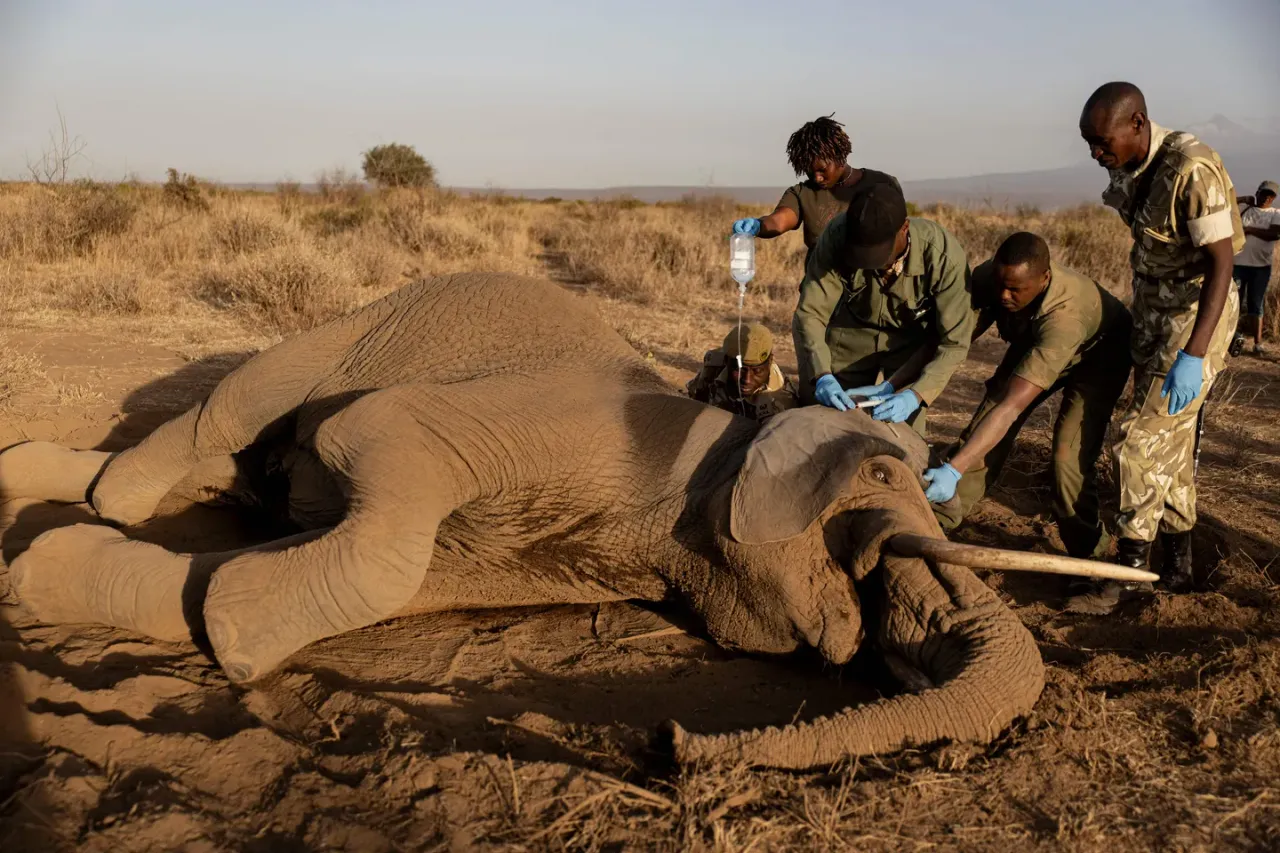
Kenyan authorities have arrested four people and recovered toxic chemicals as investigations into suspected cyanide poisoning of elephants in the Amboseli ecosystem intensified, with the number of elephants reported dead rising to 18.
Tourism and Wildlife Cabinet Secretary Rebecca Miano said the four were being treated as persons of interest, while investigators are pursuing another individual believed to have information relevant to the case.
A search in Tikondo, Kimana, about 214 kilometers (133 miles) southeast of the capital Nairobi, led investigators to potentially toxic and unlabeled chemicals believed to have originated from a neighboring country. The materials were seized for scientific examination.
"The Government is deeply concerned by the reported deaths of 18 elephants within the Amboseli ecosystem," Miano said in a statement.
Preliminary findings point to possible cyanide poisoning after the elephants ingested pesticide-contaminated tomatoes sourced from farms bordering wildlife habitats, according to the minister. Further scientific tests are underway before authorities make a final determination.
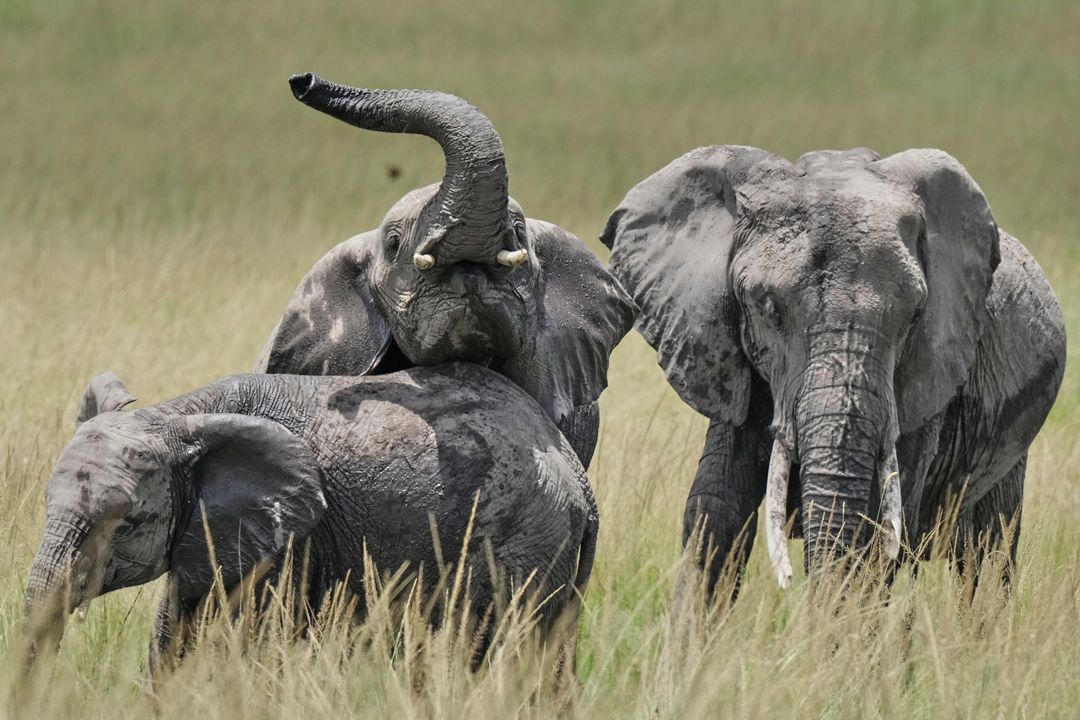








Death toll rises
The death toll is up from 16 reported by Miano when she was questioned by lawmakers in parliament Wednesday evening about the fatalities and why elephants appeared to be particularly affected.
The first 15 deaths were recorded between June 24 and July 24, prompting the Kenya Wildlife Service (KWS) and other agencies to intensify laboratory testing, environmental sampling and security investigations.
The Amboseli ecosystem in southern Kenya is internationally renowned for its elephants and is one of the country's most important wildlife tourism areas.
Authorities are strengthening surveillance, intelligence gathering and monitoring of hazardous substances that could threaten wildlife, people and the environment.
Miano said anyone found to have unlawfully killed, poisoned or harmed wildlife would be prosecuted as investigations continue to establish how the elephants were exposed.