 Kennedy Chileshe
As Africans, there is a question we need to begin asking ourselves more seriously: what would happen if one day the countries that manufacture many of the things we depend on decided they could no longer supply them to us?
This is not a question about blaming the West, the East or anyone else.
Africa needs the world, and the world needs Africa. Our future should be built on trade, partnerships, investment, technology transfer and cooperation with everyone.
But cooperation should not become permanent dependence.For too long, we have become very comfortable being consumers. We buy smartphones, machinery, medicines, vehicles, industrial equipment, software and many other products made elsewhere.
We admire the technology, but rarely stop to ask: what would it take for an African company to design it, manufacture it and sell it to the world?
That mindset must change. Africa has the people, natural resources and growing markets to become much more than a supplier of raw materials and a consumer of finished products.
What we need is greater productivity, stronger skills, innovation and the courage to build.The evidence is already telling us where the opportunity lies.
Building resilience
UN Trade and Development has warned that African economies remain vulnerable because of dependence on commodity exports, external markets and imported inputs.
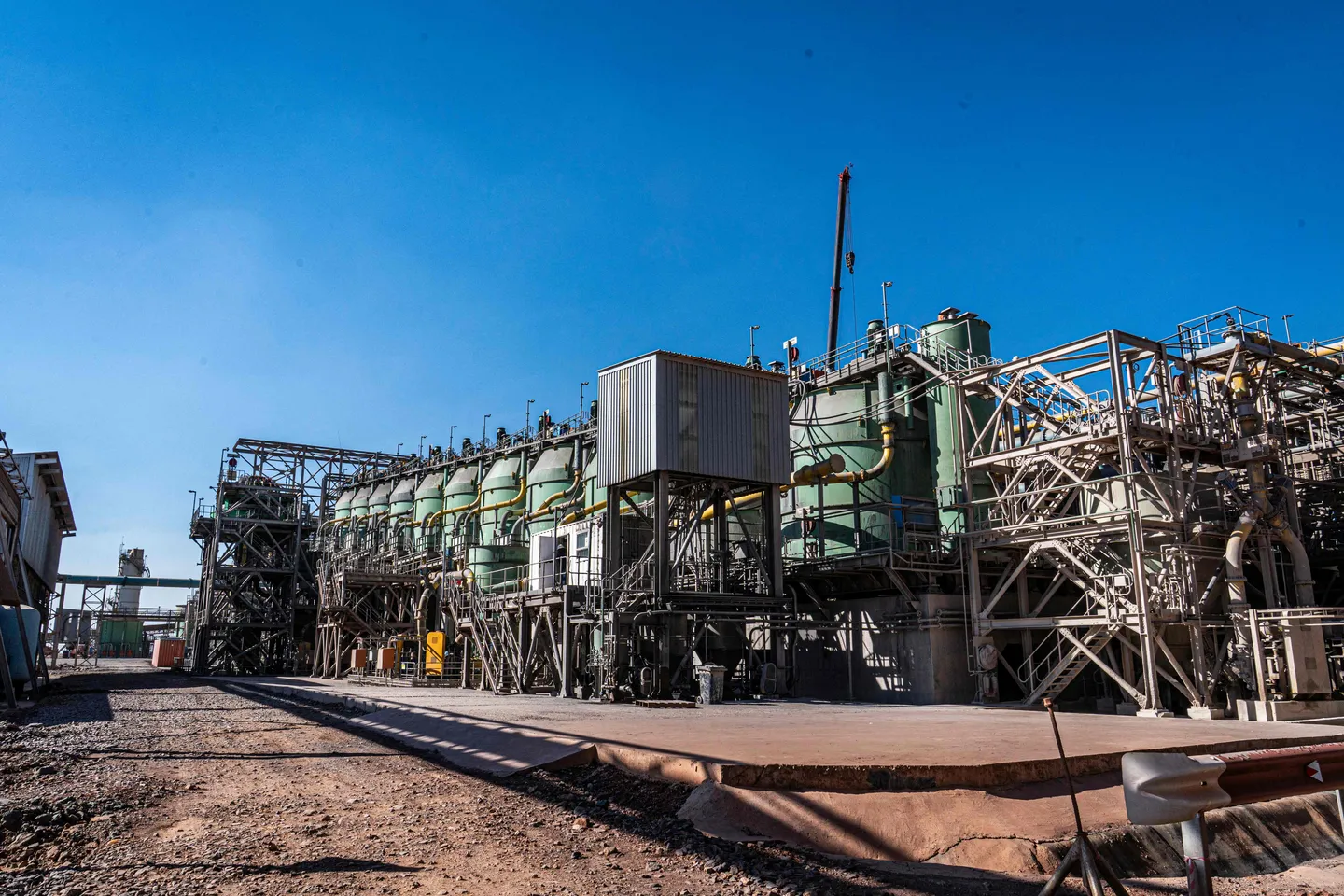
At the same time, it points to the continent's young population, natural resources and expanding markets as enormous opportunities if Africa strengthens its productive capacity and regional trade.
The African Continental Free Trade Area gives us an extraordinary opportunity to change the equation.
Instead of 54 countries largely thinking about their individual markets, Africa can increasingly become one large market in which a product designed in Zambia can be manufactured using components from Kenya, financed from South Africa, powered by African energy and sold across the continent.
This is how we build resilience. We should not simply ask, "Where can we import this?" We should increasingly ask, "Can we produce this competitively in Africa?"
That does not mean Africa must manufacture everything. No continent can or should do everything alone. The objective is smarter economic interdependence, producing what we have the capability and potential to produce, importing what makes economic sense, and building the skills and technologies that allow us to move higher up global value chains.
The Zambia example






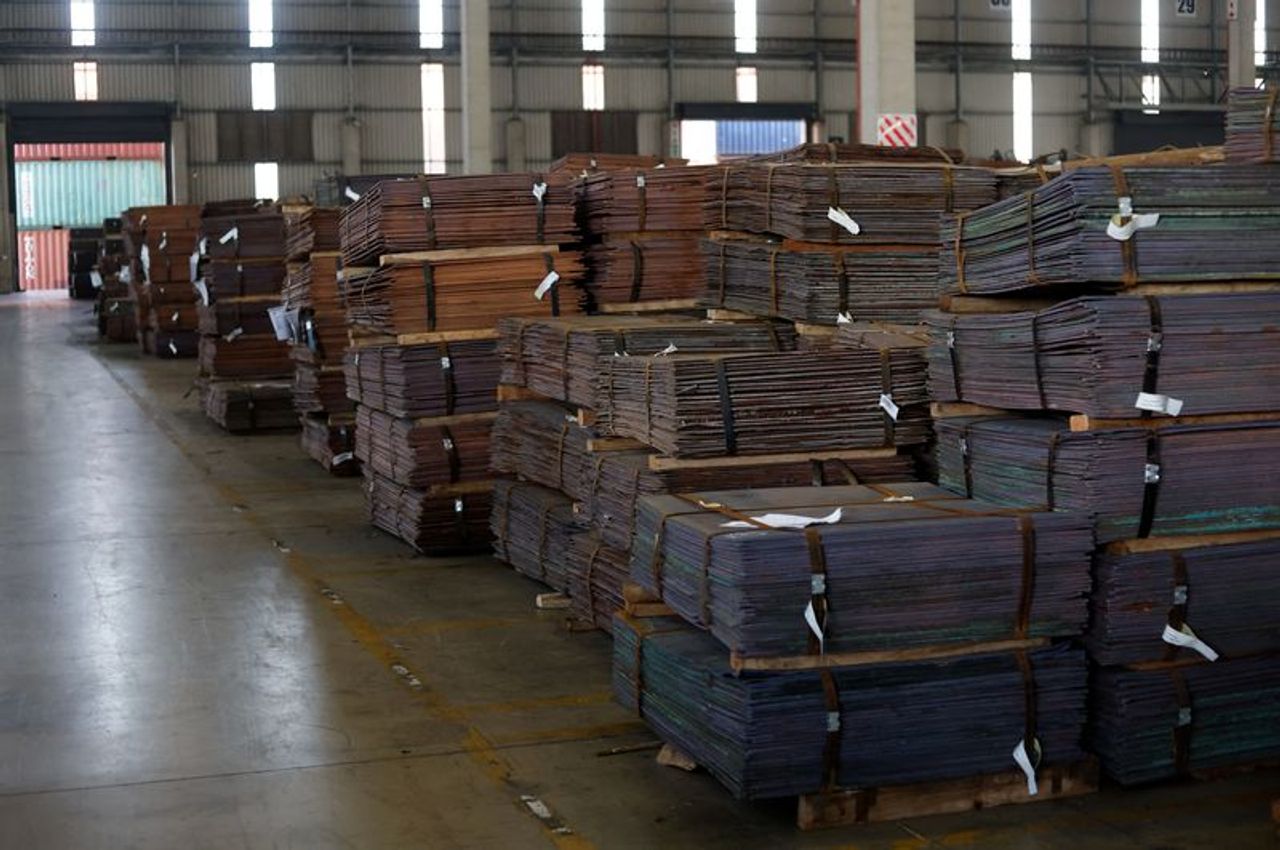
Consider Zambia. We have copper, but the opportunity is bigger than copper mining. A 2026 UNCTAD assessment identified more than 400 products across 25 sectors into which Zambia could realistically diversify, including dozens connected to energy-transition minerals.
The central opportunity is to move from simply extracting resources to creating more businesses, skills, technologies and products around those resources. That is what Grow Zambia should mean to the young Zambian.
It should mean an economy where agriculture is not only about producing maize, soya or wheat, but also processing, packaging, manufacturing equipment and developing technologies around agriculture.
It should mean that copper is not only exported as a mineral, but increasingly becomes an opportunity for cables, electrical equipment, components and other industries. It should mean that our energy potential powers factories, farms, mines, businesses and digital industries.
It should mean that a young person with an idea is encouraged to become a producer, entrepreneur, engineer, scientist, farmer, technician, programmer or manufacturer — not only a job seeker. And this requires a different approach to education. Africa does not simply need more certificates. We need skills that solve problems.
The World Bank notes that industry-aligned technical and vocational training can improve employment, productivity and entrepreneurship, while Zambia's own copper opportunity will require stronger engineering, research and technology capabilities.
Fixing the mindset
The future will belong to countries that can learn quickly, adapt quickly and produce competitively.
Artificial intelligence, renewable energy, biotechnology, advanced agriculture, digital finance, robotics and modern manufacturing are not only technologies for Europe, America or Asia. They are opportunities for African young people.
Our challenge is therefore not simply to consume the future. We must build it. Let us learn from the world without becoming permanently dependent on it. Let us welcome investors without surrendering our ambition. Let us export our minerals, but also build industries around them.
Let us use foreign technology, but develop our own capabilities. Let us work with the world while becoming increasingly capable of standing strongly within it. Africa's greatest resource is not only what lies beneath our soil. It is what exists between the ears of our young people.
The question is no longer whether Africa can build. The question is whether we have the courage, discipline and mindset to start building at scale. That is the spirit of Grow Zambia. That is the mindset Africa needs.
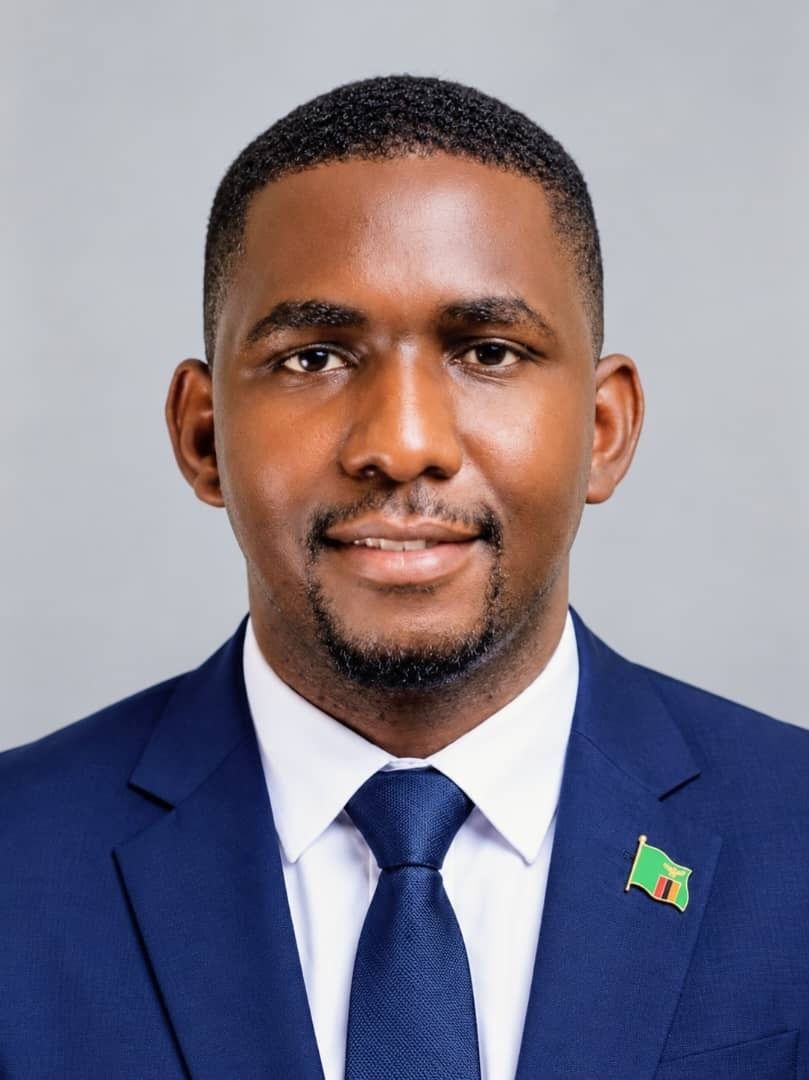
The author, Kennedy Chileshe, is the Executive Director of Jubilee Leaders Network in Zambia.
Disclaimer: The views expressed by the author do not necessarily reflect the opinions, viewpoints and editorial policy of TRT Afrika.