 Sare Şanlı
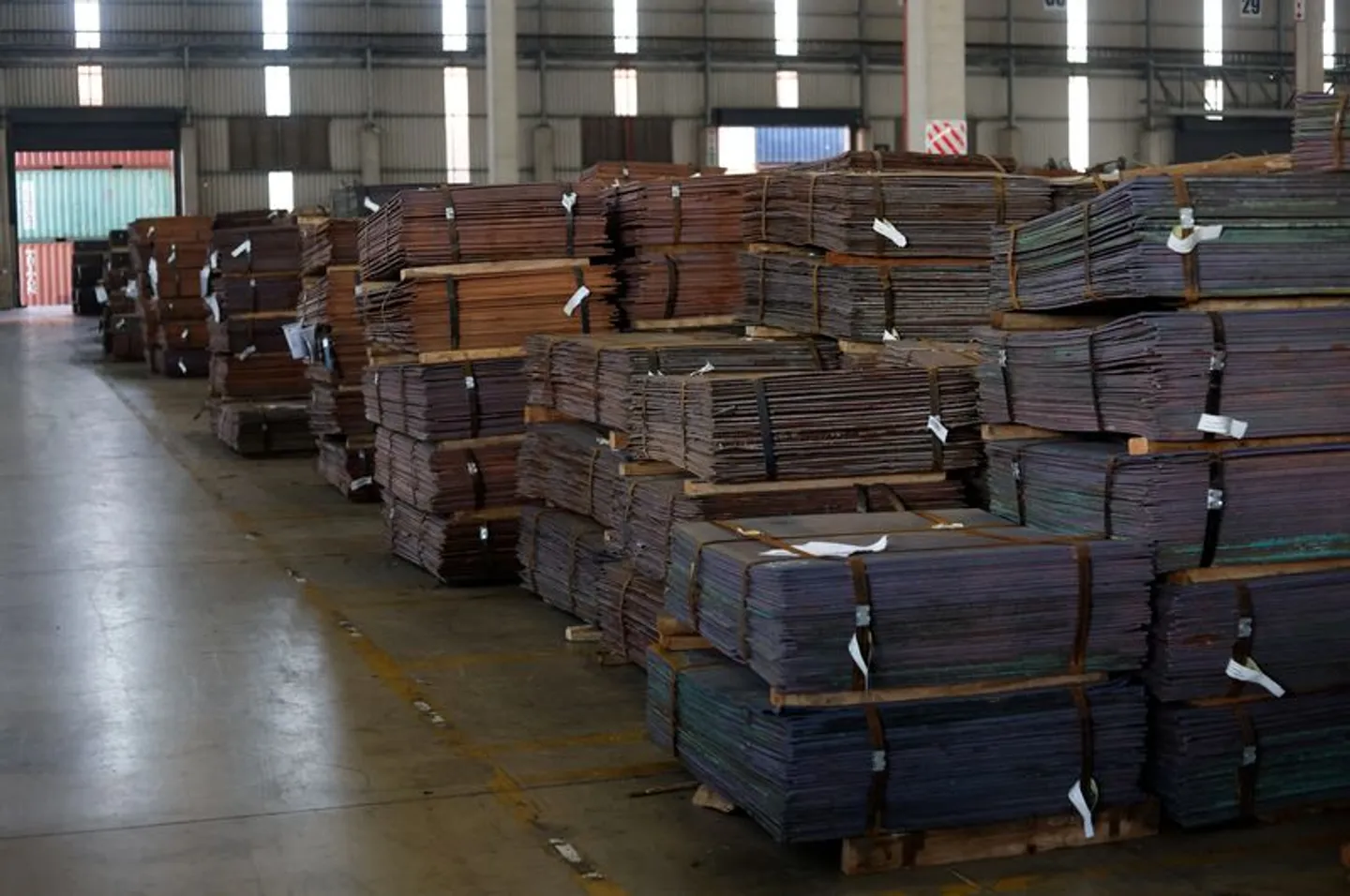
We are living in an era where copper has become the new oil. As the world races toward a green transition, from electric vehicles to renewable energy grids, the red metal is quietly becoming the indispensable backbone of the global technological revolution.
Every electric vehicle requires two to three times more copper than a standard car. The World Bank forecasts that global copper demand will surge by nearly 50 percent in the coming decades. Chinese billionaire Bian Ximing recently bet nearly $1 billion on copper, calling it the “metal of the future.”
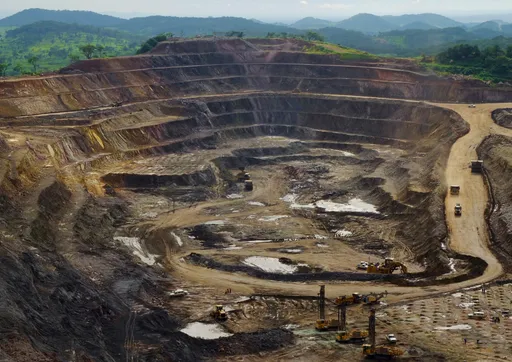
Across continents, multinational companies are scrambling to discover new copper reserves signalling that the next great resource struggle may well be a “copper war” fought in the name of clean energy. And beneath Zambia’s red soil lies a significant share of that future.
The Blessing and the Curse of the Copperbelt
Zambia is Africa’s second-largest copper producer, after the Democratic Republic of Congo (DRC) owes much of its fate to its geographical location The Copperbelt region is one of the richest mineral zones on Earth.
Since independence, Zambia’s economy has been tethered to copper, but as with many resource-rich nations, its bounty has carried both opportunity and a heavy price.
In the DRC, minerals are pulled from the ground through chaos and conflict. Across the border in Zambia, the digging is quieter, but the inequality is the same.
Last year, KoBold Metals, a U.S.-based company backed by AI-driven exploration and funded by billionaires like Bill Gates and Jeff Bezos, announced the discovery of a colossal copper reserve on the Zambian-Congolese border. Its president, Josh Goldman, called the Mingomba site “extraordinary.”
Ironically, this new deposit was found using artificial intelligence trained with data derived from copper itself, a perfect metaphor for how the future loops back to depend on Zambia’s natural wealth.
The Kaunda Legacy
When Zambia gained independence in 1964, its first president, Kenneth Kaunda, was a Pan-Africanist who sought to prove that an African state could chart its own course.
In 1969, through his “Zambianization” policy, he nationalized the copper mines, a bold move at a time when much of the continent was still beholden to foreign corporations.
The results were initially impressive: education expanded, healthcare improved, and the economy flourished. However, Kaunda’s vision, while idealistic and sincere, underestimated the limits of a state-led system deeply dependent on one commodity.
As copper prices collapsed in the 1970s, inefficiency, corruption, and global market pressures converged. The IMF and World Bank reasserted control through “rescue” loans, which seem to strip the country of economic sovereignty.
Kaunda’s legacy remains complex, neither a simple tale of failure nor triumph. He achieved political independence and inspired continental pride, but his economic experiment was crushed by structural realities he could not escape.
In the wave of A New Scramble for Africa
Half a century later, Zambia finds itself weathering a familiar storm. The effort to shield the sector from foreign exploitation has, in many ways, come full circle. Only that this time, the flags have been replaced by corporate logos.
Today, Zambia’s most crucial mines are dominated by giants such as Glencore, Barrick Gold, First Quantum Minerals, and the new player KoBold Metals.
Although the government’s “business-friendly” stance is often praised by Western institutions, it does not always serve ordinary Zambians. Deals are perceived as tax holidays for corporations as the 2020 Kansanshi deal, which heavily favoured the company.






The new battle is also over logistics: the U.S. and EU-backed Lobito Corridor railway aims to transport Zambian and Congolese copper to the Angolan coast, directly challenging China’s dominance.
For Zambia, it’s a double-edged sword, it could cut transport costs, but unless the country insists on local processing and industry along the route, it risks becoming a mere conduit once again.
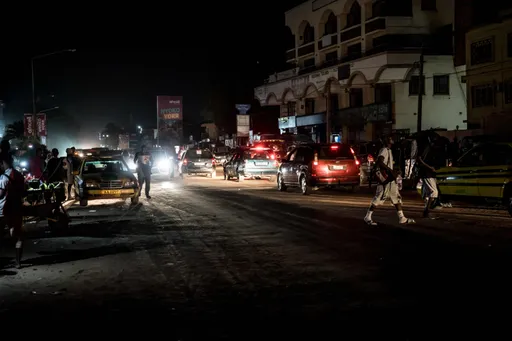
It appears that this partnership is a polished continuation of economic colonialism, now dressed in the language of sustainability. While the world congratulates itself for “going green,” Zambia’s copper powers global technology while its own people live without stable electricity.

Political Stability, Economic Vulnerability
Unlike its neighbours Zambia has enjoyed remarkable political stability since independence. Thanks to Kaunda’s “One Zambia, One Nation” philosophy, the country has avoided the ethnic and religious conflicts that have torn much of the region apart.
Peace has been Zambia’s greatest gift but also its quietest trap.
The peace Kaunda built has become a convenient backdrop for economic plunder. While Western and Chinese corporations profit, Zambia remains trapped in low wages, weak environmental protections, and raw material dependency.
This vulnerability was brutally exposed in 2020 when Zambia defaulted on its sovereign debt, the first African country to do so during the pandemic.
The roots of that crisis lie not just in debt mismanagement but in the failure to convert mineral wealth into lasting prosperity. Ironically, Zambia’s copper, which fuels global progress, could not save Zambia itself.
From Raw Material to Real Value
Zambia now stands at a crossroads with a new opportunity to choose a different path. The Kaunda era ultimately demonstrates a painful paradox: neither full nationalization nor total surrender to foreign capital is the answer.
Instead, Zambia must pursue a third way– strategic sovereignty. This means using its copper not just as an export commodity, but as leverage to build a diversified, resilient economy.
The goal should be to move up the value chain. While building a full domestic processing industry is a medium-term goal, Zambia can immediately mandate greater value retention by negotiating for local component manufacturing and technology transfer in its deals with foreign entities.
Revenues should be strategically channelled into a sovereign fund to invest in agriculture, technology, and education, the true foundations of lasting independence.
Critically, achieving this requires a diversified foreign policy. While engagement with Western and Chinese partners is a reality, Zambia should actively cultivate partnerships with other emerging powers.
Countries like Türkiye, which offer industrial expertise and investment under more balanced terms, can provide crucial alternatives and reduce dependency on any single power bloc.
The world’s green revolution, powered by Zambian copper, should not be allowed to slip into a new form of colonialism. Zambia’s success will be measured not by the tonnes it extracts, but by the value it retains and the prosperity it builds at home.
The nation should evolve from being a digger of resources to a designer of its own destiny, ensuring that the red soil that powers the world's future first serves the future of its own children. Only then will Kenneth Kaunda’s vision of true independence finally be fulfilled.