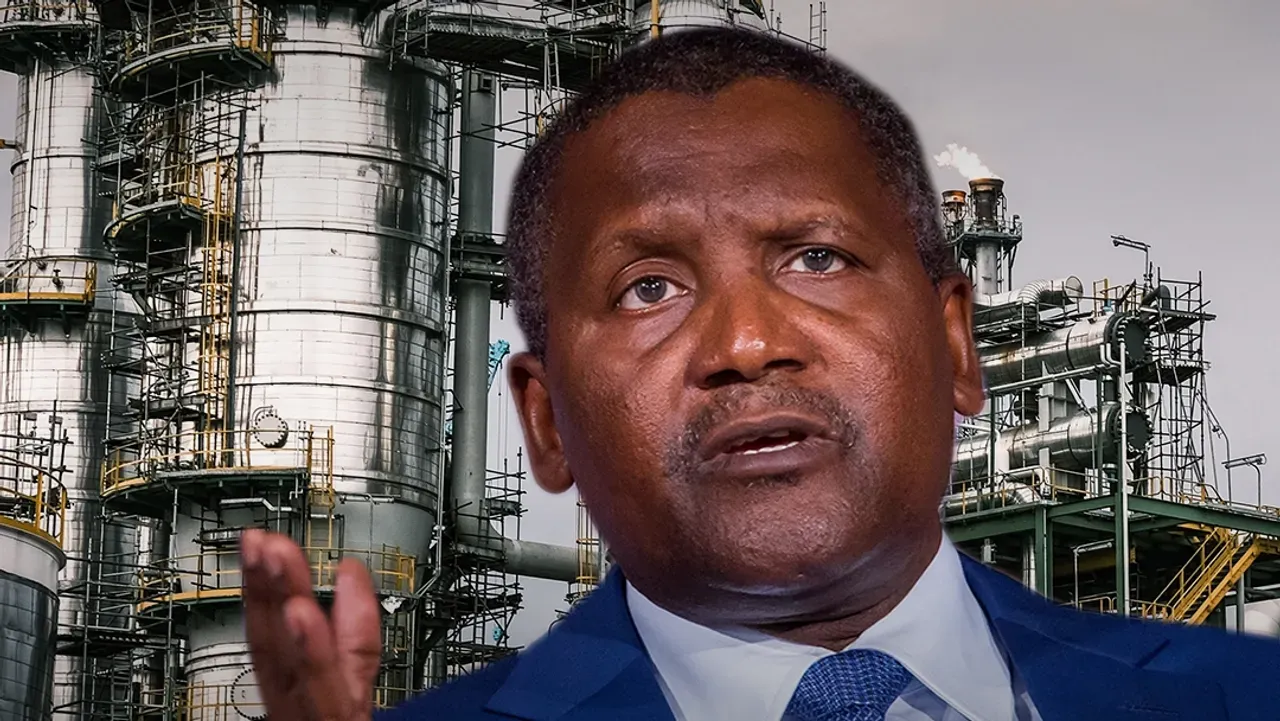
In the middle of a global energy shock, Aliko Dangote is emerging even wealthier.
In 2026 alone, Africa’s wealthiest man has added billions to his fortune, pushing his net worth beyond 34 billion dollars, according to the Bloomberg Billionaires Index. But behind the headline number lies a far more complex story—one that sits at the centre of a global energy shock.
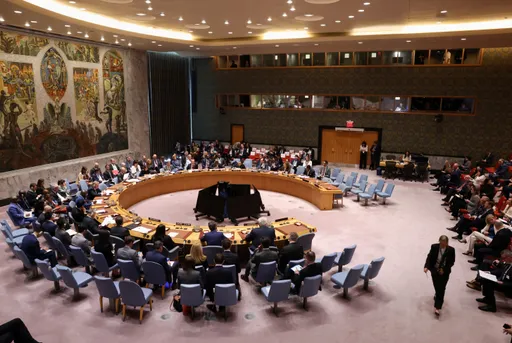
A war-driven escalation in the Middle East has tightened global fuel supply, driven up prices, and disrupted key shipping routes. At the heart of that disruption is the Strait of Hormuz, one of the world’s most critical oil arteries.
Iran’s tightening control of the strait, following U.S. and Israeli strikes that escalated the conflict, has added further strain to already fragile global energy markets.
Against this backdrop, Africa is both absorbing the shock and reshaping its response.
A refinery at the centre of a shift
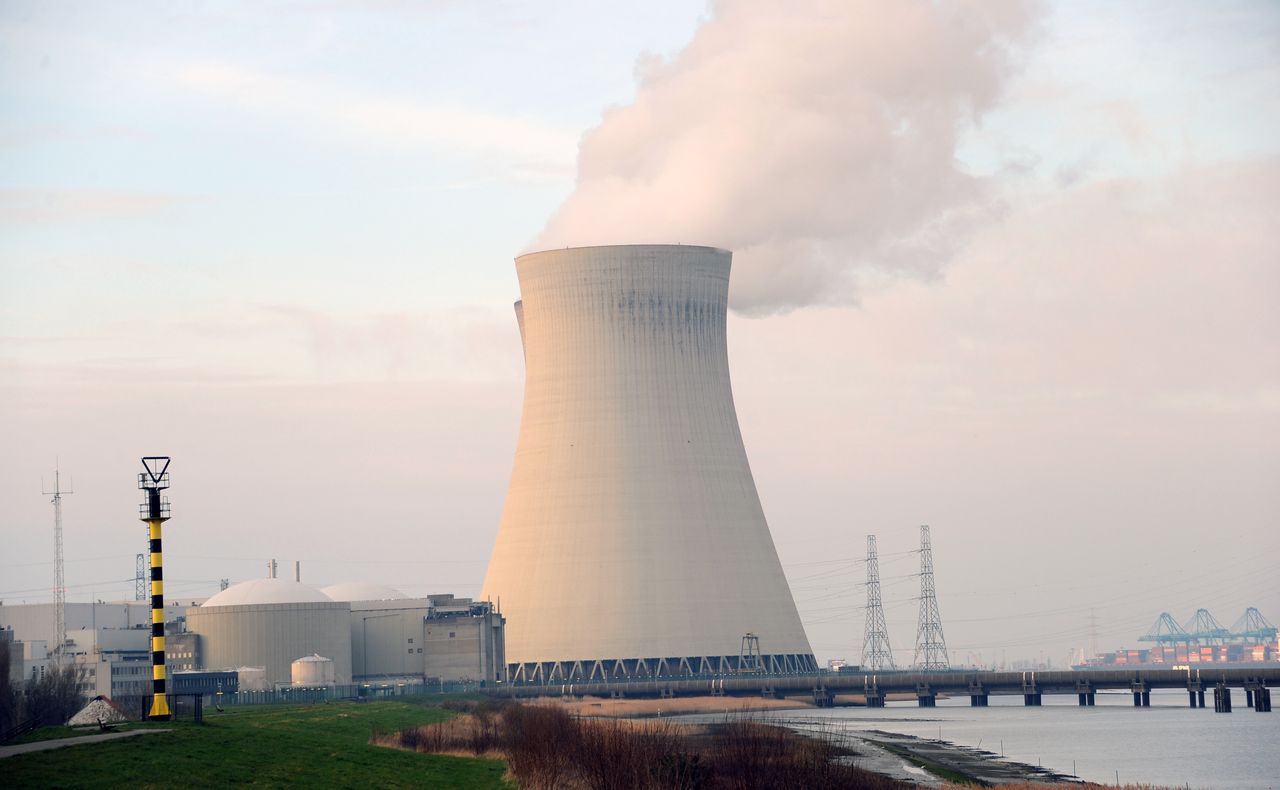
The Dangote Refinery in Nigeria has rapidly emerged as a continental energy hub—positioning itself as a key supplier of refined fuel to African markets increasingly squeezed out of volatile global supply chains.
“And as the world scrambles for energy, the Dangote Refinery is emerging as a lifeline for countries shut out of global markets.”
Built to reduce Africa’s dependence on imported fuel, the refinery is now operating at full capacity—processing 650,000 barrels per day as of February 2026.
By March, Nigeria’s clean fuel exports had more than doubled.
Cargoes are now moving across West, Central and East Africa—helping to fill a widening supply gap. Seventeen petrol shipments, totalling around 456,000 tonnes, have been delivered to countries including Côte d’Ivoire, Cameroon, Tanzania, Ghana and Togo.
The shift marks a structural change in Africa’s energy landscape: Africa slowly moving from dependence on imported refined products toward regional refining and intra-African supply chains.
Economists say the refinery’s rise carries both commercial and structural significance.
“If you look at the Dangote refinery, we can say it’s really a blessing to Nigeria and at the same time a blessing to Africa… it’s a dual benefit,” Baffa Kabiru Gwadabe of Bayero University, Kano told TRT Afrika.
The paradox at the centre
But the same forces driving expansion are also exposing its biggest constraint. The refinery’s biggest challenge is supply of crude oil.
Despite Nigeria’s vast reserves, Dangote cannot get enough of it locally. Much of the country’s oil is already tied up, locked into debt repayments and long-term export deals, with at least 1.5 million barrels set aside each day.
That shortfall forces the refinery into global markets—at the exact moment they are most volatile. That leaves Dangote scrambling.
“On volume, so right now we get an allocation of five… we could easily get 13 or more,” said David Bird, Managing Director of the refinery.
“If you look at freight rates, it could cost us about 800,000 dollars a day… that’s currently 3.5 million dollars. An incredible escalation in freight rates.”
And with daily fuel consumption estimated at 50 to 60 million litres, Nigeria remains highly exposed to global market swings despite being one of the world’s largest crude oil producers.




Gwadabe reasons that the best solution would be for the Nigerian government to “agree to trade crude oil with Dangote refinery in naira … and then also to hedge Dangote refinery” to cushion it from the volatility of the global crude oil prices.
Following subsidy removal and market deregulation, domestic prices now track global oil markets more closely—meaning international shocks are passed on more directly to consumers.
Since the Iran conflict escalated, fuel prices in Nigeria have surged by more than 50 percent.
“Everybody has to pay more… they don’t have any choice,” said a Lagos resident.
“We cannot cope… feeding is a problem… everything is a problem,” said a civil servant.
A changing energy map
Across Africa, governments are accelerating plans to build regional refining capacity and reduce reliance on imported fuel.
Kenya and Uganda are exploring a joint refinery in Tanzania as part of wider integration efforts.
“We are going to have a joint refinery in Tanga… so all our assets become profitable,” said Kenyan President William Ruto.
Dangote himself has signaled readiness to expand regional partnerships, saying: “My commitment… is that if we agree… we will lead and make sure that that refinery is built within the next four or five years.”
Expansion and Succession
Despite the constraints, expansion continues. Plans are underway to scale the refinery to 1.4 million barrels per day by 2028—potentially making it one of the largest refining complexes in the world.
At peak construction, the expansion could generate up to 95,000 skilled jobs. But alongside expansion, another transition is already taking shape.
Dangote’s three daughters are already embedded in the business, each taking on defined leadership roles.
Halima Dangote serves as an executive director, focusing on strategy and operations. Mariyah Dangote oversees governance and helps reinforce the group’s institutional backbone. Fatima Dangote brings a younger-generation perspective to the conglomerate.
They are not waiting in the wings, they are stepping in now, preparing to lead an empire built on cement, sugar, and now fuel—at the centre of a global energy crisis.
For now, Aliko Dangote remains in command—riding a wave of global fuel disruption and rising demand.
But the future of this empire is already taking shape. Not just in barrels and billions, but in the hands of those who will have to navigate what comes next.