Nigeria's Dangote mega-refinery pledged on Monday to prioritise the domestic market to help prevent fuel shortages and limit the impact on prices of the war in the Middle East.
It warned, however, that this hinged on government support and Dangote could not rule out further price hikes.
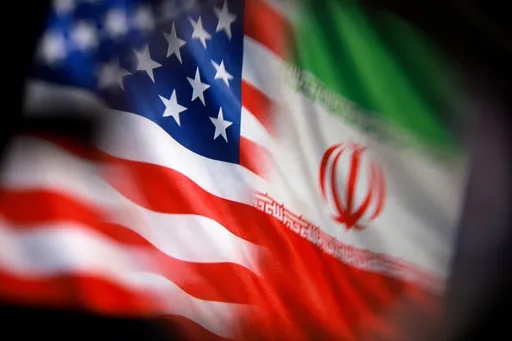
Fuel prices in the West African country have already risen by around 20% in the space of a week, following US and Israeli strikes on Iran and the latter's subsequent retaliation.
Supply disruptions from the Middle East war sent benchmark crude prices above $100 a barrel on Monday, causing world stock markets to plummet and raising fears of shortages.
Caveat
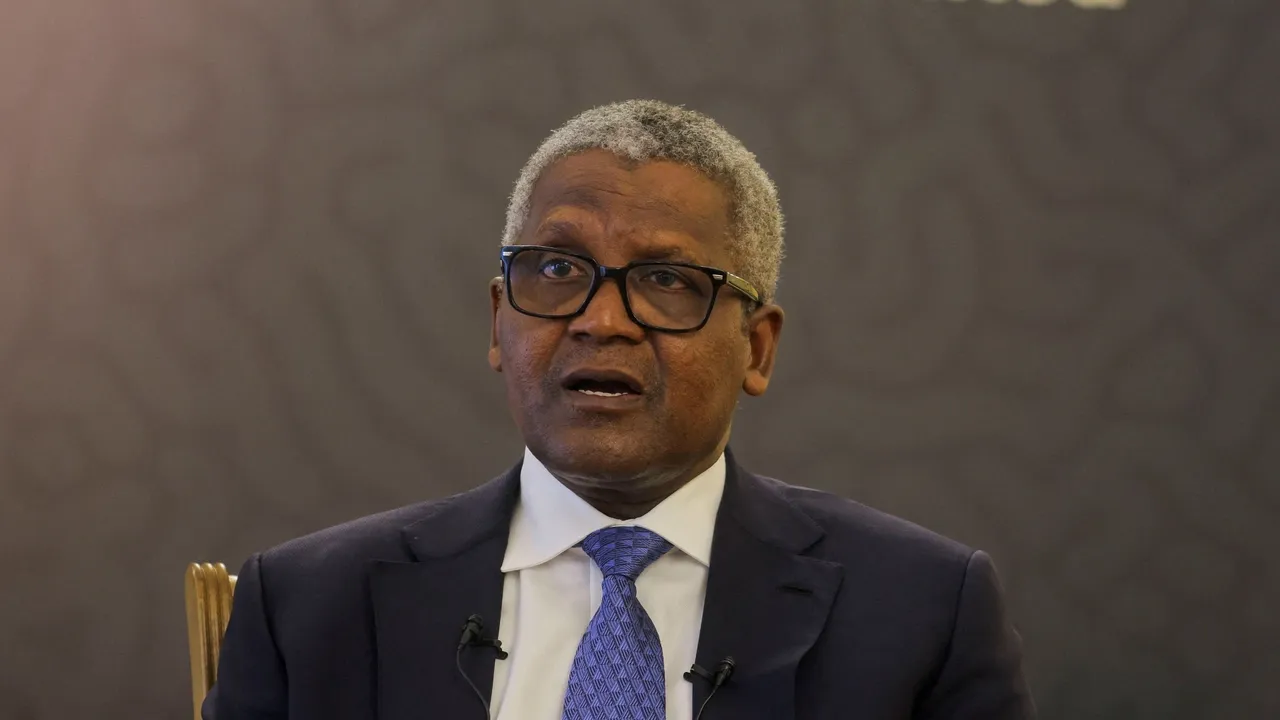
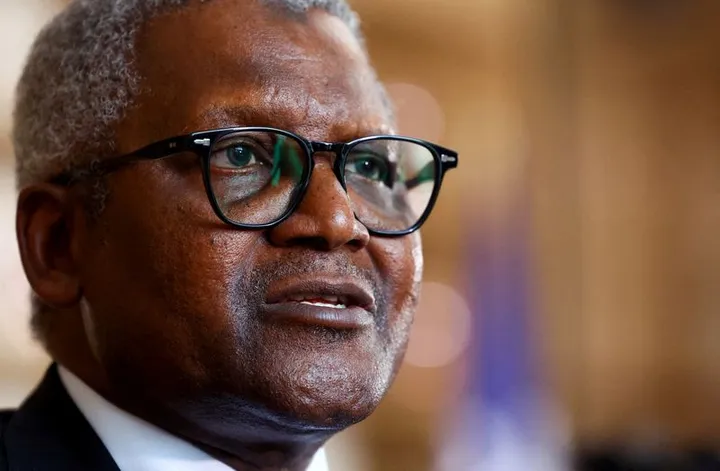
Dangote refinery – which is owned by Africa's richest man, Aliko Dangote – has a current capacity of 650,000 barrels per day and covers the fuel needs of Nigeria, Africa's leading oil producer.
Before the Dangote refinery opened in 2024, Nigeria had to import almost all its fuel.
"Nigeria will continue to enjoy supply security," the refinery's managing director, David Bird, told a press conference in Lagos on Monday. He issued a caveat, however.
"Provided we continue to get access to Nigerian crude with the support of the Nigerian government and NNPC – albeit at internationally benchmarked prices – we will continue to process that oil and serve the domestic market with priority," he said.



International commodity market
The Nigerian National Petroleum Company (NNPC) is fully owned by the government.
Bird said he could not guarantee there would be no further price increases, given that Dangote, a private enterprise, was "fully exposed to the international commodity market."
The global increase in crude oil prices, transport costs and insurance costs had weighed heavily on Dangote's expenses, he said.
He said any move to stabilise the market had to come from the government.
Petrol price increases in Nigeria
"That is the role of government if they want to intervene in the economy when it comes to the cost of energy," he stressed.
The price of petrol in Nigeria rose this week from 830 naira a litre in Lagos to 1,050 naira ($0.59 to $0.75), a record high.