 Sare Şanlı
Old age often feels like a distant possibility, a fate reserved for others—until the first grey hair appears in the mirror or an unfamiliar ache settles in the joints. At that moment, ageing ceases to be a theory and becomes a stage of life for which one must prepare.
Today, Africa is looking into that very mirror.
The once celebrated "world’s youngest continent"is on the brink of a silent but profound transformation. The continent is ageing, but it is doing so without the safety nets of wealth, established social states, or robust pension and care systems.
While birth rates remain relatively high, Sub-Saharan Africa is no longer immune to the global demographic shift. By 2030, one in six people worldwide will be aged 60 or over; Africa remains one of the regions least prepared for this reality.
The crisis is not ageing itself, but ageing amid a development journey where GDP per capita often struggles to cross the $2,000 threshold. In much of the continent, pension systems are either non-existent or exclusionary. The elderly rely almost entirely on family support, as state-funded long-term care is nearly a myth.
Furthermore, healthcare infrastructures remain geared toward acute crises rather than the chronic complexities of geriatric care.
Africa and the old age question
For millions in rural areas, old age does not signal retirement; it signals the end of a regular income. As physical capacity wanes, stopping work is rarely an option. Survival, not rest, becomes the primary objective.
The fragility of this situation is deepened by the absence of institutional care. Nursing homes are not only physically scarce but are often culturally stigmatised as symbols of abandonment.
While such institutions are debated in the West, in Africa, they are frequently not even an option. When the family structure dissolves, there is no safety net to catch the falling individual.
Burning Libraries and Fading Contracts
The famous Malian thinker Amadou Hampâté Bâ once said: "In Africa, whenever an elder dies, a library burns down."
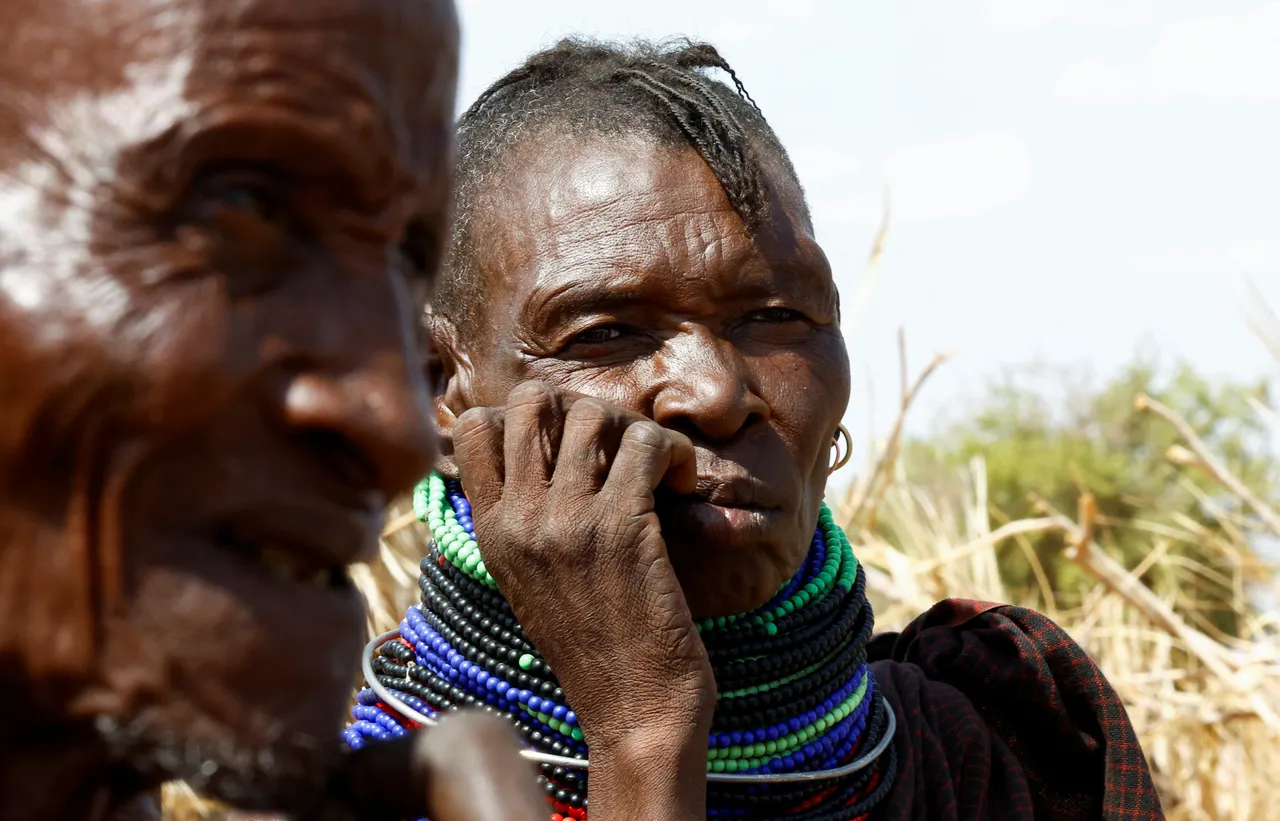
In African societies, the elderly are more than just individuals in need of care; they are the custodians of agricultural wisdom, oral history, and local conflict resolution. They act as mediators and provide invisible social security by caring for grandchildren, enabling younger parents to work.







Yet, this implicit "intergenerational contract" is fraying. Rapid urbanisation and emigration might beoffering economic growth but are fast erodingd the centuries-old traditional solidarity. As the youth migrate to megacities or overseas in search of education and work, the elderly are left behind in rural areas—isolated and burdened by a lack of institutional support.
The Debt of Care
In her seminal work, Intergenerational Support and Old Age in Africa, Isabella Aboderin argues that elderly care is shifting from a purely moral duty to a framework of "material reciprocity."
She posits that a young person’s migration or education is often an upfront investment funded by the elders' savings. In these cases, support in old age is viewed less as a bond of love and more as a quid pro quo as a tacit social contract. If a family cannot make that initial "investment," the risk of abandonment in old age rises dramatically.
This erosion of traditional support systems does not merely leave the elderly isolated; it often forces them into roles they are physically ill-equipped to handle.
This structural shift has led to the rise of "skipped-generation households," where the elderly are no longer just sages, but the primary caregivers for grandchildren in the absence of the middle generation.
They find themselves struggling with their own vulnerabilities while simultaneously serving as the final pillar of an increasingly collapsing social system.
The African Path Forward
There is no universal blueprint for Africa’s ageing crisis. Perhaps that is the point. The continent’s response does not need to replicate the delayed and flawed Western models.
Instead, Africa’s history of "leapfrogging"—moving straight to mobile banking without traditional bank branches, or digital communication without landlines—suggests a capacity for unique solutions.
To meet the challenge of elderly care, the continent should move beyond viewing it only as a family moral obligation or a state responsibility. Embracing the "Ubuntu" philosophy—the inherent interconnectedness of the community—offers a foundation for reimagining ageing.
By leveraging existing community networks and neighbourhood structures, a distinctly African model of shared caregiving can emerge. The continent is undergoing a rapid, messy, yet highly creative transformation.
The question is not simply "What should Africa do?" but rather: How can Africa address ageing on its own terms by creating solutions that align with its realities and aspirations?