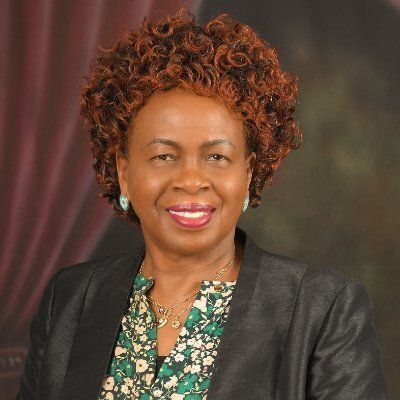
 Monique Wasunna
Imagine waking up one morning with a headache, fever, chills, and aching joints. These symptoms mimic malaria, and in many parts of Africa, you might immediately start taking anti-malarials. But this time, the symptoms don’t go away. Soon, your sleep begins to fragment. At night, you cannot sleep at all.
During the day, you battle overwhelming sleepiness and slip into brief bouts of dozing mid-conversation. Then the condition worsens: you become unusually talkative and confused. Bursts of exaggerated laughter, periods of aggression, and even seizures follow.
By this stage, many around you may assume you are mentally unwell. Eventually, without treatment, you slip into a coma and die.
This is sleeping sickness. And more precisely, its most common form, caused by Trypanosoma brucei gambiense, which accounts for over 95% of all cases.
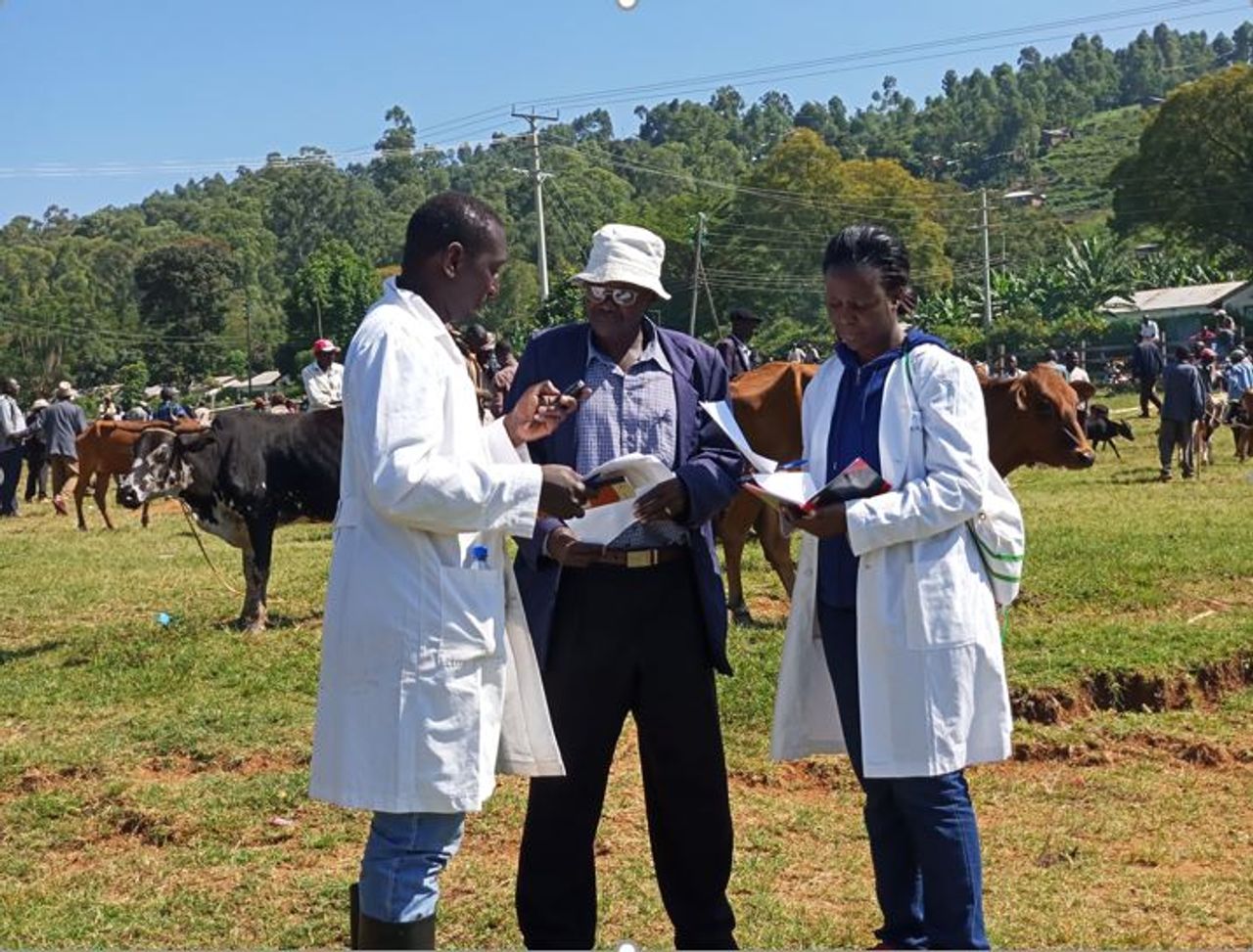
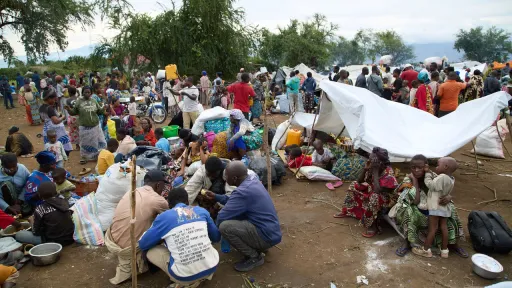
For generations, it has been a lived reality for thousands of families in West and Central Africa, particularly in the Democratic Republic of Congo, a country that today is working to eliminate sleeping sickness even as it continues to respond to Ebola outbreaks.
Transmitted by the bite of the tsetse fly, it killed millions in the last century, and at its most recent peak in the 1990s caused over 40,000 reported cases each year, with an estimated 300,000 additional infections going undiagnosed.
Until 2008, the only treatment option for the last stage of sleeping sickness was melarsoprol, an arsenic-based compound so agonizingly painful that patients described it as fire in the veins. It was so toxic that it killed one in every twenty people who received it.
Doctors faced an impossible choice: risk death from the treatment, or from the disease.
Safer, simpler treatments
I have spent over 30 years working as a medical doctor and researcher to replace toxic, ineffective, inaccessible treatments for neglected patients with safer, effective, simpler alternatives.
The urgent need for safe treatments against sleeping sickness was one of the reasons my organization, the Drugs for Neglected Diseases initiative (DNDi), was founded in 2003 by Doctors Without Borders, Kenya Medical Research Institute (KEMRI), and other partners.
Since then, we have worked with many partners – alongside health ministries, universities, research institutions, pharmaceutical companies, and global donors to deliver safe and effective treatments.
Progress came step by step. In 2009, in partnership with Médecins Sans Frontières (MSF), we developed NECT, an injectable combination therapy that replaced melarsoprol for the second-stage of the disease. In 2018, together with Sanofi, we developed fexinidazole, the first fully oral treatment for sleeping sickness. These treatments contributed to a dramatic fall in cases.
Today, fewer than 1,000 cases are reported globally each year. But both treatments still require close supervision and multi-day treatment courses. The burden is smaller but not gone.
Then, on 12th June 2026, DRC approved the use of acoziborole, a single oral dose that treats sleeping sickness regardless of disease stage. External experts agree on its significance. Medicinal chemist Derek Lowe wrote in Science that it may be “the best weapon yet against sleeping sickness.”
This is the result of decades of work. Acoziborole was selected as a pre‑clinical candidate in late 2009. Clinical development began in 2012, with Phase I trials completed in 2015 and pivotal Phase II/III studies conducted from 2016 to 2020 in the DRC and Guinea.
These efforts, combined with years of additional studies and regulatory preparation with Sanofi, culminated in the positive scientific opinion issued by the European Medicines Agency in February 2026.

Gamechanger







I can say with confidence: acoziborole is not just another incremental step. It is a gamechanger that could lead to the elimination of sleeping sickness from Africa.
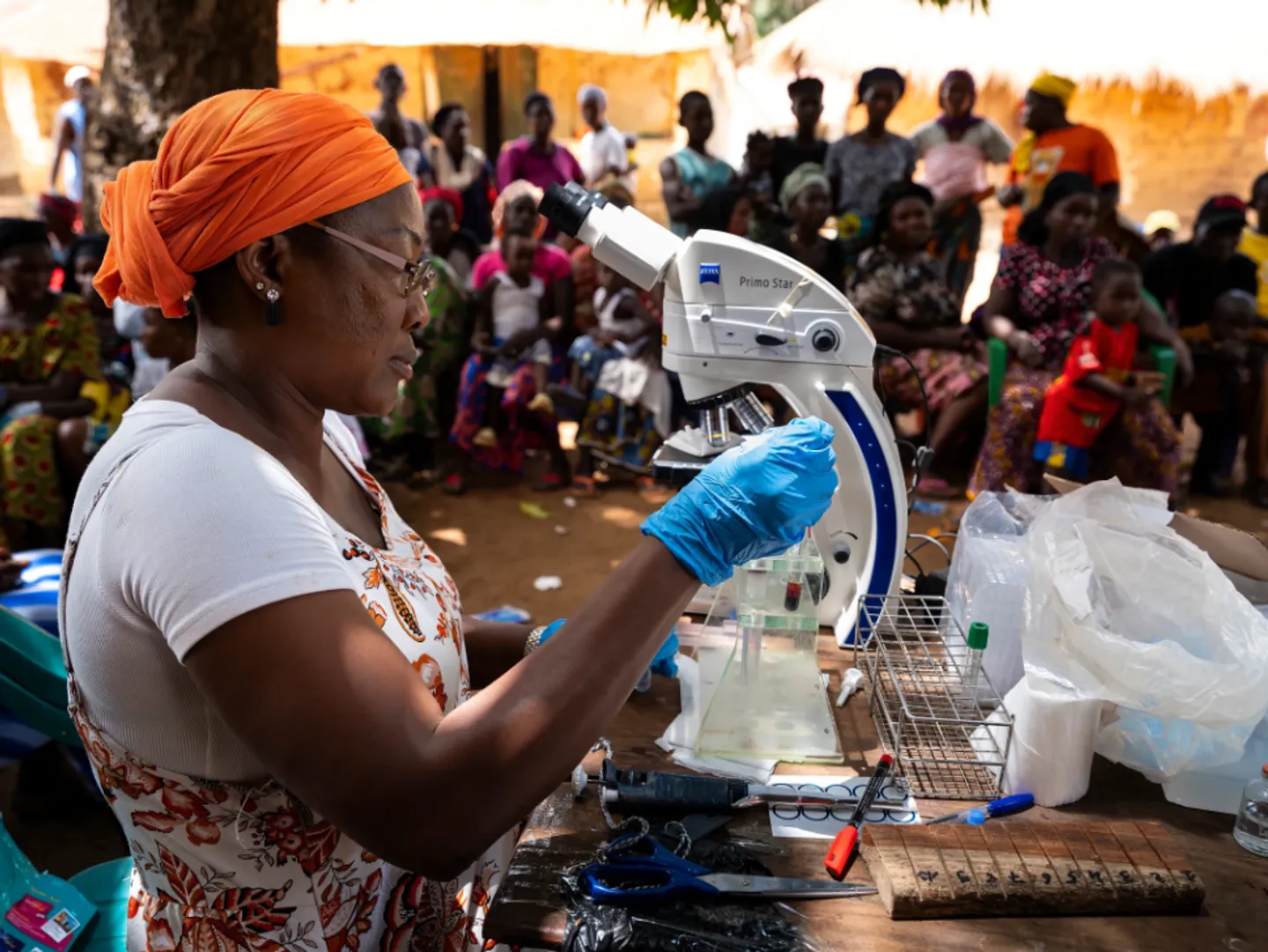
First, it works across both stages of the disease, eliminating the single biggest diagnostic barrier. Until now, doctors needed to determine whether the parasite had crossed the blood-brain barrier to reach the patient's central nervous system before prescribing treatment.
This often required a lumbar puncture, a needle inserted into the spinal canal to draw cerebrospinal fluid. It is a painful, high‑risk procedure that can only be performed by trained medical staff using equipment rarely available in remote endemic areas.
Acoziborole treats both early and advanced stages, removing the need for lumbar punctures altogether, and with it, one of the greatest obstacles to timely diagnosis and treatment.
Secondly, and perhaps most significantly, acoziborole opens the door to a simpler, more flexible model of care: a true test-and-treat approach, which has long been out of reach for sleeping sickness.
Researchers are now exploring whether screening teams can go into a village, test everyone with a rapid diagnostic test, and treat anyone who tests positive and is eligible on the spot.
An ongoing study called StrogHAT is already evaluating this in the field with partners. Because human beings are the main reservoir for this form of the disease, a model that can reach people wherever they are is precisely what elimination requires.
Thirdly, the drug could be given to all ages. Our clinical trials showed a strong benefit-risk profile in adults and adolescents, and an ongoing trial in DRC and Guinea is evaluating acoziborole in children aged one to fourteen, with results expected in late 2026.
In communities where sleeping sickness strikes entire families, a single-dose treatment that is safe for everyone will close one of the most persistent gaps in care.
In the coming months, we expect the World Health Organization (WHO) to add the new medicine to its sleeping sickness treatment guidelines. Sanofi has committed to donating acoziborole to WHO through its philanthropic arm, ensuring it reaches patients free of charge. These are significant steps. But they are not the finish line.
Finish line
Those of us who are working on neglected diseases know that progress is never linear. Sleeping sickness has been pushed back before, and the world has looked away; only to see it return.
In the 1960s, sustained control efforts brought case numbers down so dramatically that funding dried up and programmes wound down. By the 1990s, the disease had resurged to epidemic levels, killing thousands of people who should never have been at risk. We cannot afford to repeat that history.
As cases fall toward zero, the temptation will be to declare victory and move on. We must resist that. The remote communities where the disease lingers in pockets must not be forgotten simply because the numbers are small.
And the researchers, health workers, and national control programmes who have driven this progress must be supported to stay on course.
The ongoing Ebola outbreak in DRC is a sobering reminder that disease-specific victories mean little without the systems to sustain them. The surveillance systems, research investments, and community trust needed to eliminate sleeping sickness are many of the same foundations that protect us from Ebola and other emerging threats.
The WHO has set a target of eliminating sleeping sickness as a public health problem by 2030. With acoziborole, I believe we can get there. But elimination requires as much vigilance as it does innovation.
Disclaimer: The views expressed by the author do not necessarily reflect the opinions, viewpoints and editorial policies of TRT Afrika.