 Pauline Odhiambo
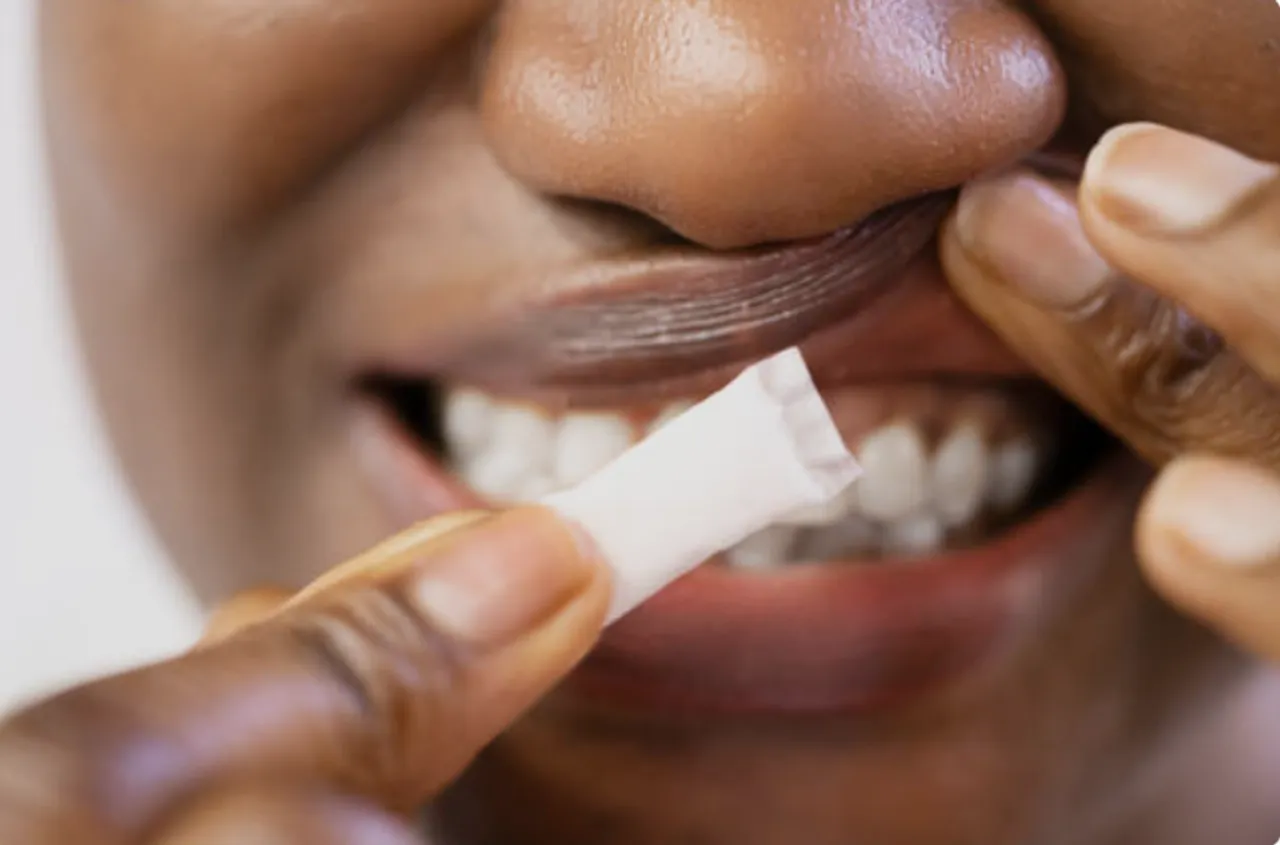
The first time sixteen-year-old Madalitso Phiri* slipped a small white sachet between her gum and upper lip, she was sitting in the back of a classroom at her secondary school in Lilongwe. A classmate had passed it to her folded inside a piece of notebook paper, whispering that it was "just something to help you focus" before exams.
Madalitso, who dreams of becoming a nurse, had never smoked a cigarette in her life. Her father died from a smoking-related lung disease when she was eleven, and the memory of his rasping cough still echoes in their small home.
But this was different. The pouch tasted of sweet mint and bubble gum. There was no smoke, no smell, no telltale ash. Within minutes, a warm buzz spread through her temples. She felt alert, almost euphoric.
That was six months ago. Today, Madalitso uses at least eight pouches a day. Between classes, she excuses herself to the latrine to slip in a fresh one. At night, she lies awake craving the next dose. The cost has drained the money her mother sends for lunch. Her grades have slipped.
‘Candy’ flavourings
"I didn't know something so small could hold me like this," she tells TRT Afrika, twisting her hands in her lap. "It felt like candy. Now it feels like I can't breathe without it."
Madalitso is one of millions of young people across Africa and the world being drawn into nicotine addiction by a new generation of products: nicotine pouches. Unlike traditional tobacco, these small sachets—placed between gum and lip—release nicotine through the lining of the mouth without combustion. They typically contain nicotine, flavourings, sweeteners, and other additives. And they are spreading with alarming speed.
According to a new report released by the World Health Organization ahead of World No Tobacco Day on 31 May, retail sales of nicotine pouches reached over 23 billion units in 2024, an increase of more than 50 percent from the previous year. The global market was worth nearly US$7 billion in 2025. Yet regulation in many countries remains limited or entirely absent.
The WHO warns that nicotine pouches are being aggressively marketed to adolescents and young people through sleek, discreet packaging, flavours such as bubble gum and gummy bears, influencer marketing on social media, and sponsorship of concerts, festivals and sports events. Some packaging mimics sweets or popular candy brands, increasing risks to young children. Some messaging even encourages discreet use in public spaces, as well smoke-free settings.
‘Short buzz, loud cravings’
Across the border in Kenya, twenty-two-year-old university student Odhiambo Otieno* found nicotine pouches through a different door: Instagram. An influencer he followed—a young man in designer clothes, leaning against a luxury car at a music festival—posted a video captioned: "Clean energy. No smoke. No smell. The future is here." The product's packaging was matte black and minimalist. It looked like a phone accessory.
Odhiambo, a finance major at a university in Nairobi, ordered his first tin online. It arrived in an unmarked parcel.
"I thought it was a study aid," he says. "Everyone is always looking for an edge. Coffee gives me jitters. This felt smooth, controlled."
But within weeks, he was using pouches during lectures, during study groups, even in the library where no one noticed. The buzz became shorter. The cravings became louder.
One evening, Odhiambo tried to stop. He threw his remaining pouches into a campus bin. By midnight, he was digging through the trash to retrieve them.
"That was the moment I realized I wasn't in control anymore," he states solemnly.
The WHO report, the first global report on the topic titled ‘Exposing marketing tactics and strategies driving the growth of nicotine pouches’, was developed in response to requests from countries seeking authoritative guidance from WHO on nicotine pouches and how governments should respond.
"The use of nicotine pouches is spreading rapidly, while regulation struggles to keep pace. Governments must act now with strong, evidence-based safeguards," says Dr Vinayak Prasad, Unit Head of the WHO Tobacco Free Initiative.
Lax laws
Nicotine itself is highly addictive and harmful, particularly for children, adolescents, and young adults whose brains are still developing. Nicotine exposure during adolescence can affect brain development, including impacts on attention and learning. Early nicotine use can increase the likelihood of long-term dependence and future use of other nicotine and tobacco products. Nicotine use also increases cardiovascular risk.








Across the African continent, governments are scrambling to respond.
According to WHO data, around 160 countries worldwide have no specific regulation for nicotine pouches. Only 16 countries ban their sale entirely, while 32 countries regulate them in some form. Among those, only 5 countries restrict flavours, 26 restrict sales to minors, and 21 ban advertising, promotion, and sponsorship.

In Malawi, where Madalitso lives, no specific regulation for nicotine pouches currently exists. The country has tobacco control laws under the Tobacco Control Act of 2018, which restricts smoking in public places and bans tobacco advertising, but nicotine pouches fall into a regulatory gap. The Ministry of Health has yet to issue guidance on their sale or distribution. Market reports confirm that these products are available and used in the country, operating largely through informal markets with no age verification, no health warnings, and no taxation specific to nicotine pouches.
In Kenya, Odhiambo's home, the situation is slightly more advanced but still incomplete. Kenya's Tobacco Control Act of 2007 and subsequent amendments regulate nicotine products, and in 2022, the government classified nicotine pouches as tobacco products, restricting sales to minors and requiring health warnings. However, enforcement remains weak, online sales thrive, and flavour bans have not been implemented. Influencer marketing on platforms like Instagram and TikTok continues largely unchecked.
Other African countries show a range of responses. South Africa has proposed including nicotine pouches under its new Tobacco Products and Electronic Delivery Systems Control Bill, which would ban most flavours and require plain packaging. Nigeria's National Agency for Food and Drug Administration and Control (NAFDAC) has issued warnings but no binding regulations. Ghana, Senegal, and Rwanda are in various stages of assessment, while countries like Mauritania and Seychelles have moved toward stricter controls.
Urgent action
The WHO report highlights that these regulatory gaps are no accident. Nicotine pouches often fall through regulatory cracks precisely because they are new, chemically distinct from traditional tobacco, and marketed as "harm reduction" or "lifestyle" products rather than addictive substances.
"Governments are seeing the use of these products spread quickly, especially among adolescents and young people who are being aggressively targeted by deceptive tactics. These products are engineered for addiction and there is a strong need to protect our youth from industry manipulation," says Dr Etienne Krug, Director of the Department of Health Determinants, Promotion and Prevention at WHO.

The tactics are deliberate. Sleek, discreet packaging allows pouches to be hidden from parents and teachers. Flavours with names like "Mango Tango," "Berry Blast," and "Spearmint Wave" mask the burn of nicotine. Some products are being sold in multiple strength tiers marketed as "beginners," "advanced," and "experts," with nicotine amounts labelled at up to 150 milligrams—far above levels known to cause dependence.
Aspirational lifestyle branding associates pouches with freedom, sophistication, and rebellion. And social media algorithms deliver these advertisements directly to the phones of teenagers.
The WHO urges governments to adopt comprehensive regulation covering all tobacco and nicotine products, including nicotine pouches. Recommended measures include bans or strong restrictions on flavours; advertising, promotion, and sponsorship bans including on social media and the use of influencers; strong age-verification and retail controls; clear health warnings and plain packaging; caps on the amount of nicotine allowed; taxation to reduce affordability and deter youth use; surveillance of use patterns and industry tactics; and strong enforcement of policies.
Back in Lilongwe, Madalitso has started talking to a school counselor. She has not quit—not yet—but she has cut down from eight pouches to four. "I tell my friends now: if someone hands you something that looks like candy, ask what is inside," she says. "Nobody told me. I thought I was being smart."
In Nairobi, Odhiambo has joined a student advocacy group pushing for a ban on nicotine pouch advertising in Kenya. He recently testified before a county health committee.
"I told them: these nicotine pouches don’t give us energy, the give us chains," he says.
The WHO urges young people to recognize and reject industry tactics designed to make nicotine use seem normal. Urgent, coordinated action today can help protect a new generation from nicotine dependence. For Madalitso and Odhiambo, that action cannot come soon enough.
"I still want to be a nurse," Madalitso says quietly, looking out the window of her school's health office. "I just didn't know that something so small could stand between me and that dream."
*Names have been changed to protect identity.