Students in Mombasa classrooms have been dozing off in the middle of lessons. Rehabilitation centres are reportedly overwhelmed by the rush of people needing treatment. Scores of young people are ending up on the streets with severe mental health problems.
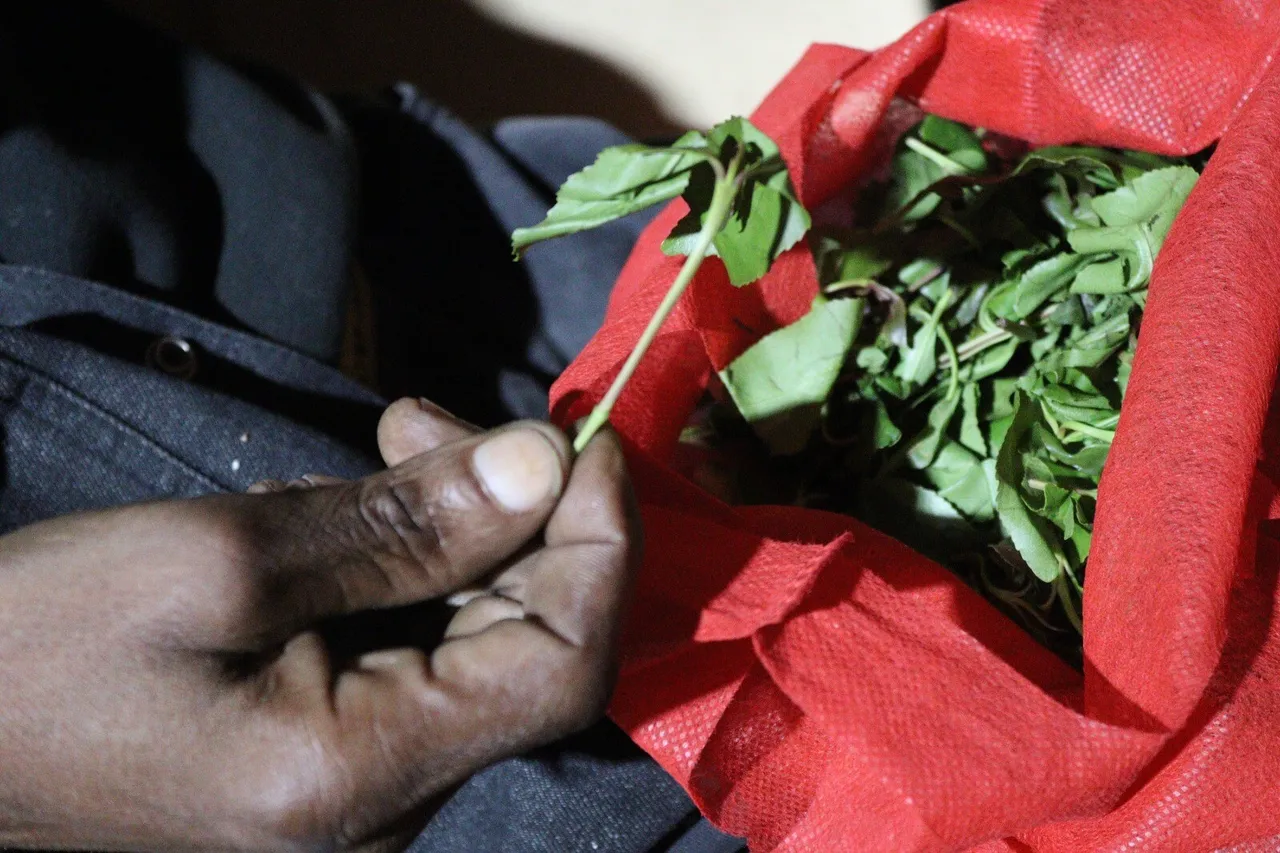
Health workers say the easy availability and social sanction for muguka, a cheap herbal stimulant that sells for as little as 50 shillings (US $0.39), is to blame for the surge in what is escalating into a widespread problem in Kenya.
Abdulswamad Nassir, the governor of Kenya's Mombasa County, recently doubled down on his proposal to ban the use, sale and transportation of muguka, declaring it has "no medicinal value" and classifying it as "a serious threat to the health of young people".
While Nassir is on the same page as President William Ruto on the latter's call for the death penalty to anyone held guilty of drug trafficking, their views clearly differ on muguka.
In May 2024, Ruto revoked a contentious ban on muguka in some regions of Kenya and declared the trade legal under national law. With Nassir insisting that muguka must be banned, Mombasa is caught between a worsening public health emergency and a national policy that treats its sale and consumption as legal.
The governor's stand has also ignited a nationwide debate on the limits of county authority, implementation of public health policy and the case for a legal leash on a psychoactive substance rooted in tradition.
Muguka morass
Muguka is a variety of miraa (khat), a plant endemic to eastern Kenya and chewed fresh as a recreational stimulant across regions in the Horn of Africa.
While miraa has cultural significance in parts of East Africa, health experts warn that prolonged and heavy muguka use creates complex health and social challenges. Muguka contains cathinone and cathine—chemicals that cause short-term stimulation and euphoria but carry serious long-term risks.
In Mombasa and other coastal towns, muguka consumption has significantly disrupted daily routines, family life, and young people's educational and employment prospects.
Teachers and social activists report rising absenteeism, declining academic performance and increased risky behaviour linked to muguka use.
"Muguka is known to cause insomnia. We often see sleep-deprived students catching a few winks in class. Students who are otherwise well-behaved become aggressive and disrespectful because their mental state is affected," says Bakari Mohd, who teaches in Mombasa's Allidina School.
Kenya's National Authority for the Campaign against Alcohol and Drug Abuse (NACADA) reports that the Coast region has been disproportionately affected by muguka consumption, compared to other substances.
Alawy Hussein*, who used to smoke heavily and chew muguka, says his addiction led to severe mental health problems and homelessness.
"Muguka has destroyed many lives, especially young people, in Mombasa. By the time I was rescued from the streets, I had completely lost my mind. I appeal to the government to clamp a blanket ban on muguka," he tells TRT Afrika.
Young mother Sofia Omari* is currently receiving mental health treatment to salvage her life from the ravages of muguka addiction. "I failed as a parent. I would leave home to beg for money just to buy muguka. It ruined my life, and I hope it is removed completely," she says.






Growing burden
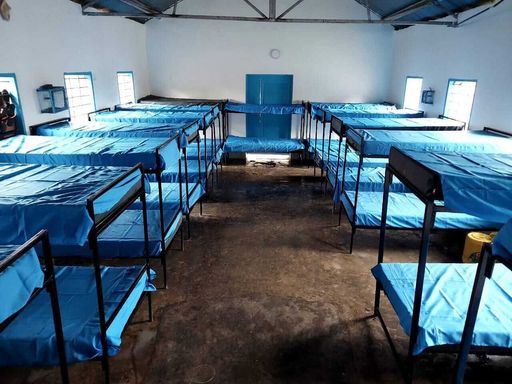
Rehabilitation centres and mental health facilities in Mombasa county have witnessed a sharp increase in the inflow of patients linked directly to muguka abuse.
Amina Mohd, a manager at the Mombasa Women Empowerment Centre, says many patients under the organisation's care have a history of long-term muguka use.
"When we pick people from the streets, we often find them carrying bundles of muguka. Families tell us the habit started slowly before escalating and damaging their mental health," she tells TRT Afrika.
Taib Basheib, director of the Reach Out Centre Trust, describes the crisis as severe and widespread. "Our assessments show that nearly all muguka users live in vulnerable conditions and suffer from serious mental health disorders. Young people between 15 and 25 constitute the largest chunk of recovering addicts," he says.
Healthcare professional Jalab Ashraf warns that prolonged use of muguka can lead to significant physical and psychological harm. "It damages the mouth and teeth, and causes stomach ulcers, constipation, insomnia, anxiety, and depression. Over time, it can result in severe mental illness or psychosis."
Kenya's strained public healthcare system is already struggling to cope with an explosion of such cases.
Legal quandary
Policy analysts believe a county-level ban could face legal challenges, given the national government's declaration that muguka is legal.
The constitution, however, allows local governments in Kenya to enact measures aimed at protecting public health within their respective jurisdiction.
Frankline Makanga, a member of the County Assembly for Chaani Ward and the Mombasa County Assembly Health Committee, says the issue should be treated as a public health emergency rather than a political dispute.
"This is not about politics. Our young people are being harmed every day," he says.
Although the County Assembly will push for the development of local policies regulating products sold in Mombasa, Makanga believes the onus is on the National Assembly to reconsider muguka’s classification as a commercial crop.
Not all stakeholders support an outright ban. Muguka trader Githinji Tatu argues that strict regulation would be more effective than prohibition. "Muguka should continue to be sold under strict controls. A total ban is not the solution because many livelihoods depend on this trade," he says.
Activists campaigning against muguka stress the need for greater investment in public education, prevention and coordinated policies that prioritise public health over political and economic interests.
*Some names have been changed to protect identities