 Dorothy Achu
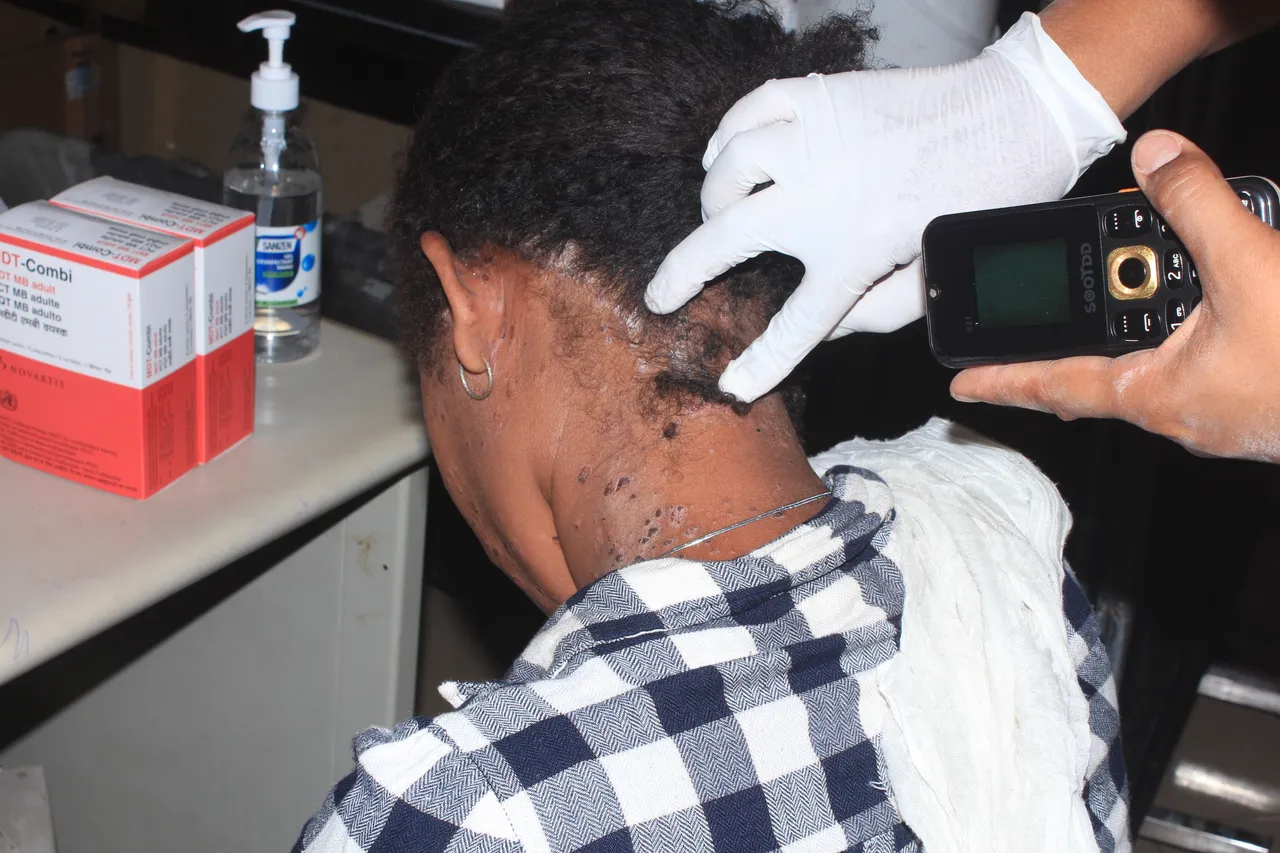
In 2026, leprosy should no longer be disrupting lives. We have the means to detect it early, treat it effectively, and prevent the disabilities it can cause. Yet it continues to affect thousands of people in Africa.
This gap between what we know how to do and what is still happening on the ground must drive us to act more decisively.
In a few days, the WHO Regional office in Brazzaville will host a Working-level meeting on leprosy elimination. This will not just be a technical exchange. It will be an important moment for Africa to reflect on the medical and social issues impeding progress and chart pathways to accelerate its efforts and turn the page on a disease long marked by stigma.
In 2024, more than 19,000 new cases were reported in the African Region. Among them were children, a clear signal that transmission continues.
Too many people are still delaying in seeking care, when visible disabilities are already present. Leprosy thus remains closely linked to inequalities in access to healthcare, information, and social protection.
Beyond its medical consequences, leprosy continues to expose many people to discrimination. In some communities, fear and misconceptions lead to social isolation, loss of employment, or exclusion from school.
Entire families can be affected by stigma. Yet leprosy is a curable disease, and those treated no longer pose a risk of transmission.
Ending discrimination is therefore just as essential as reinforcing screening and treatment: it is about restoring trust, inclusion, and dignity and protecting human rights.
But 2026 can mark a real turning point.



For the first time, all countries in the Region have submitted their data to the World Health Organization, a sign of strengthened collective commitment.
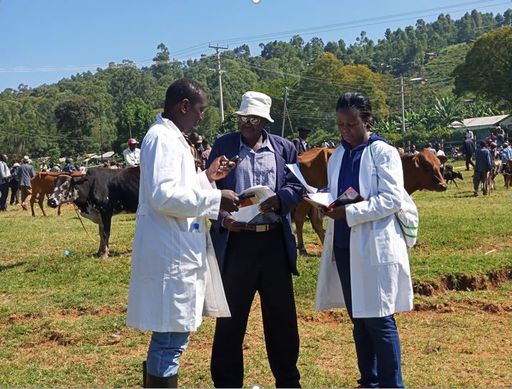
Several countries have reported no cases among children for many years. Others are expanding community-based detection and integrating leprosy control into broader skin disease management programs. These advances show that elimination is possible if we sustain our efforts.
The role of WHO Regional Office for Africa and its partners is to support this momentum: strengthening surveillance, supporting field teams, ensuring access to treatment for all, and promoting an environment where affected individuals can live free from discrimination. Eliminating leprosy means protecting health but also defending dignity.
The Brazzaville Working-level meeting on leprosy elimination will be an important step toward the future Africa Zero Leprosy Conference, where Ministers of Health will be called upon to make concrete commitments tailored to national realities.

In 2026, it is no longer just about announcing intentions but about achieving results. The tools exist. The data is available. Countries and partners are mobilized. Now is the time to turn this momentum into lasting progress.
Africa has already shown that it can rise to major public health challenges by eliminating several neglected tropical diseases. Let us make the elimination of leprosy one of the next success stories for our Region.
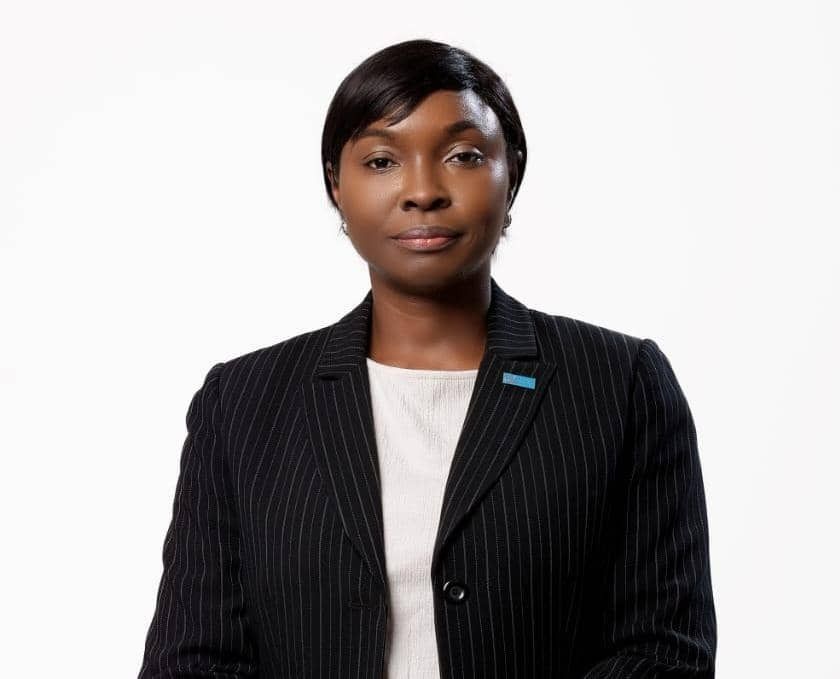
The author, Dr. Dorothy Achu, is the Head of the Tropical and Vector-Borne Diseases Unit – WHO Africa.