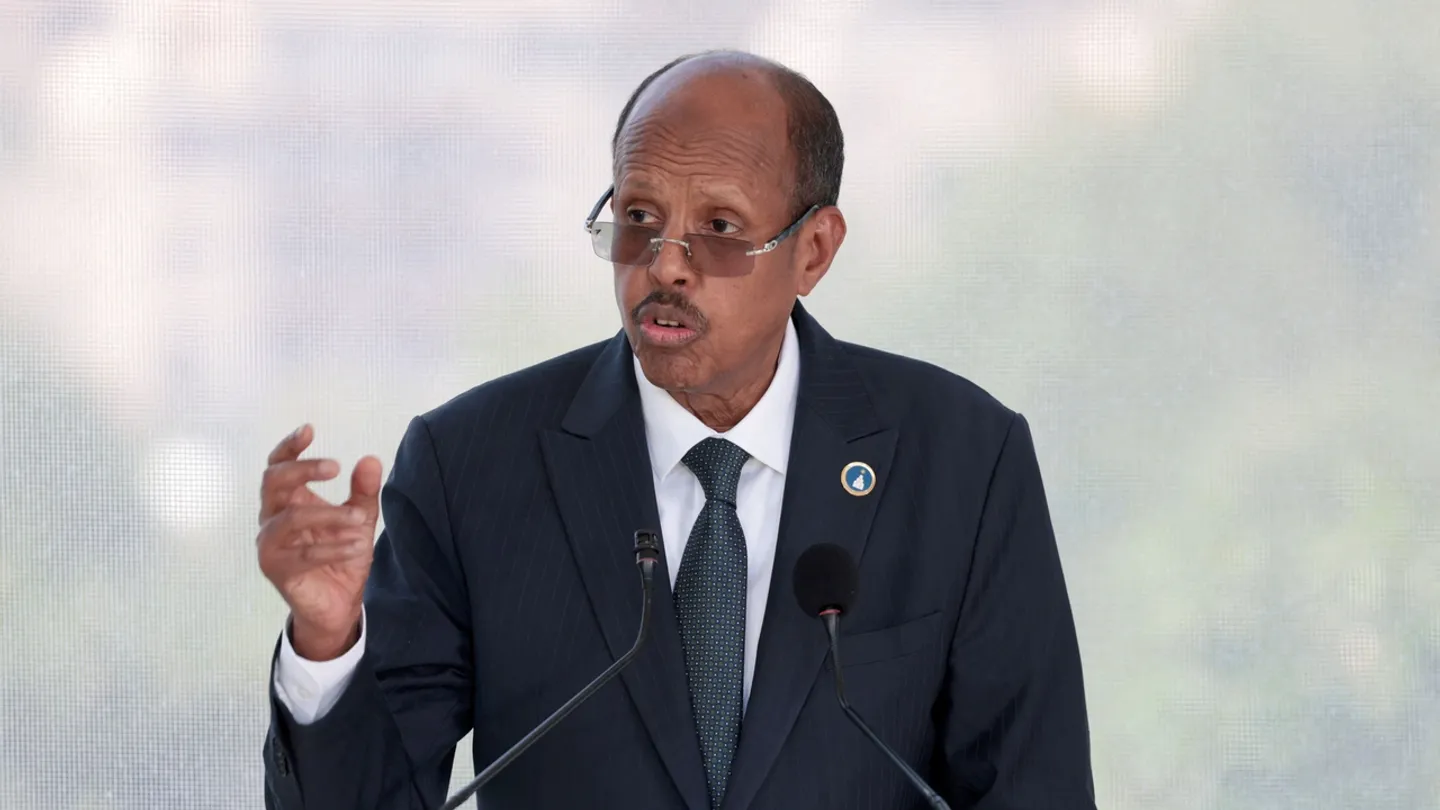
The African Union Commission chairperson on Thursday called for restraint as more than 400 civilians have been killed in recent clashes in the eastern Democratic Republic of Congo’s South Kivu province.
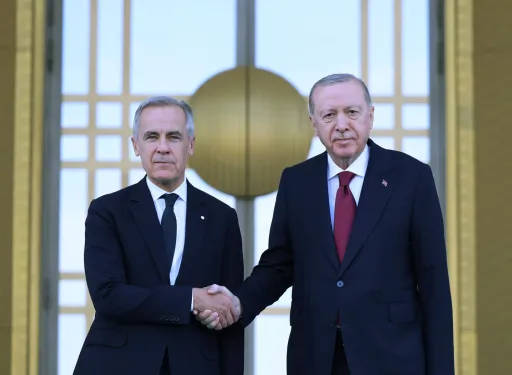
In a statement, Mahmoud Ali Youssouf, the commission chairperson, regretted violence perpetrated against civilians, calling on all stakeholders to exercise restraint and to prioritise a political solution.
This came after Bashizi-Didier Kabuya, the South Kivu government spokesperson, said in a statement on Wednesday that more than 413 victims, including women, children, and young people, were killed by bullets, grenades and bombs in different localities in Uvira territory.
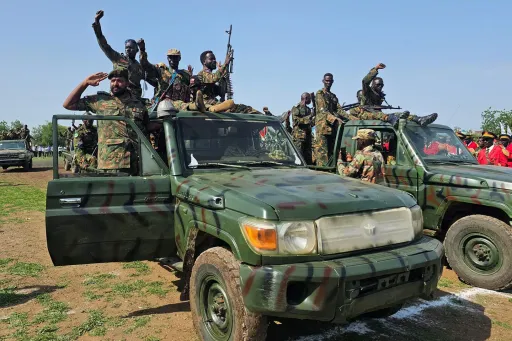
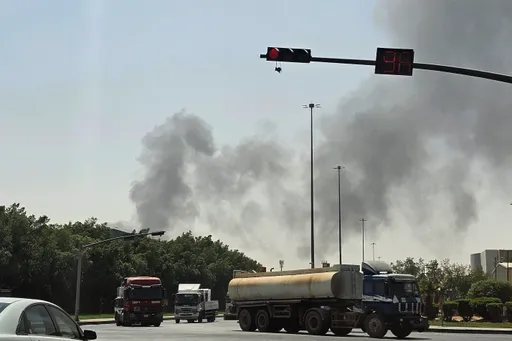
The same day, the M23 rebels claimed to have seized Uvira, a key commercial hub close to the border with Burundi, which served as a temporary capital of South Kivu province, following days of fighting with government forces.
Thousands displaced
The capture of Uvira led to a major humanitarian crisis, with more than 200,000 people forced to flee their homes, Kabuya said.
On December 4, Congolese President Felix Tshisekedi and Rwandan President Paul Kagame signed a peace and economic agreement aimed at putting an end to the fighting in eastern DR Congo.
The agreement was signed following a peace agreement brokered by US President Donald Trump in June.
The African Union chairperson said the recent clashes and violence “run counter to the momentum” generated by the Doha Framework Agreement between DR Congo and AFC/M23, as well as the US-brokered peace deal signed between DR Congo and Rwanda.

Condemns attempts to establish parallel government in DRC's east
Youssouf reiterated the “African Union’s long-standing position that lasting peace in the Great Lakes region is predicated on full respect for the sovereignty and territorial integrity of all States.”
He also condemned any attempt to establish a parallel administration in eastern DR Congo.
On Wednesday, the Congolese government attributed the violence in Uvira to “widespread offensive launched in recent days by the Rwandan Defense Forces” along the Kamanyola-Uvira axis.
In a statement, the Communication Ministry said the latest attacks constitute a “blatant violation” of the ceasefire, the commitments made under recent peace agreements, as well as fundamental principles of international humanitarian law.
Lightning offensive
The M23 resumed fighting in 2021, launching a lightning offensive that led to the capture of several territories, including the provincial capitals of Goma and Bukavu.
The UN and Kinshasa accuse neighbouring Rwanda of supporting the M23, which Kigali denies.