Kenya's criminal investigators have arrested a wildlife conservancy chief executive after recovering two elephant tusks, a lion skin and ammunition during a search operation, authorities said on Sunday.
Ol Pejeta Conservancy CEO Justin Heath was arrested for unlawful possession of wildlife trophies and ammunition, the Directorate of Criminal Investigations said in a statement.
The conservancy is located in Laikipia County, near a military barracks where British troops train under a defence agreement with the Kenyan government. It is home to the world’s last northern white rhinos, attracting thousands of tourists annually.
Investigators also recovered two Winchester rifles along with five other weapons: a Lawn & Holder, a Cooswel & Horizon, a W. Meadows, a Benelli and a Ferlach. The firearms were found in the trunk of a vehicle at the CEO’s residence and hadn't been declared.
Conservancy known for rhino conservation
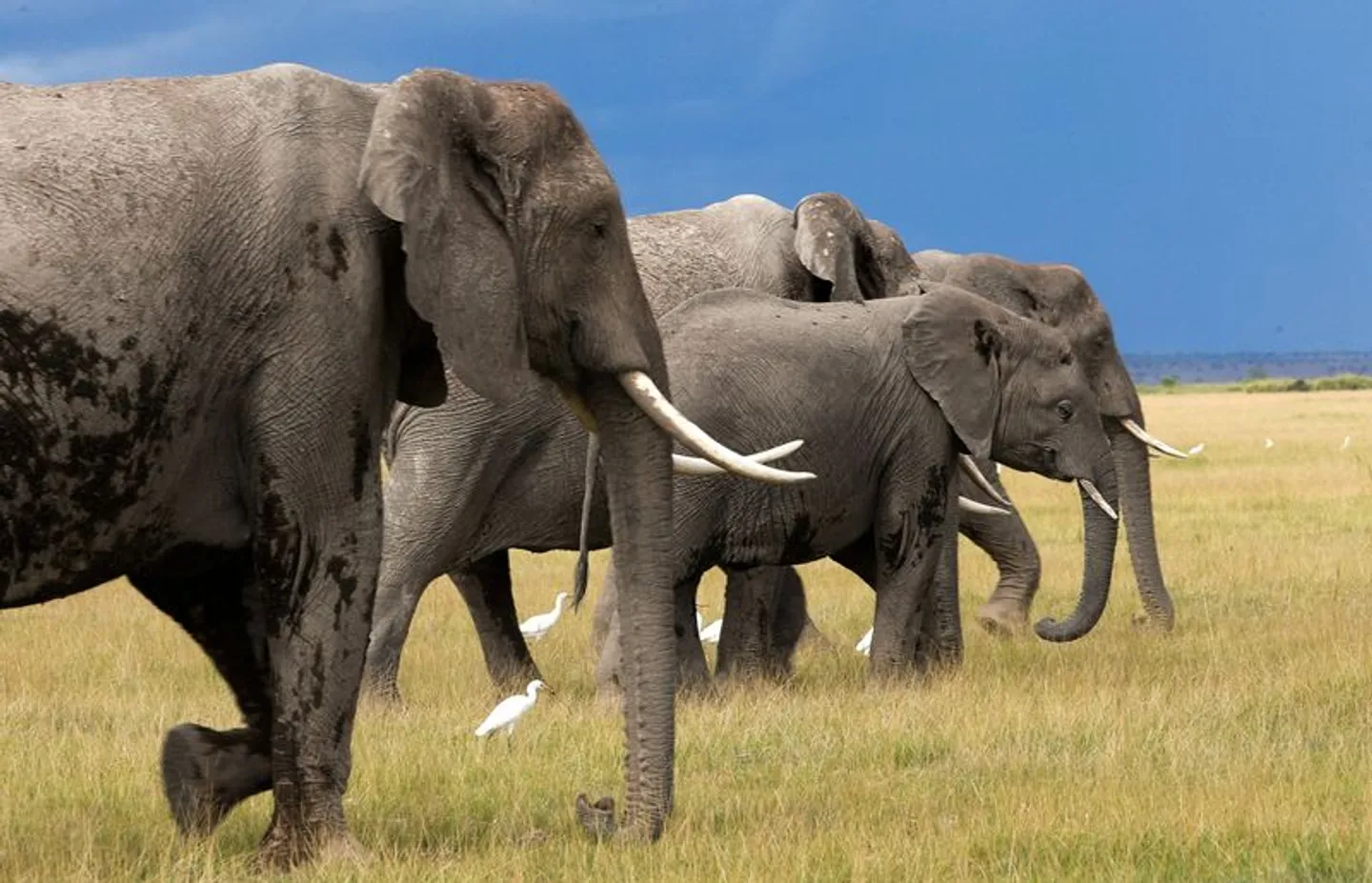
The elephant tusks, weighing 31 kilogrammes and 28 kilogrammes, respectively, were found in the conservancy’s armoury, along with the lion skin. Under Kenyan wildlife regulations, conservancies are required to notify the Kenya Wildlife Service of wildlife deaths and surrender any recovered trophies within 72 hours.
The conservancy is known for its rhino conservation work and is home to 178 eastern black rhinos. The population has grown at an annual rate of 5.5% since 2007, putting pressure on available habitat and prompting plans to relocate some of the animals.
On November 12, Ol Pejeta announced that 17 rhinos had died of natural causes this year and that their horns had been handed over to the Kenya Wildlife Service. The conservancy also raised concerns about the decline of whistling thorn acacia, a key food source for the rhinos.