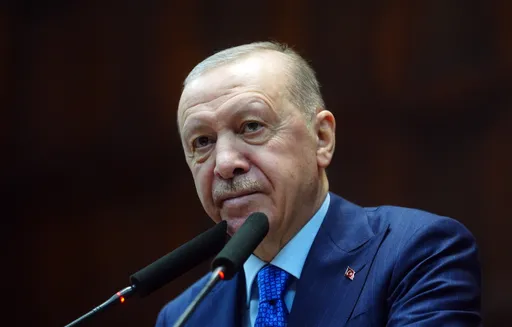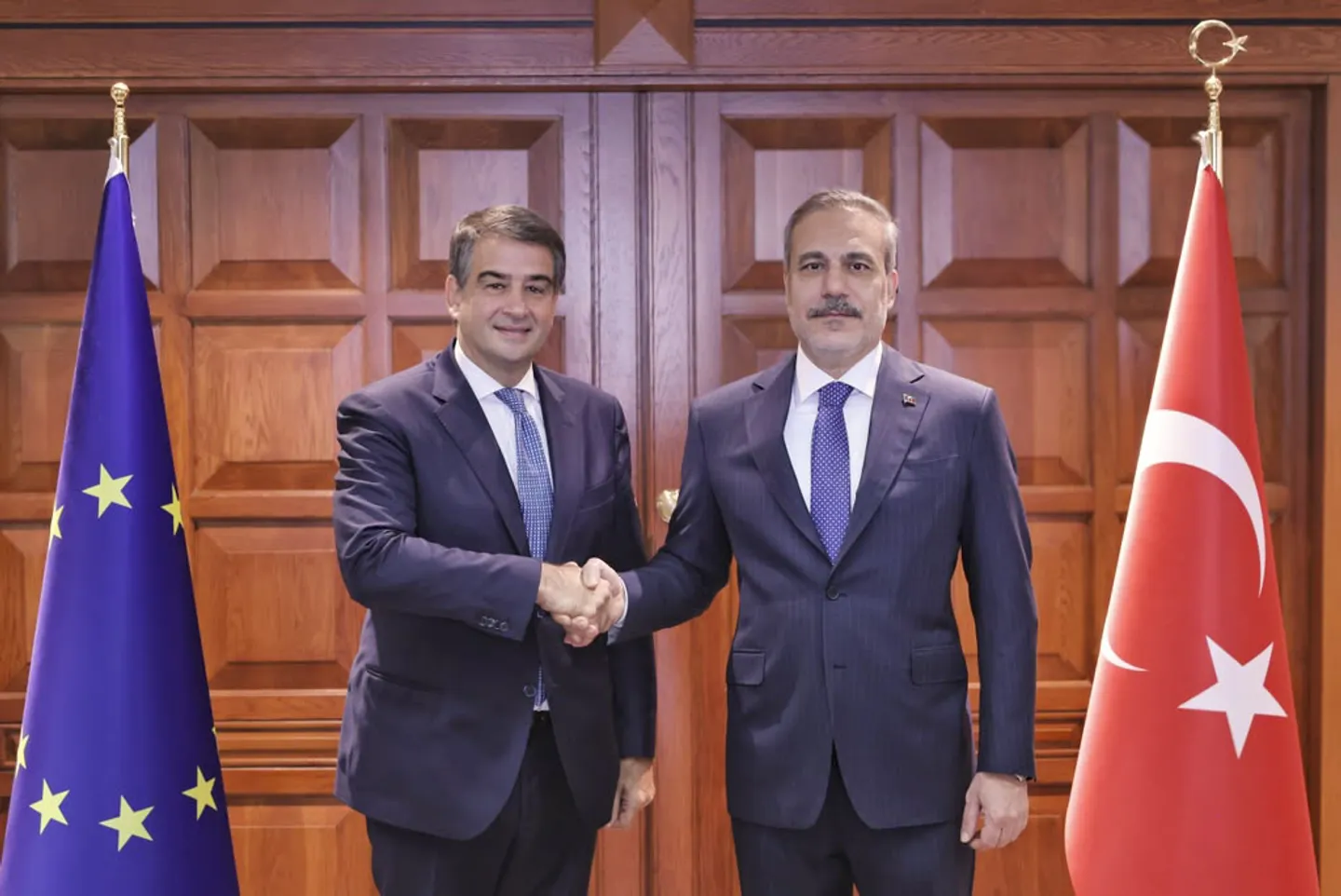
Turkish Foreign Minister Hakan Fidan has urged the EU not to allow the Greek Cypriot Administration to "hold the future of Türkiye-EU relations hostage", warning that such an approach would be misguided.
Fidan made the remarks during a meeting with European Commission Executive Vice-President for Cohesion and Reforms Raffaele Fitto in Ankara on Friday, according to Turkish diplomatic sources.
He welcomed Fitto's efforts to strengthen cooperation between Ankara and the EU and his constructive role in the process, emphasising the importance Türkiye attaches to its relations with the bloc.
Fidan said Türkiye and the EU could take significant steps based on mutual interests.
He also stressed that modernising the Customs Union would serve the shared economic interests of Türkiye and the EU, arguing that the issue should not be linked to the Cyprus dispute.

Cyprus issue
Türkiye continues its efforts, in its capacity as the island's motherland and guarantor state, to ensure the security, development and prosperity of the Turkish Cypriot people, while supporting their right to live freely and prosperously on the island as equal partners, the sources said.
Ankara maintains that the most realistic solution to the Cyprus issue is the coexistence of two states on the island and that the sovereign equality and equal international status of Turkish Cypriots, which it considers their inherent rights, should be recognised by the international community.
Türkiye argues that the Cyprus issue has remained unresolved primarily because the Greek Cypriot side has refused to recognise the inherent rights of Turkish Cypriots and has been unwilling to share political power and economic prosperity with them.
Cyprus has been mired in a decades-long dispute between Greek Cypriots and Turkish Cypriots, despite diplomatic efforts by the UN to achieve a comprehensive settlement.
Ethnic attacks starting in the early 1960s forced Turkish Cypriots to withdraw into enclaves for their safety.
In 1974, a Greek Cypriot coup aimed at Greece’s annexation of the island led to Türkiye’s military intervention as a guarantor power to protect Turkish Cypriots from persecution and violence. As a result, the TRNC was founded in 1983.
It has seen an on-and-off peace process in recent years, including a failed 2017 initiative in Switzerland under the auspices of guarantor countries Türkiye, Greece, and the UK.