 Emmanuel Oduor
For over a month, convoys of buses have been returning thousands of Sudanese to their home areas from neighbouring Egypt where they sought refuge following the outbreak of a civil war in 2023.
Many are returning to destroyed homes and devastated livelihoods, but are keen to rebuild their lives under a state-assisted voluntary repatriation program.
It has been seven months since the government returned to the capital, Khartoum, from its wartime capital in the coastal city of Port Sudan. The authorities have been focusing on reconstruction projects, estimated to cost hundreds of billions of dollars, and returning to a path to political stability.
This week, the government hosted an African Union delegation to push its proposal for Sudanese-owned dialogue inside the country with key political actors.
War in a stalemate
The talks with the AU delegation came at a crucial time as the civil war remains locked in a stalemate, increasing pressure for a negotiated settlement.
Yet, the setbacks of similar previous mediation efforts still linger. High-stakes summits towards dialogue held in major capitals of the world have encountered headwinds for lacking sufficient leverage over the Sudanese parties or external actors sustaining the conflict, according to analysts.
“A sustainable peace cannot ultimately be imposed from outside Sudan. Sudanese political forces, civil society, professional groups, women, youth, traditional and community leaders, and representatives of the regions affected by the war must have a meaningful role in defining the country's political future,” Sudanese historian Tarig Mohamed Nour tells TRT Afrika.
‘Impartial guarantor’
“The African Union's role should be that of an impartial continental guarantor, bringing together the different Sudanese constituencies and coordinating the international and regional mediation tracks.”
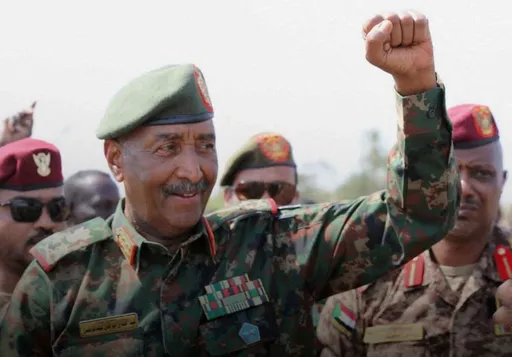
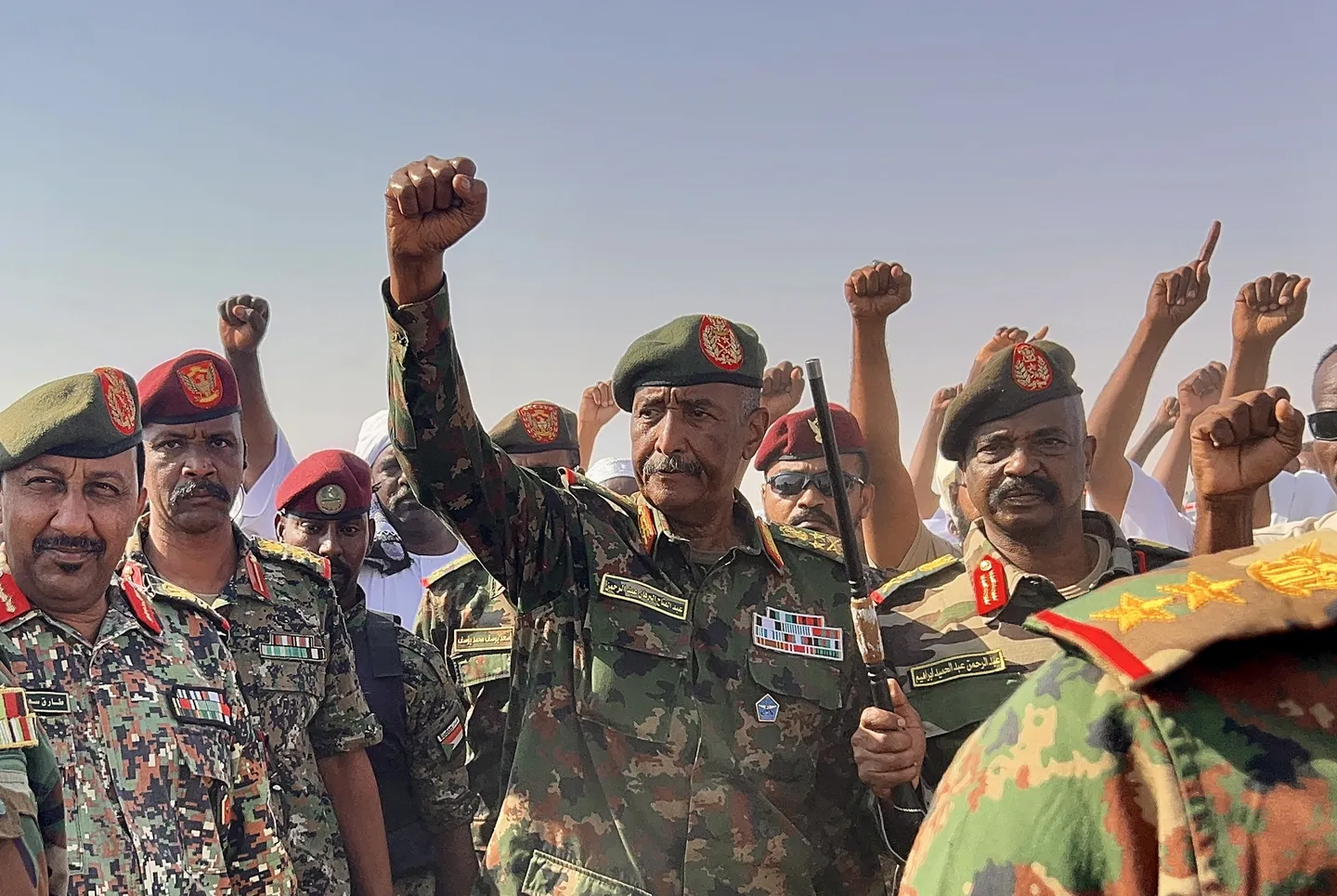
Ahead the AU delegation’s arrival, army chief Abdel Fattah al-Burhan held consultations with Sudanese political figures and civil society groups on steps to create conducive conditions for a comprehensive dialogue.
Proposals discussed included dropping charges punishable by death against opposition leaders and forming a committee to organise a dialogue conference, according to media reports.
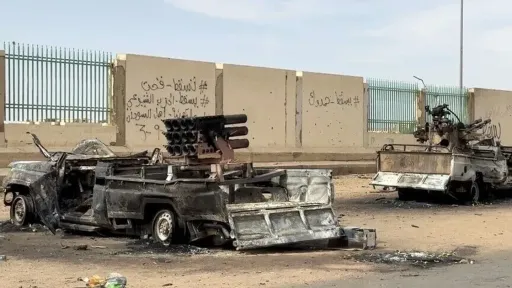
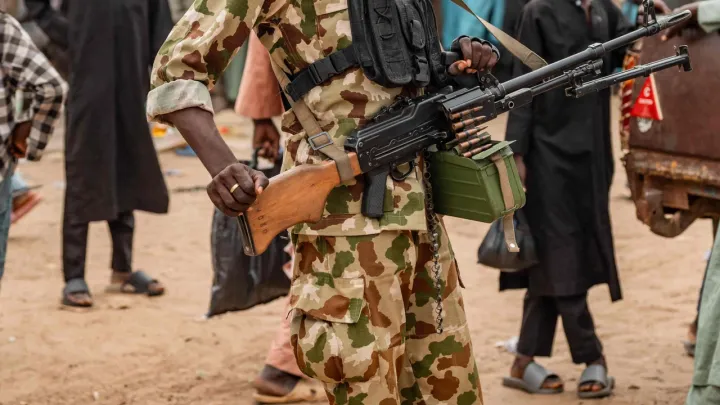
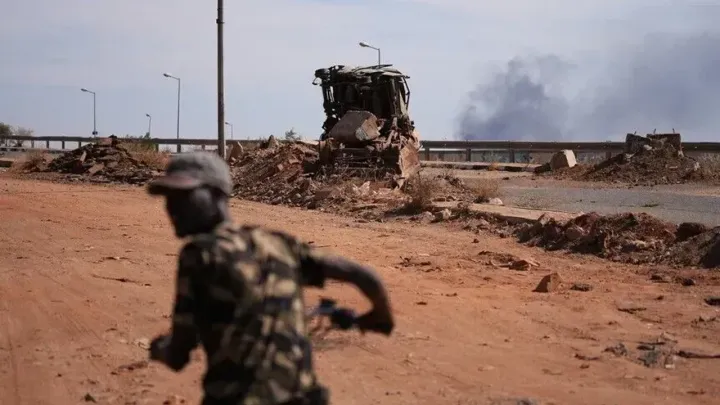
The Sudanese Armed Forces (SAF) has been at war with the paramilitary Rapid Support Forces (RSF) since April 2023. The conflict has killed tens of thousands of people and displaced around 13 million, according to the UN.
Home-led initiative
The visit by the AU Peace and Security Council delegation to Khartoum signaled a significant shift by the government towards a home-led peace initiative that draws on participation of civilian actors.

On the table in their separate meetings with Prime Minister Kamil Idris and army chief Burhan were issues relating to peace, security and stability in Sudan.
The AU mission was told that a Sudanese-Sudanese dialogue would "begin soon”, will be “owned by all the people of Sudan” and will lead to “comprehensive national recovery” and culminate in elections.
But there were warnings too, including “not placing the Sudanese Armed Forces and the Rapid Support Forces militia on an equal footing,” and rejecting foreign interference. The prime minister also insisted that the RSF withdraws from areas under its control and integrates into the national army.
Conditions for dialogue
Various actors who spoke to TRT Afrika sounded upbeat on the dialogue initiative, although a sticking point is whether conditions for the dialogue can gain the trust of Sudanese players and earn international legitimacy. Some have urged full cessation of hostilities before negotiations start.
Mariam Al-Mahdi, an opposition figure and former foreign affairs minister, called for an "environment that makes dialogue safe, credible, and viable for success". She argued that initial confidence-building measures for inclusivity will not delay the dialogue but protect it from failure.
“A Sudanese-Sudanese dialogue will not succeed merely by gathering parties around a single table unless preceded by tangible measures that restore a minimum level of trust, protect civilians, and provide guarantees for safe participation,” she said in a statement to TRT Afrika.
"The first step is rebuilding a minimum baseline of trust among civilian forces to allow disagreement without criminalisation, dialogue without treason accusations, and coordination to end the war and protect civilians."
Agenda of talks
Few details have emerged on what the agenda of the dialogue conference will look like. Many hope cessation of hostilities will be near the top of the agenda amid ongoing fighting in the three states of the Kordofan region and in areas near Khartoum.
“The dialogue should therefore not become simply a mechanism for negotiating the distribution of power among armed or political elites. It should address the deeper causes of the conflict, the future of the armed forces, accountability and justice, political inclusion, economic reconstruction and the rebuilding of state institutions,” Nour argues.
The involvement of AU in the dialogue is therefore seen as signaling African ownership and insistence on respect of Sudanese sovereignty, while finding ways to end the devastating war.
The AU delegation to Khartoum expressly rejected foreign interference in Sudan's internal affairs and attempts to establish parallel entities or governments.
“Sudan needs an African-led process, a Sudanese-owned solution and a genuinely independent AU. External powers can support peace, but they should not own the peace process,” Nour observed.