 Pauline Odhiambo
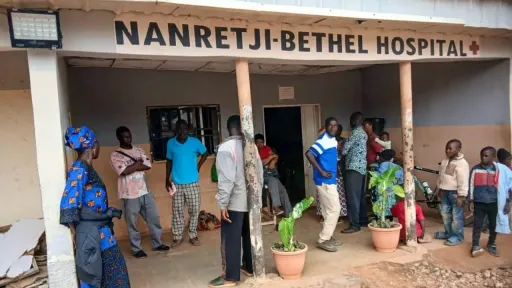
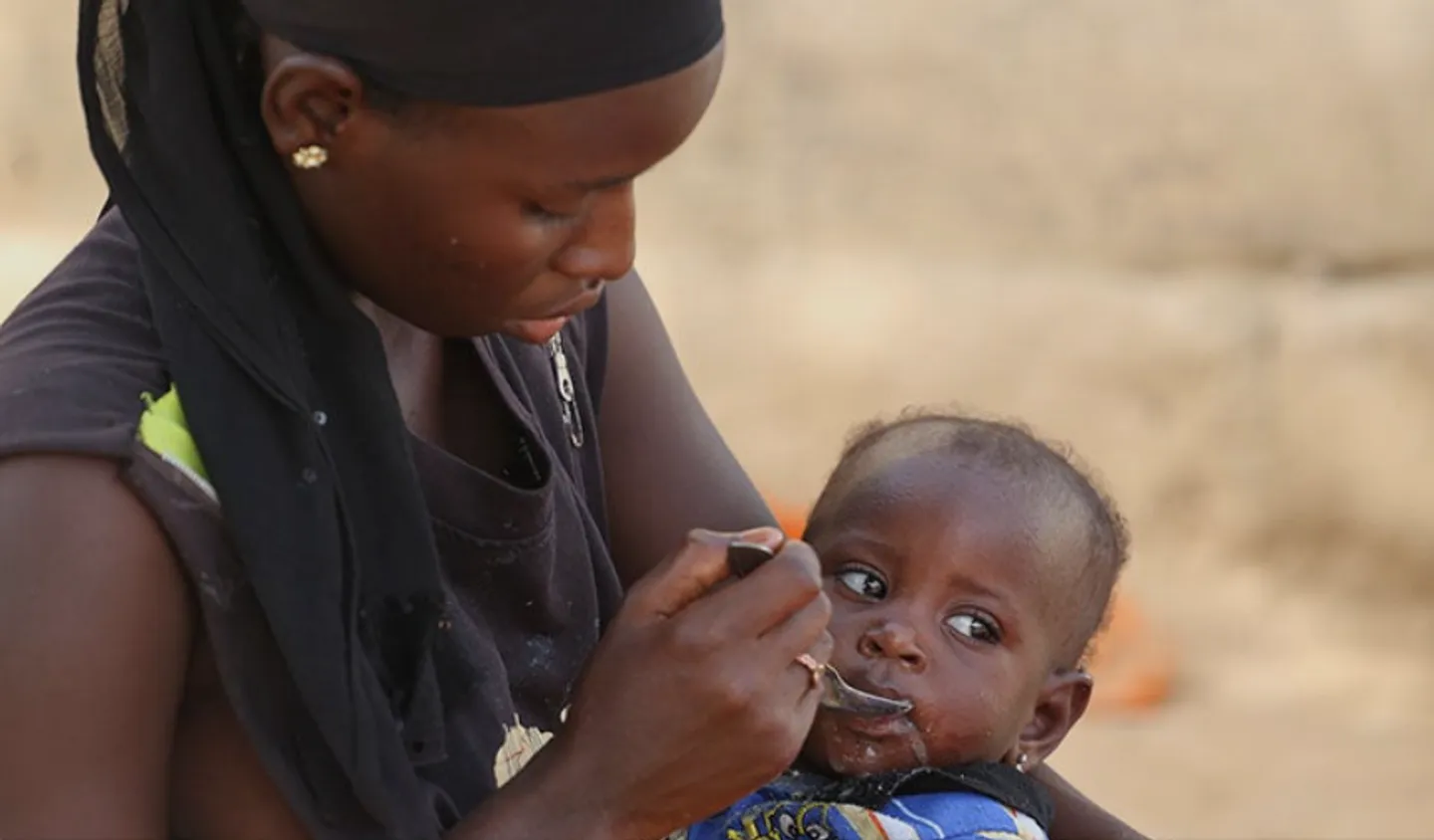
The morning sun casts its golden light across the rooftops in Kenya’s Manda Island, where Halima Hassan prepares her children for school with renewed energy. Her youngest has been gaining strength, thanks to a community nutrition programme that supplements their diet with fortified porridge and fresh vegetables.
The programme, supported by local farmers and international partners, has taught Halima how to stretch her budget while prioritising nutrition. She still counts her shillings carefully, but now she knows which market stalls offer the best value for nutrient-rich foods.
"Things are not perfect," Halima says with a hopeful smile, "but they are getting better. I have learned that small changes can make a big difference. When I add moringa powder to our porridge, when I buy eggs from the cooperative instead of the middleman—these choices add up. My children are healthier. They have more energy for school. Change comes slowly, but it comes."
Better seeds
Six thousand kilometers away, in the village of Machinga, Malawi, farmer Daniel Banda also wakes with optimism. A new irrigation project has transformed his small plot, allowing him to grow vegetables throughout the year rather than just during the rainy season.
His wife's garden now produces surplus that they sell directly to a local school feeding programme. The income has helped them afford better seeds and fertiliser, creating a positive cycle that benefits their family and their community.
"We have come a long way," Daniel tells TRT Afrika while surveying his thriving crops. "Two years ago, I feared for my children's future. Now, I see opportunity. The knowledge we have gained—about sustainable farming, about connecting to markets, about working together—is our greatest harvest. I believe we are building something that will last."
These stories of resilience and progress reflect the broader picture emerging across Africa.
While challenges remain significant, the latest United Nations report released on 21 July, 2026 reveals that Africa's hunger trend is beginning to stabilise—a remarkable achievement after years of steady increase.
Female farmers
The 2026 edition of the State of Food Security and Nutrition in the World (SOFI) examines the cost of healthy diets in Africa and beyond, with the proportion of Africa's population facing hunger decreasing from 20.3 percent in 2024 to 20.0 percent in 2025. Although Africa now has the highest number of hungry people in absolute terms, this stabilisation signals that carefully targeted interventions are beginning to take effect.
Global hunger has declined for three consecutive years, with approximately 645 million people affected in 2025—a reduction of nearly 14 million compared to 2024 and 43 million compared to 2022. This sustained improvement demonstrates what the report calls "progress is possible." The number of people experiencing moderate or severe food insecurity has fallen by nearly 86 million since 2024, with women's food insecurity narrowing slightly—a sign that gender-targeted programmes are making a difference.
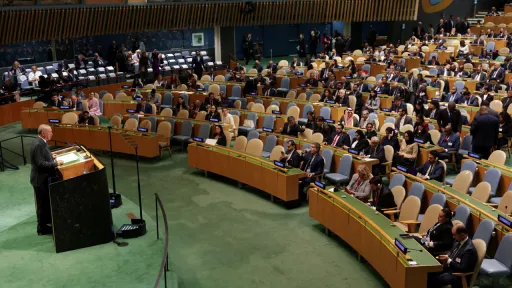
"Food, health, education and social protection must go hand in hand to protect the most vulnerable," says Catherine Russell, UNICEF Executive Director. Across Africa, innovative programmes are doing exactly that—combining school feeding initiatives with local food procurement, linking health clinics with nutrition education, and empowering women farmers with resources and training.
Healthy diet






The report highlights a crucial insight: lowering the cost of healthy diets is possible through strategic investments. While the average global cost of a healthy diet rose to $4.28 per person per day in 2025, the number of people unable to afford such diets has declined—from 2.97 billion in 2021 to 2.69 billion in 2025. This progress, despite rising costs, demonstrates that policies and programmes can make a tangible difference.
"What we are seeing is the power of investment in resilient value chains," explains Alvaro Lario, President of IFAD. "Our task now is to turn the evidence SOFI provides into investment—and to do so through partnership. Together, we can build the value chains, market systems and rural economies that make healthy food affordable for all."
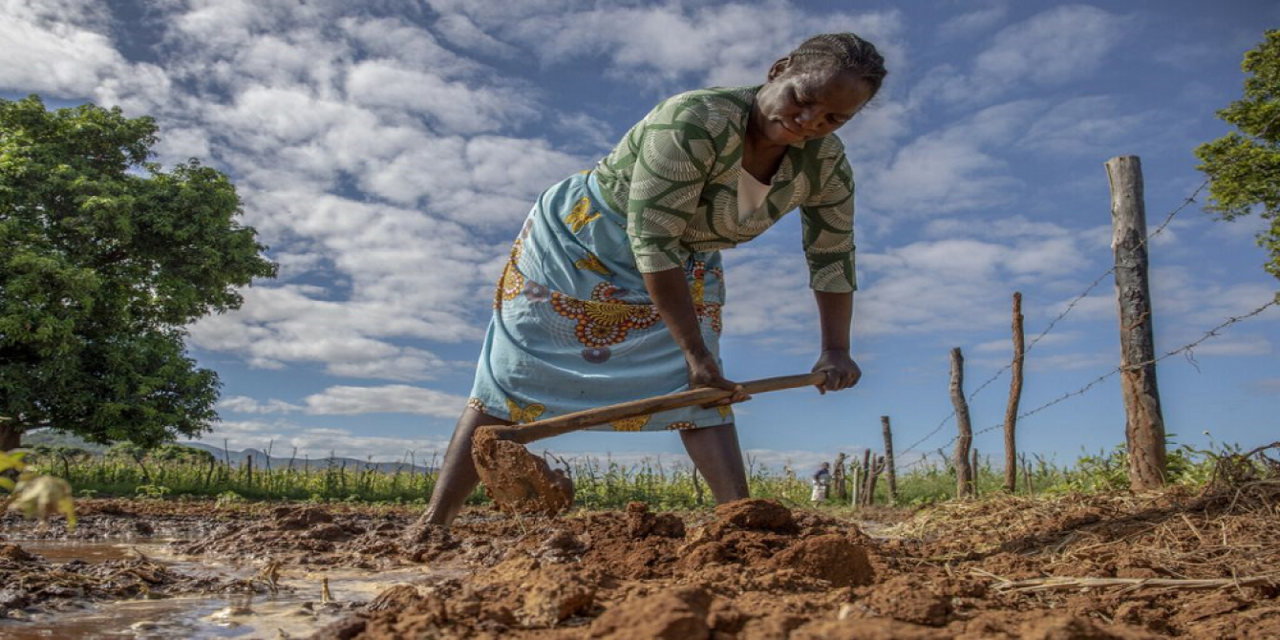
Across Africa, countries are making strides. Investments in infrastructure are connecting farmers like Daniel to larger markets. Cold chains and storage facilities are reducing post-harvest losses that once wasted up to 40 percent of nutritious produce. Reforms in subsidies and trade facilitation are making nutritious foods more accessible. These changes, though gradual, are creating momentum toward food security.
The report identifies food value chains as a major opportunity for improvement. Post-farmgate activities currently account for 70 to 75 percent of consumer prices, with up to 40 percent of total costs arising in processing, logistics and wholesale. Improving efficiency in these segments—through better roads, more reliable electricity, and modernised storage—could dramatically reduce the cost of perishable, nutrient-rich foods.
Hunger and hope
The challenges ahead are real—conflict disruptions, climate extremes, and funding constraints pose threats. But Africa's farmers, families, and communities have shown remarkable resilience. The report notes that approximately 510 to 520 million people may still be facing hunger in 2030, but that represents a projected 20 percent decrease from current levels. The trajectory is moving in the right direction.
Innovation is spreading across the continent. Farmers are adopting climate-smart agriculture that improves yields even in challenging weather. Women are forming cooperatives that give them bargaining power in markets. Governments are prioritising nutrition in national budgets. International partnerships are bringing expertise and resources where they are most needed.

As WHO Director-General Dr. Tedros Adhanom Ghebreyesus reminds states, "Healthy diets are not a luxury—they are the foundation of health and must be within everyone's reach." This vision is not just an aspiration; it is a goal that Africa is actively working toward.
In Manda Island, Halima Hassan is part of this movement. She has joined a community food cooperative that negotiates lower prices for healthy foods. Her children now eat vegetables twice a day, and her son's health has improved dramatically. In Malawi, Daniel Banda has trained neighboring farmers in sustainable techniques, spreading the benefits of his success.
"The work that lies ahead over the years to 2030 is immense," the report acknowledges. "However, a world in which a healthy diet is no longer out of reach for nearly one in three people is a world worth building."
Halima, watching her children play with boundless energy, reflects on how far they have come.
"I believe in Africa's future. I see it in my children's eyes—they are stronger, brighter, more hopeful than I was at their age," she states. "We are building something together, family by family, village by village. The road is long, but we are walking it together. And we will not stop until every child has the food they need to grow, to learn, and to dream."