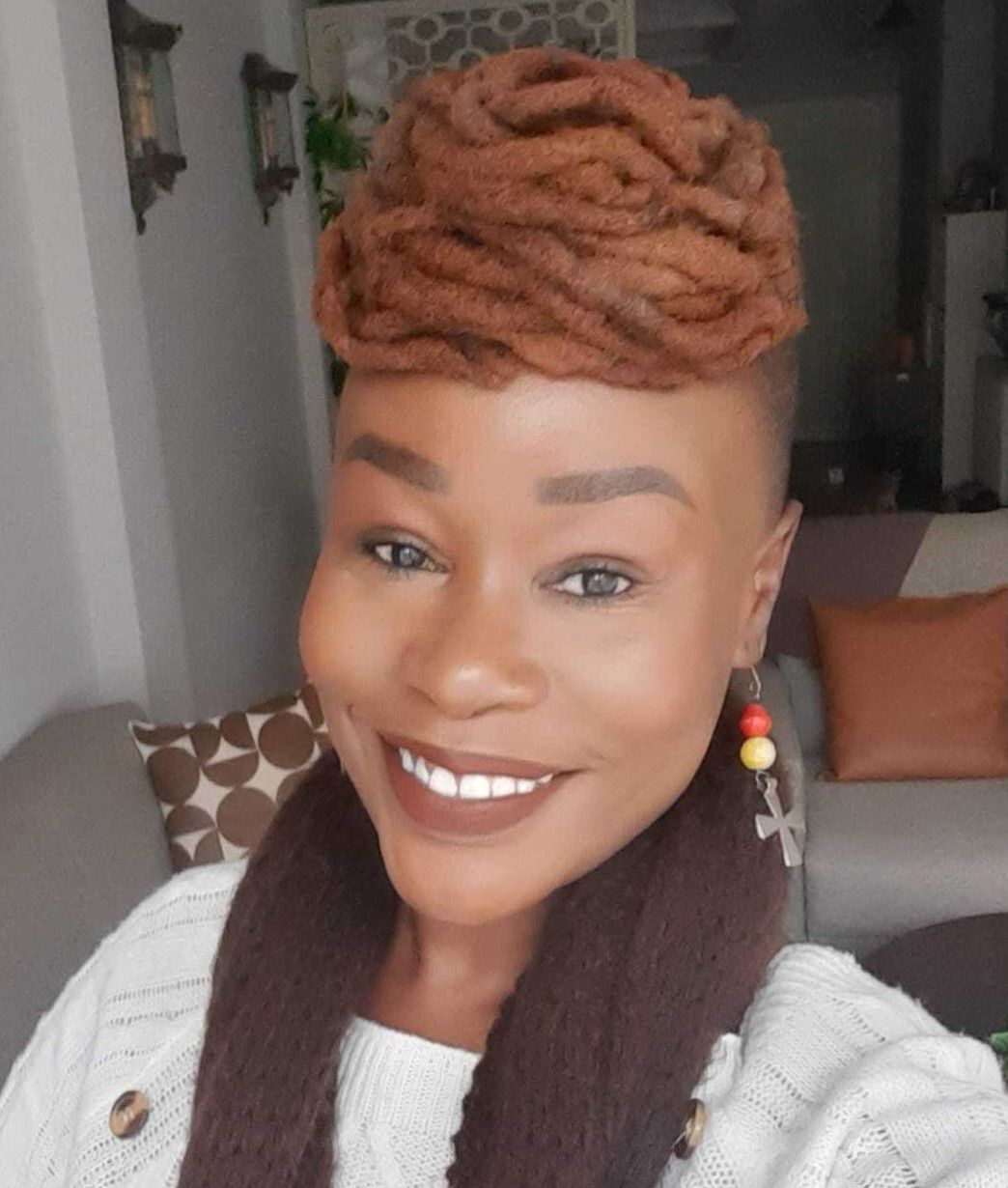
 Pauline Odhiambo
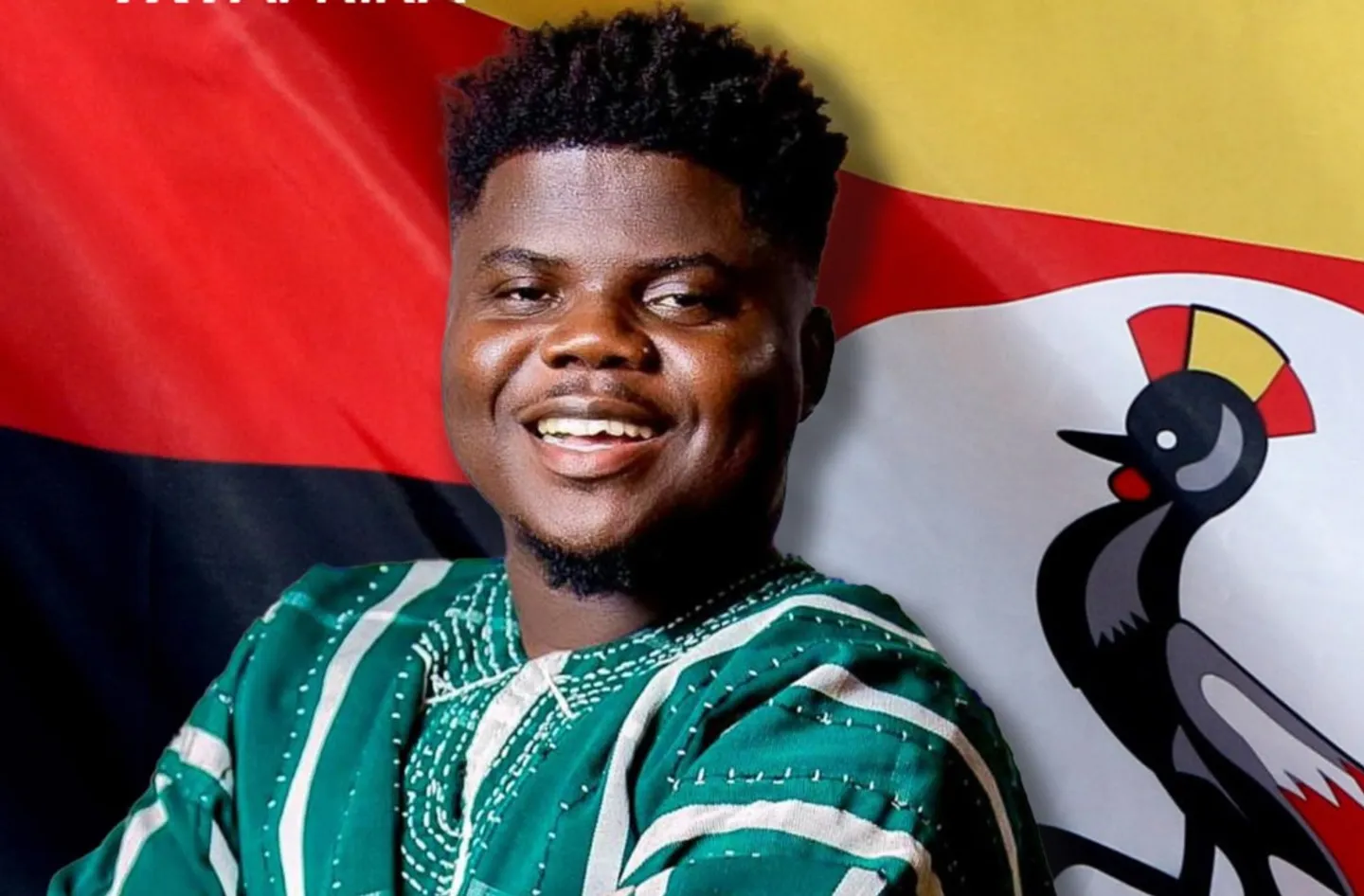
Ghanaian content creator Wode Maya has publicly recounted a remarkable reversal of fortune relating to Uganda.
Maya, whose real name is Berthold Kobby Winkler Ackon, said President Yoweri Museveni's government deported him seven years ago.
Then a personal invitation came from the Ugandan president.
In a social media post on 19 November 2026, the popular YouTuber and aeronautical engineer revealed that his deportation years earlier stemmed from his vlogging activities being misinterpreted as espionage.
He said his flight ticket "was even torn into pieces" for which he "cried like a baby" because he didn't even have the money to book another flight.
Maya is famous for positive portrayal of Africa against age-old stereotypes of the continent.
An entourage on influnecers
And the turnaround of his fate in Uganda came after Museveni watched a speech he delivered at the 2026 Africa-Russia Summit.
Seemingly impressed by the content creator's advocacy for African storytelling, the Ugandan leader invited him to the State House.
Wode Maya did not travel alone; he invited fellow African content creators who had also been in Russia to join him, turning the trip into a broader demonstration of pan-African digital solidarity.
The delegation, which met Museveni on 12 November 2026, included Kenyan comedian Churchill, Tanzanian journalist Salim Kikeke, Zambian personality Masiliso Mutumba, and Ugandan creator Christine Kia.
During the meeting, Museveni urged them to continue using their platforms to showcase Africa's resources, opportunities, and cultural richness.
Exploring Uganda
The content creators expressed interest in building platforms for young Africans to share their own narratives.
During his visit, Maya explored Uganda's infrastructure development including the 20,000-capacity Hoima City Stadium constructed by Turkiye's SUMMA International Construction Company and billed as one of the venues for AFCON 2027.
Wode Maya's journey to this point has been unconventional.
Born in Ghana's Western Region, he studied in China and initially worked as an aeronautical engineer before pivoting to full-time content creation.
His breakthrough came from a viral video documenting racial exclusion on a Chinese bus, and he later built one of Africa's most influential YouTube channels by focusing on positive continental storytelling.
His work has earned him a street named after him in Lagos and a Ghanaian diplomatic passport.
The Uganda episode now stands out as a moment of humiliation transformed into a testament to the unexpected pathways that digital advocacy can open.