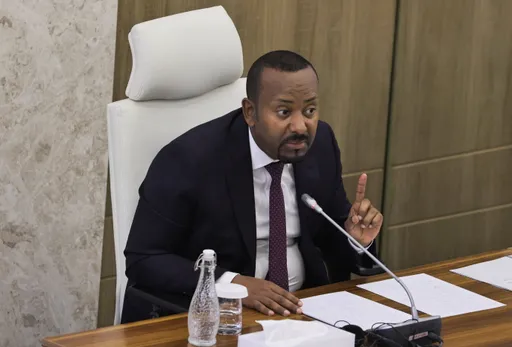
Ethiopian Prime Minister Abiy Ahmed dismisses claims that Ethiopia was preparing for a military offensive to secure access to the Red Sea.
Addressing the House of People’s Representatives during a review of his government’s first-quarter performance, Abiy insists Addis Ababa wants peaceful coexistence and economic cooperation with Eritrea.
“What do we want from the Eritrean government? Let us work together for shared development in every sphere,” he said.
He alleged Eritrean forces were killing civilians and looting factories, schools, and other property during the Tigray war that lasted from 2020 to 2022 and ended with the Pretoria Peace Agreement.
Eritrea response
Eritrea has repeatedly rejected accusations that it was responsible for military aggression and was backing armed groups inside Ethiopian territory, calling the claims part of a hostile campaign against Eritrea.
Ethiopia’s prime minister stressed Ethiopia had no intention of invading Eritrea to secure access to the Red Sea, but that his government would pursue its maritime ambitions through peaceful negotiations.
“Now they say ‘Ethiopia is going to invade Eritrea, Ethiopia will wage an invasion for the Red Sea.’ We will not wage an invasion. An invasion is not needed; we want it peacefully and through dialogue,” he said.
Relations between Ethiopia and Eritrea have deteriorated amid disputes over maritime access, accusations of support for armed groups and renewed fighting in Ethiopia’s northern Tigray region.
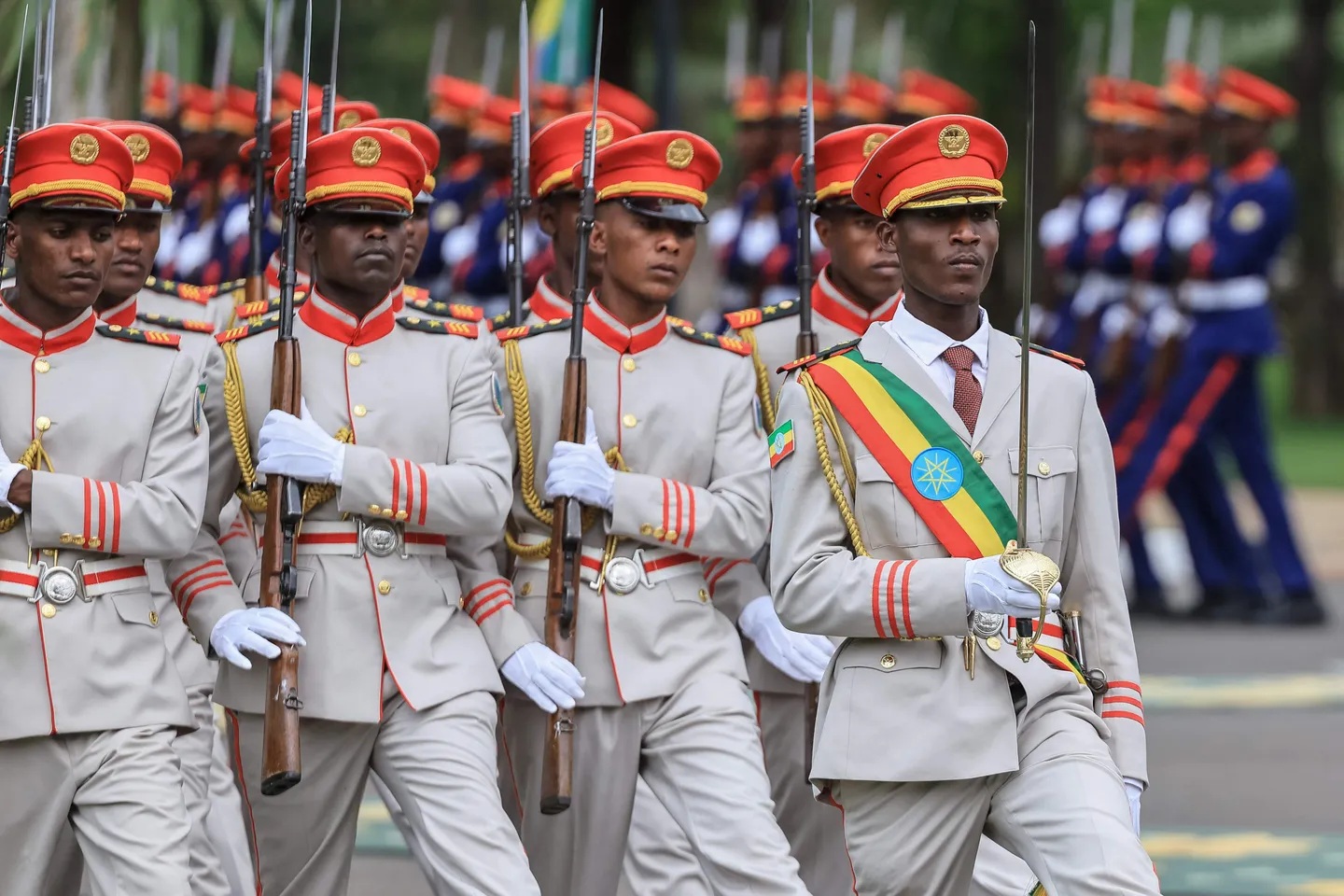
Abiy also defended Ethiopia’s acquisition of advanced fighter aircraft and long-range military capabilities, saying the country’s military modernization was intended to deter aggression.
Eritrea equally says it does not seek a military confrontation with Ethiopia and that accusations it was responsible for military aggression and was backing armed groups inside Ethiopian territory are “false and fabricated.”
Sudan mediation
Abiy, meanwhile, defended his proposal to host inclusive peace negotiations between Sudan’s warring parties despite opposition from authorities in Khartoum, who have accused him of bias in the conflict.
He urged Sudanese parties to consider the initiative, reiterating Ethiopia’s commitment to regional stability.
He also called on armed groups operating in Oromia, Amhara and Tigray to abandon violence and enter peace negotiations with the government.
He pledged to restore essential public services in Tigray, including banking, telecommunications and transport, and expedite elections to enable residents to choose their own leaders.
Sudan has rejected Ethiopia’s offer and urged the African Union and relevant regional and international actors to respect its position to exclude Ethiopia from any arrangements to host or facilitate the dialogue.
AFRICA
3 min read
Ethiopia denies plans to invade Eritrea over Red Sea access
Ethiopia’s prime minister says his government will pursue its maritime ambitions through peaceful negotiations.
Explore