An investigation into the plane crash that killed Libya's army chief and seven others on Tuesday has been launched by the chief public prosecutor's office in Ankara, sources and officials have told Anadolu.
The probe is being conducted under the coordination of a deputy chief public prosecutor and four public prosecutors.
The Falcon 50-type business jet crashed after taking off from Ankara’s Esenboga Airport en route to Tripoli, the Libyan capital.
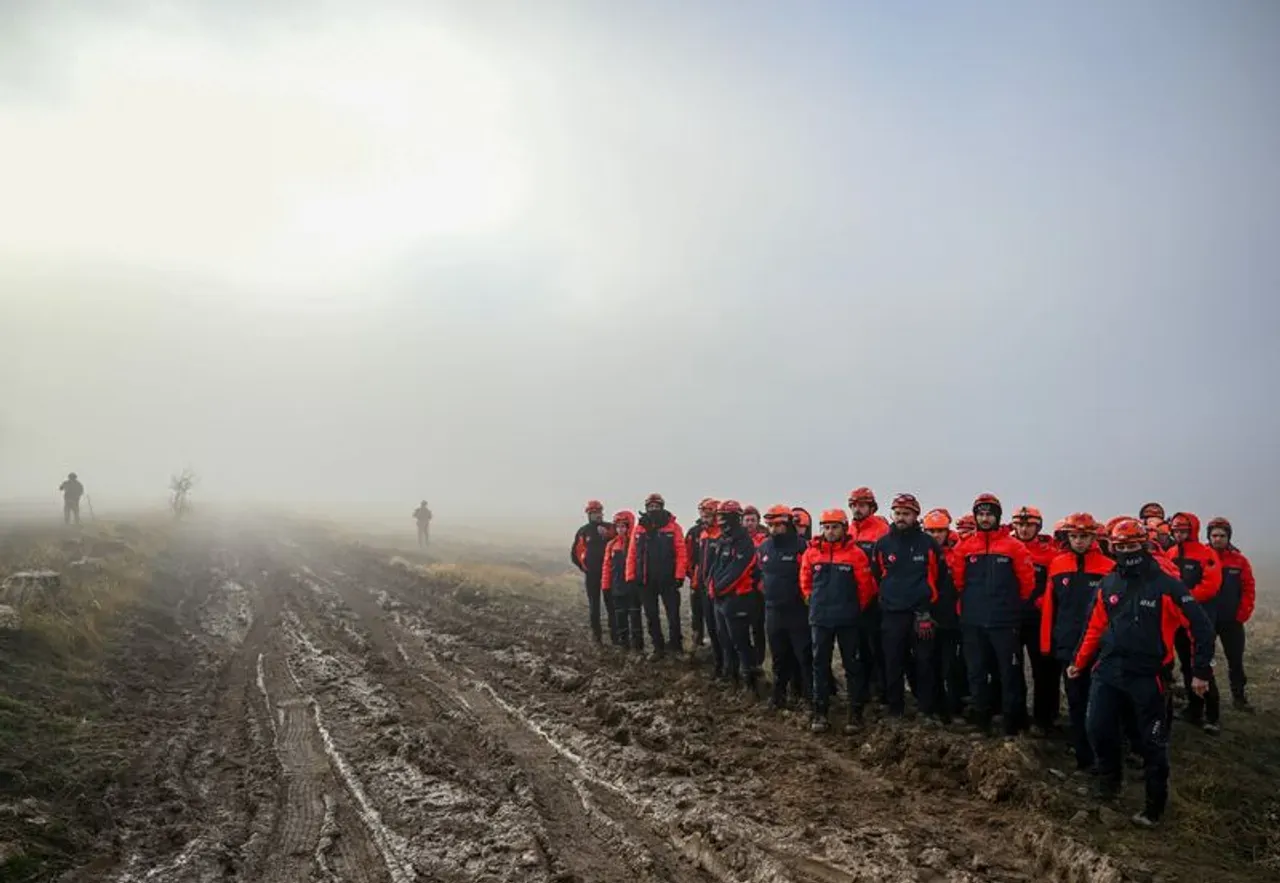
The plane was found about 2 kilometres south of Kesikkavak village in Ankara province's Haymana district.
Autopsy, sleep patterns, maintenance — every detail being scrutinised
As part of the probe, sources said, the area where the aircraft went down has been placed under a security perimeter and taken under protection.
All wreckage pieces, most notably the black box, considered the most critical piece of evidence in the crash, have been secured.
Meanwhile, autopsies and toxicology tests are being carried out to determine the exact causes of death of those on board.
Procedures related to the bodies are continuing at the Ankara Forensic Medicine Institute Group Directorate.
Investigators are also closely examining the pilots’ circumstances prior to the crash.


Anadolu has learned that every detail is being scrutinised, including the crew’s sleep patterns, meals, potential alcohol or medication use, and psychological condition.
Investigation may expand
The prosecutor’s office has also requested reports from technical experts to determine whether the aircraft was fit to fly.
The responsibility and any possible faults of the personnel who performed the aircraft’s most recent maintenance have been placed under close review.
Within the scope of the investigation, airport camera recordings have been seized, and all radio communications between the control tower and the aircraft have been added to the case file.
It was also learned that technical examinations will be appended to the file to determine whether the spare parts installed during maintenance complied with the required standards.
At the same time, samples have been taken both from the fuel tanker and the aircraft wreckage to rule out the possibility of fuel contamination or the use of incorrect fuel.
Local weather reports at the time of the crash have also been requested.
Authorities suggested that if the investigation concludes the crash was caused by a structural failure or a design flaw, the chain of responsibility will be expanded accordingly.