When a US immigration judge told a 28-year-old refugee from East Africa that he was free to leave detention in California after 13 months, he was overjoyed.
Though an asylum request was denied, the judge ruled he could not be deported home because it would put him in danger.
“He told me: ‘Welcome to the US,’” the refugee told The Associated Press, which saw his legal documents. “You are now protected by the US law, so you can leave the centre, work and stay in this country.”
But he was never freed, and instead was later handcuffed and put on a flight to Equatorial Guinea, a country in West Africa that signed a secretive deal with the Trump administration to serve as a transit hub for deported migrants.
He requested anonymity for fear of repercussions, saying he fled his country after being beaten, persecuted and imprisoned because of his ethnicity.
He is among 29 people deported to Equatorial Guinea. The first American pope, Leo XIV, who has criticised the Trump administration's treatment of migrants as “extremely disrespectful," is visiting Equatorial Guinea in April.
At least seven African nations have signed deals with the US to facilitate deportations of third-country nationals, which legal experts said are effectively a legal loophole for the US. Most deportees received legal protection from US judges shielding them against being returned to their home countries, their lawyers said.
Forced to sign document
The US is deporting people to third countries "to circumvent laws that forbid sending a person to a country where their life or freedom would be threatened,” said Meredyth Yoon, litigation director of Asian Americans Advancing Justice, who has helped deportees to Equatorial Guinea. She verified significant parts of the 28-year-old asylum-seeker's account.
“Once deported, these individuals face impossible alternatives: indefinite detention without access to counsel, or forced deportation to the very countries they fled from," she said.
The 29 people deported to Equatorial Guinea were from Ethiopia, Eritrea, Mauritania, Angola, Congo, Chad, Georgia, Ghana and Nigeria, according to their visiting lawyer, who requested anonymity for the time being. He said authorities did not allow him to see most of them.
The 28-year-old refugee said he was deported in January. Before that, he said, Immigration and Customs Enforcement agents pressed him to sign a document saying he wanted to return to his country voluntarily. He said they were surprised he could read it, and quoted one as saying: “I never knew Black people could read and write.”
When he refused, he said he was transferred to Arizona, where he spent five months in a room without windows with several others. Hygiene conditions in the facility were poor, and getting medical attention was “very difficult.”
“One guy in my room became crazy and started shouting and hitting himself because he wanted to go home,” he said.






‘Officers beat me’
An immigration judge denied his asylum claim but granted him protection under US law and the UN Convention Against Torture, which prohibit his return home but would allow his removal to a third country that is deemed safe. “All the people told me that we are going back to Africa,” he recalled.
“I needed to speak with my lawyer, but these ICE officers started using force, they started beating me.”
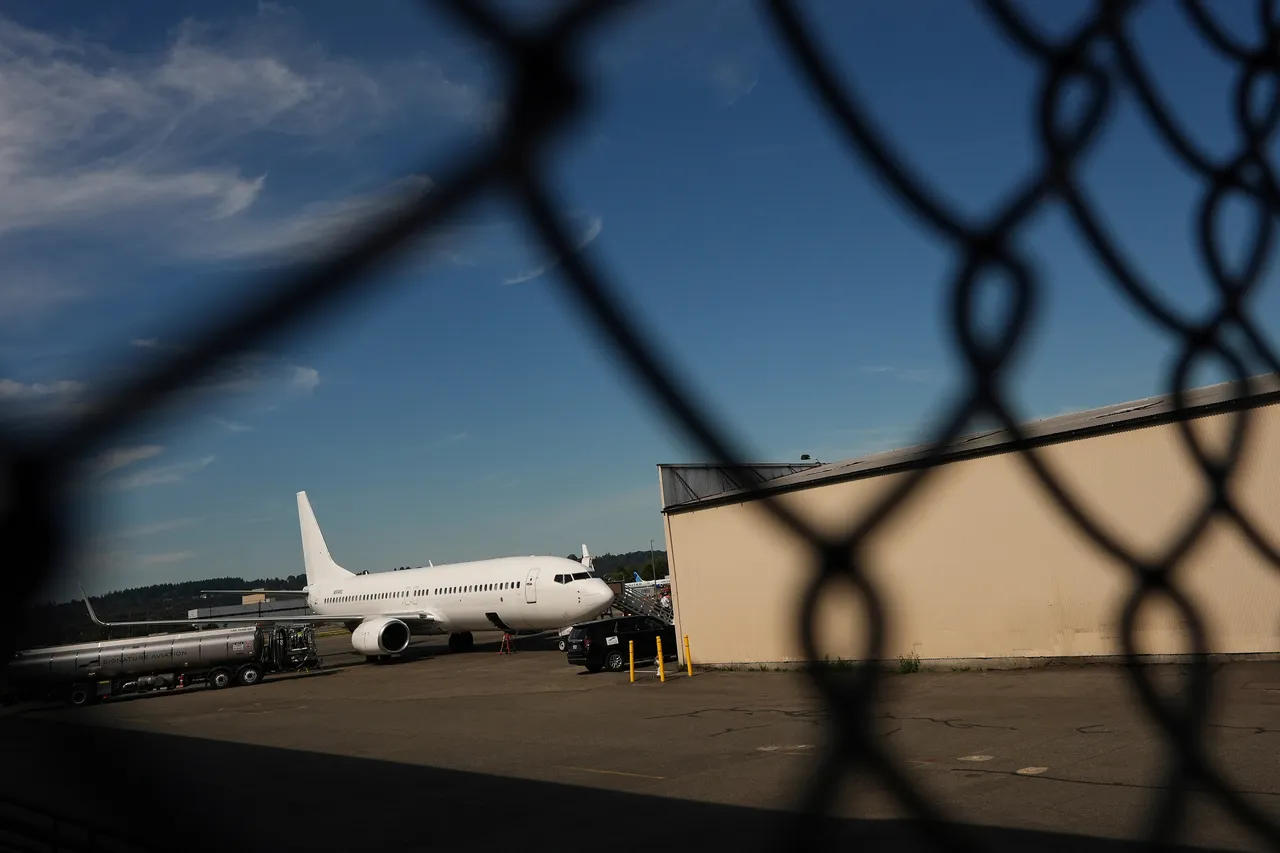
After transfers to California, Texas and Louisiana, he was handcuffed and driven to an airport in the middle of the night.
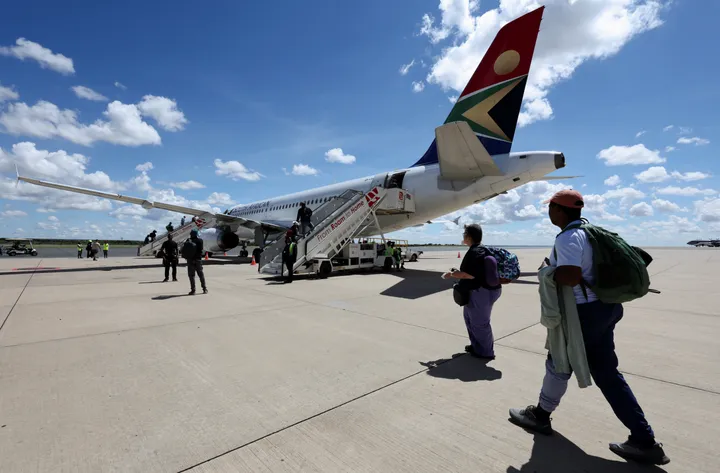
The chartered flight was filled with people like him, he said. When they landed, he discovered they were in Malabo, the capital of Equatorial Guinea.
When asked about his case, a spokesperson for the Department of Homeland Security said ICE officers "did NOT beat, coerce, or use racial slurs” against him, adding that he was “an illegal alien” who “was processed as an expedited removal and was removed to Equatorial Guinea."
”All of these illegal aliens deported to Equatorial Guinea received due process and had a final order of removal," they said.