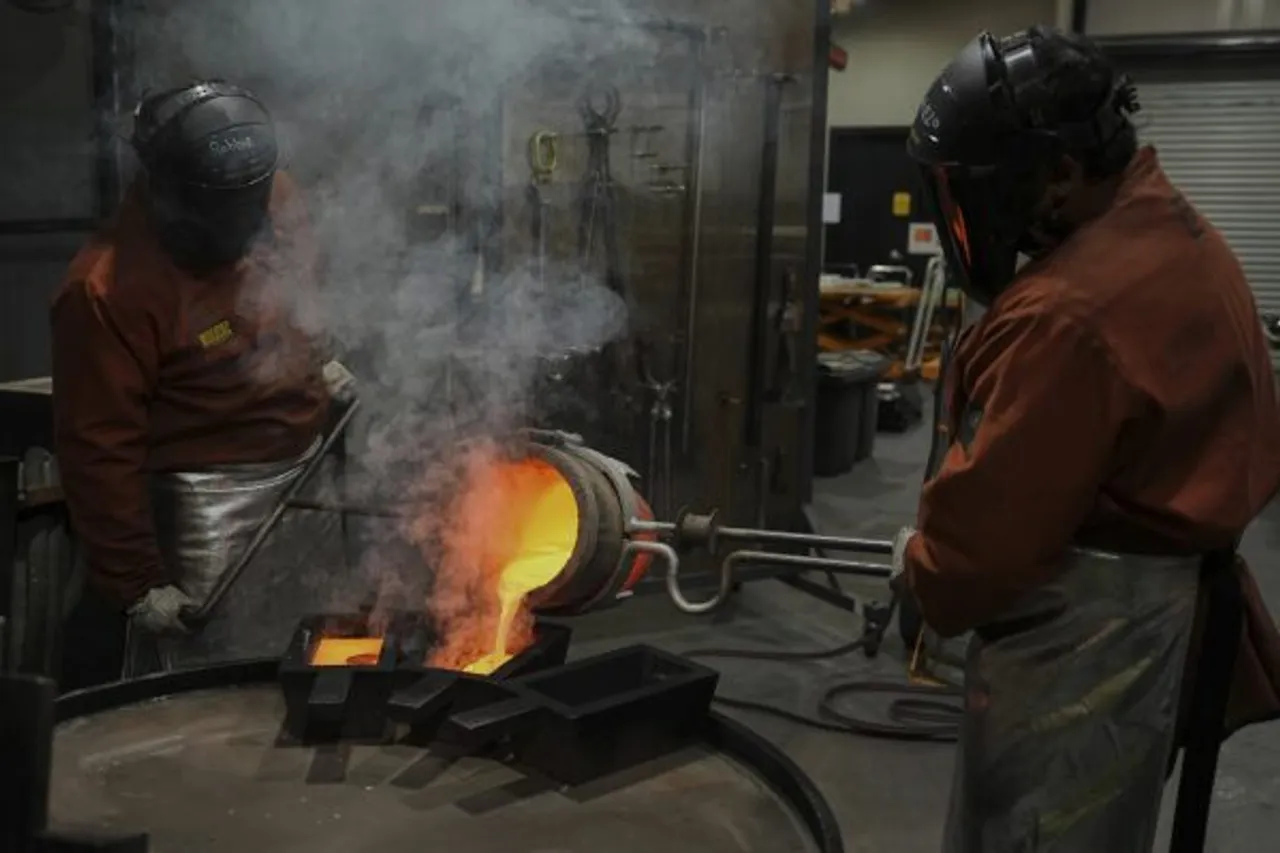
The answer lies in gold`s unique role as a store of value, a hedge against risk and a symbol of trust when faith in the political and financial system weakens Gold is often described as a safe haven asset.
Unlike currencies , it is not issued by any government .Unlike bonds , it does not depend on the credibility of the borrower and unlike stocks its value is not tied to corporate earnings or economic growth .
Political upheaval introduces uncertainty about borders , trade routes, energy supplies and even the future of governments themselves.
Investors , businesses and central banks respond by reducing exposure to riskier assets such as equities or emerging- market currencies .
Capital flows instead toward assets perceived as stable and universally accepted .Gold fits that description better than almost any other commodity.
From Donald Trump’s return to power in 2024 to growing trade war tensions and geopolitical conflicts, global markets have become more volatile. In uncertain times like these, gold is treated as a financial bunker, a place to wait out the storm.
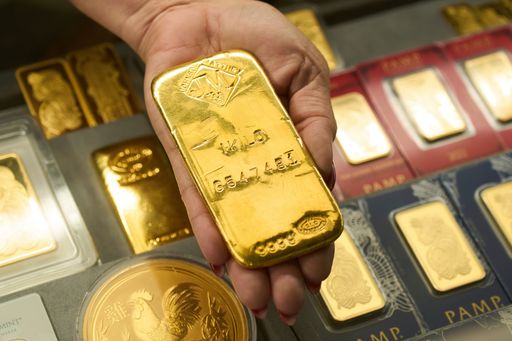
The safe-haven effect
In stable times, this makes it a drag, lagging behind booming equities. But when politics ignite chaos, think sanctions, coups, or election shocks, those traits flip into superpowers.
Capital flees riskier bets like emerging-market bonds or volatile tech shares, flooding into assets that scream reliability. Gold fits perfectly, universally accepted, impossible to inflate away, and portable across borders.
Recent headlines underscore this. Just weeks ago, amid Trump's tariff threats on Greenland and pressure on the Fed, gold shattered records above $4,600 an ounce, its sharpest surge in years. Investors aren't betting on gold's "yield"; they're escaping the unknown.
Recent events show this clearly. When political tensions rose over new tariffs and pressure on central banks, gold prices surged to record highs. Investors were not looking for income or dividends; they were protecting themselves from risk.
When currencies collapse
Nothing pushes gold higher faster than a weakening currency. Political crises often trigger sanctions, debt problems, and emergency spending. Governments respond by printing money, which erodes purchasing power.
Gold moves in the opposite direction. Priced globally in U.S. dollars, it tends to hold its value when local currencies fall. This is why gold becomes especially attractive in countries facing inflation or currency instability.
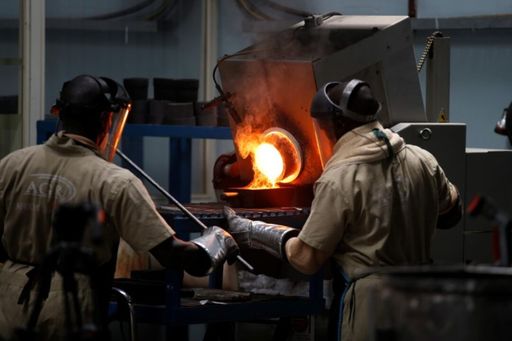
Central banks understand this well. China has steadily increased its gold reserves since 2013, adding more than 1,000 tonnes by 2023. Russia and India have followed similar paths. These purchases are not speculation they are insurance against reliance on the U.S. dollar and Western financial systems.
In 2025, central banks bought gold at record levels, reflecting a wider push toward financial independence as geopolitical tensions continue.








Inflation and supply shocks
Political instability often brings inflation with it. Wars disrupt supply chains, raise energy prices, and increase government spending. To cover costs, states expand the money supply, weakening savings.
Gold offers protection because its supply grows very slowly, only about 1–2% per year through mining. Unlike currencies, no central bank can create more gold overnight.
Governments print money to plug gaps, eroding savings. Gold counters this ,its supply creeps up at 1-2% annually via mining, immune to central bank fiat machines.
Historically, when inflation outruns bond yields, gold rallies. Today's brew; Middle East flares, U.S.-China tariffs promise more of the same, sustaining elevated prices .
Economists now eye gold hitting $3,150 an ounce by 2051 under Trump's policies, fueled by deregulation and trade friction that could stoke global inflation.
This isn't hype, it is pattern recognition. Prolonged instability doesn't just spike prices short-term it entrenches gold as a portfolio.
The psychology of fear
Beyond economics, gold benefits from human psychology. For thousands of years, gold has symbolized security from ancient empires to modern crisis survivors. When fear spreads, people instinctively return to what has worked before.
The Brexit vote in 2016 is a clear example. The British pound fell sharply overnight, while gold prices jumped not because of new data, but because of fear and uncertainty.
Lessons from recent crises
The 2022 freezing of Russian foreign reserves sent a powerful message to the world. Financial assets held abroad can be seized. Gold, stored domestically, cannot.
As a result, many countries accelerated their gold accumulation. Trade conflicts between the U.S. and China, sanctions, and geopolitical rivalry have all reinforced gold’s role as a neutral store of value.
The long-term outlook
These political shifts are not temporary. Trust in global institutions has weakened, and reliance on traditional safe assets is being questioned. Central banks are buying more gold than mines can supply, a trend expected to continue through the next decade.
Forecasts suggest gold prices could rise further as instability becomes the new normal. Gold may be old-fashioned, but history proves its value. When politics destabilize markets and money loses credibility, gold remains what it has always been. A durable bet on trust.
The author, Hafsa Abdiwahab Sheikh, is a freelance journalist and researcher focusing on East African politics.
Disclaimer: The views expressed by the author do not necessarily reflect the opinions, viewpoints and editorial policies of TRT Afrika