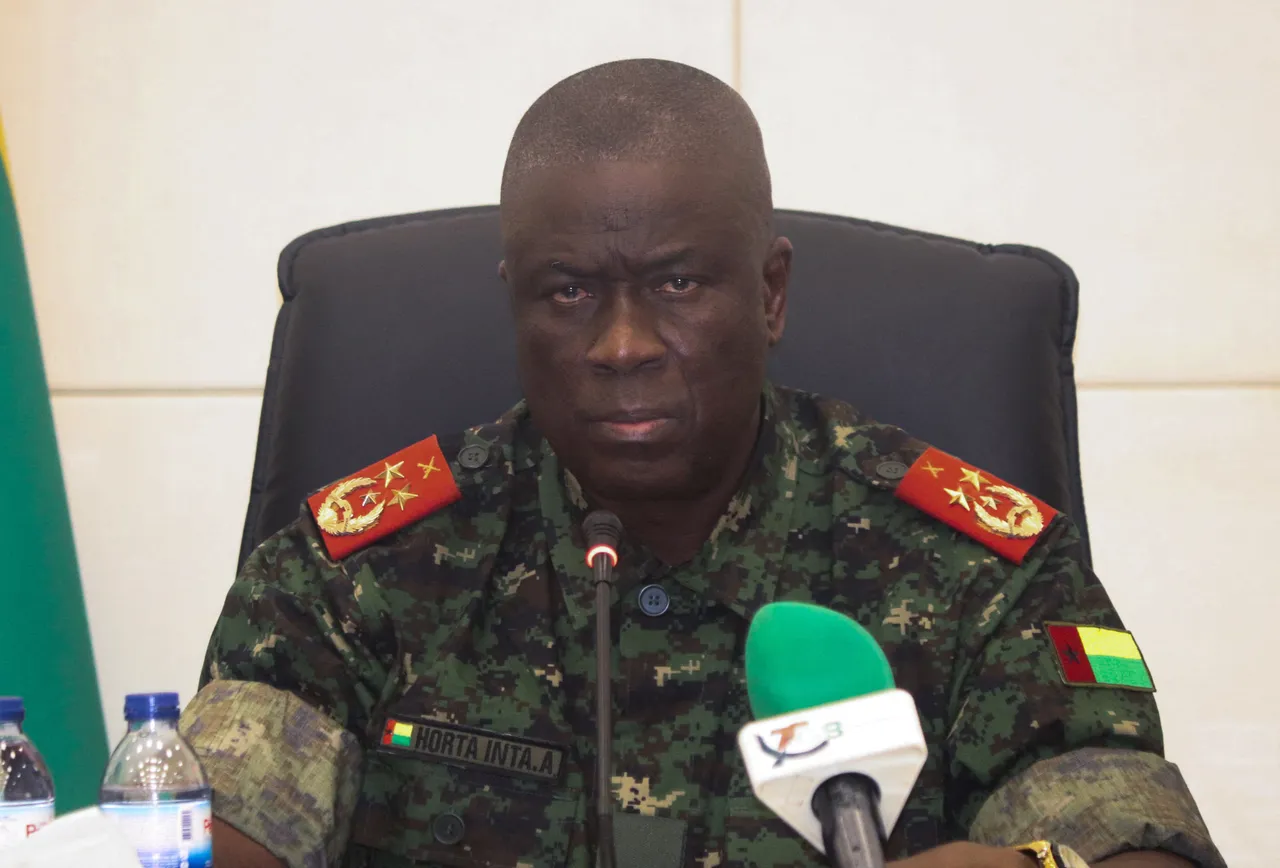
Guinea-Bissau's government on Friday announced it was banning all unauthorised press conferences and public statements, some six weeks after coming to power in a post-election coup.
After ousting leader Umaro Sissoco Embalo on November 26, just after the presidential vote, the army suspended the electoral process and announced it was taking control of the West African country for one year.
On Friday, the High Military Command, the country’s governing body, said in a statement "some individuals and ethnic groups, particularly political figures, have promoted secret meetings and used those to incite violence and disobedience", including to the country's transitional charter.
The charter was published in early December and is intended to provide a legal framework for the country's period under military rule.
Violators to be 'severely' punished
The High Military Command said that it "expressly prohibited the holding of any press conferences or public statements that are not authorised and that jeopardise peace and social cohesion".
"Any person or entity that challenges the public order decreed by the transitional authorities will be severely reprimanded, in compliance with the law," the statement said.
After toppling Embalo, the military government originally alleged drug barons were conspiring to sow chaos in the country, which is a cocaine-trafficking hotspot.
But in early December, authorities said instead that the country faced a "grave" political situation in the wake of the ballot "which could degenerate into a civil war with ethnic undertones".
Before November's coup, Guinea-Bissau had already undergone four military takeovers and a litany of attempted insurrections since gaining independence from Portugal in 1974.