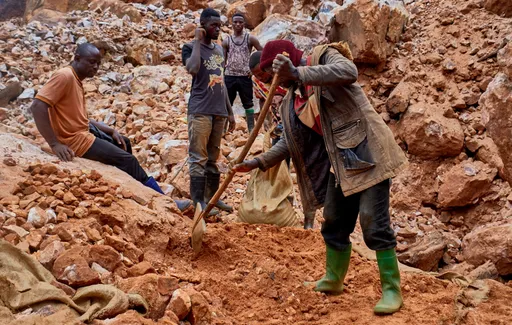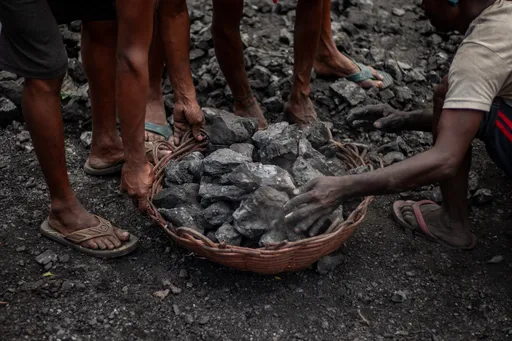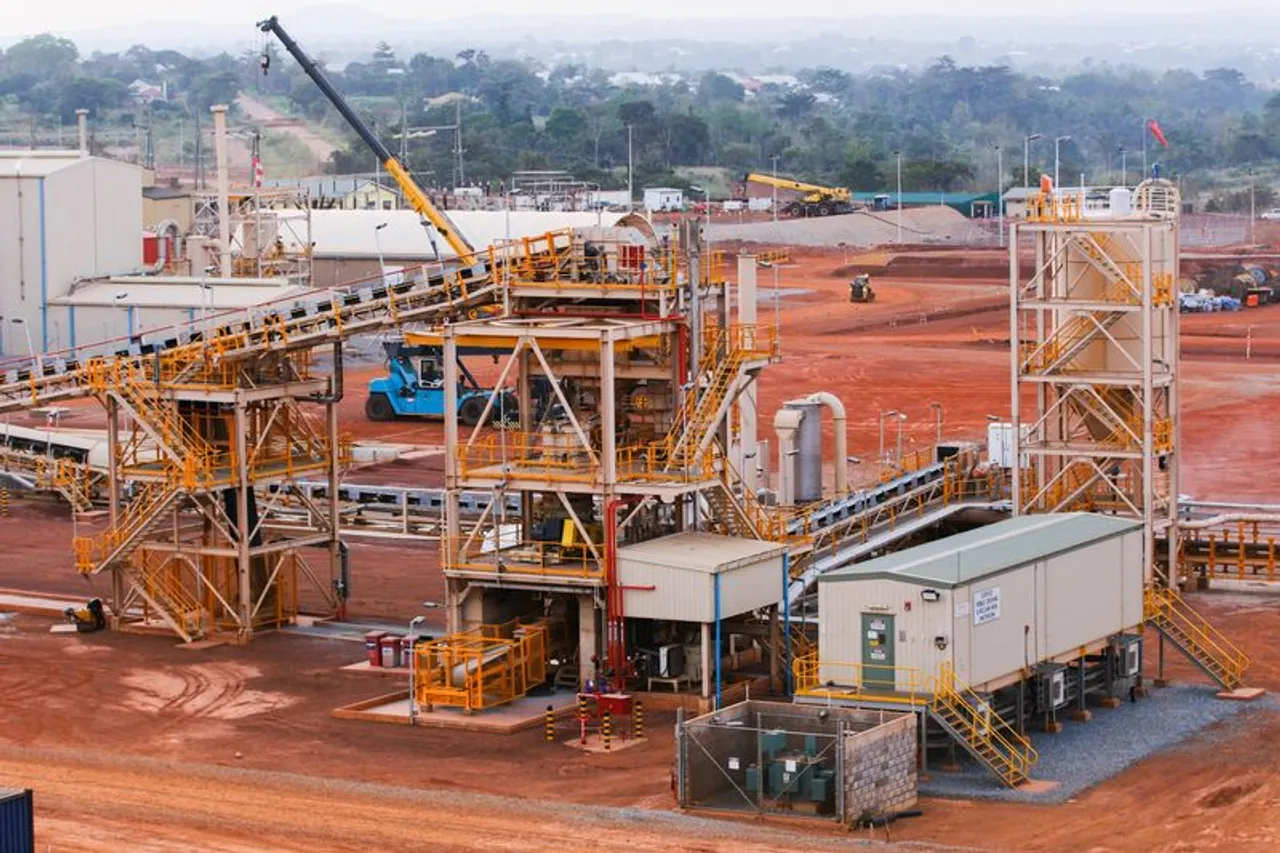
Ghana is preparing to overhaul its mining laws to secure a bigger share of revenues from soaring gold prices, with authorities saying the current framework no longer reflects market realities or national interests.
“What we have since 2014 is a policy that has not been reviewed,” Isaac Andrews Tandoh, acting chief executive officer of the Minerals Commission, told AFP. “We had to do something to bridge this gap.”
The planned reforms would revise a mining code that regulators say offers foreign mining companies favourable tax and royalty terms, leaving the state with a limited stake in a sector that remains central to Ghana’s economy.
The west African nation says it is seeking tighter control over its natural resources as global demand for gold and other critical minerals continues to rise, following similar moves by countries including the Democratic Republic of Congo, Mali and Tanzania.
Climbing gold prices
Gold prices have surged sharply, jumping more than 65 percent in 2025 and climbing to record highs above $5,100 on Monday.






Ghana, the world’s sixth-largest gold producer, relies heavily on foreign firms for production, including US-based Newmont, South Africa’s Gold Fields and AngloGold Ashanti, and Australia’s Perseus Mining.
Under proposed reforms expected to be presented to parliament by March, mining royalties would increase from the current three to five percent range to between nine and 12 percent, depending on global gold prices, Tandoh said.
Ghana’s mining agreements typically lock in fiscal terms for between five and 15 years in exchange for large-scale investments that can exceed $500 million to develop or expand mines.
However, regulators say some companies have failed to honour those commitments.
“We have seen companies with development agreements that refuse to develop the mine and instead use revenues from Ghana to acquire assets elsewhere,” Tandoh said.
The proposed changes would scrap development agreements entirely and review stability clauses that shield investors from future policy changes, a move authorities say reflects Ghana’s growing experience and confidence in managing its mining sector.