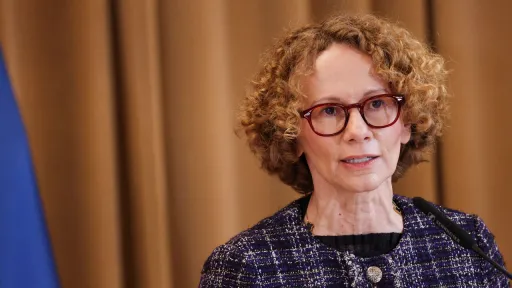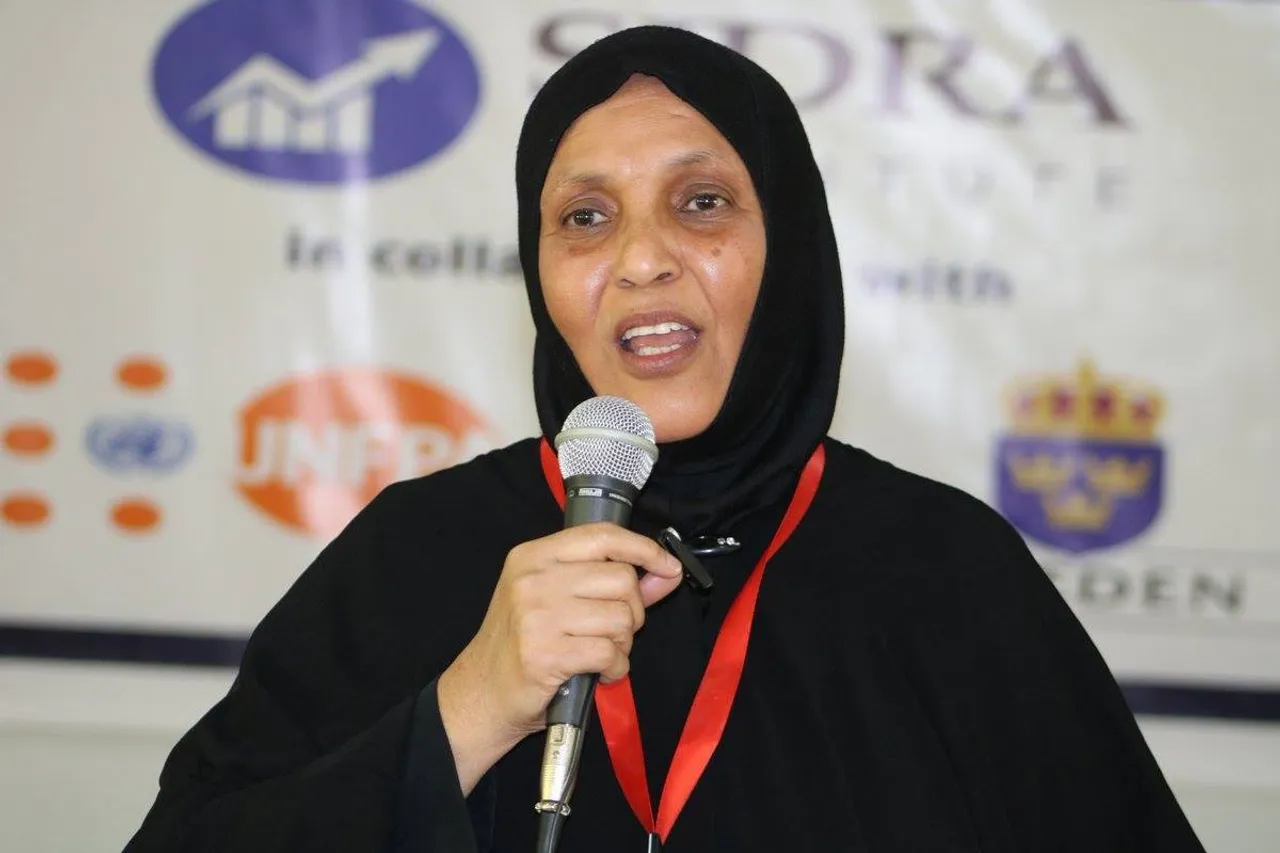
Former Somali Minister Dr Maryan Qasim Ahmed was elected on Wednesday as chairperson of Somalia’s Independent Human Rights Commission, the first such body in the country’s history, in a landmark step toward national ownership of human rights oversight.
The election, held during a commission session in the capital, Mogadishu, completes the final institutional phase needed to operationalise the body, which is mandated to document human rights violations, support victims, and advise the government on rights-based governance.
Born in 1959 in Baardheere, Dr Qasim is a medical doctor and veteran public official with decades of experience spanning health, humanitarian response, and government. She trained in medicine and surgery at Somali National University and later pursued advanced studies in Germany and the Netherlands, earning a master’s degree in public health from the University of Warwick in the United Kingdom.
Dr Qasim has held several senior cabinet posts, including ministerial roles overseeing women and family affairs and social development, and has worked closely with international organisations in Somalia.
First National Human Rights Commission


The commission’s establishment follows President Hassan Sheikh Mohamud’s signing into law in early December 2025 of legislation creating Somalia’s first National Human Rights Commission, a key milestone in a years-long reform process aimed at transferring human rights oversight to national institutions.
The law was approved after Somalia’s Council of Ministers, by majority vote, endorsed nine nominees to the National Independent Human Rights Commission, as submitted by the Minister of Family and Human Rights Development and later granted presidential assent.
The move comes amid a broader transition in Somalia’s human rights architecture. In October 2025, the 60th session of the UN Human Rights Council concluded with the end of the mandate of the UN Independent Expert on the human rights situation in Somalia, following a request by the Somali government under its Human Rights Transition Plan.
A month earlier, Somalia’s cabinet, in a meeting chaired by Prime Minister Hamza Abdi Barre, unanimously backed ending the UN mandate, arguing that national institutions were ready to assume full responsibility for human rights monitoring and protection.
Civil society groups have long called for the creation of an independent national authority, saying it would strengthen accountability, improve documentation of abuses and provide a sustainable framework for rights protection under Somali leadership