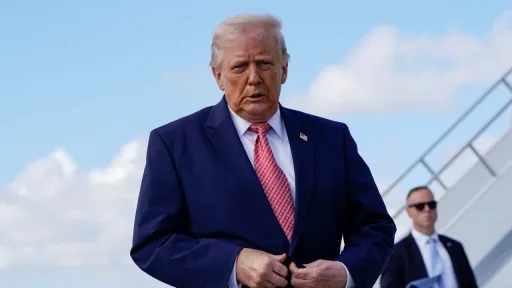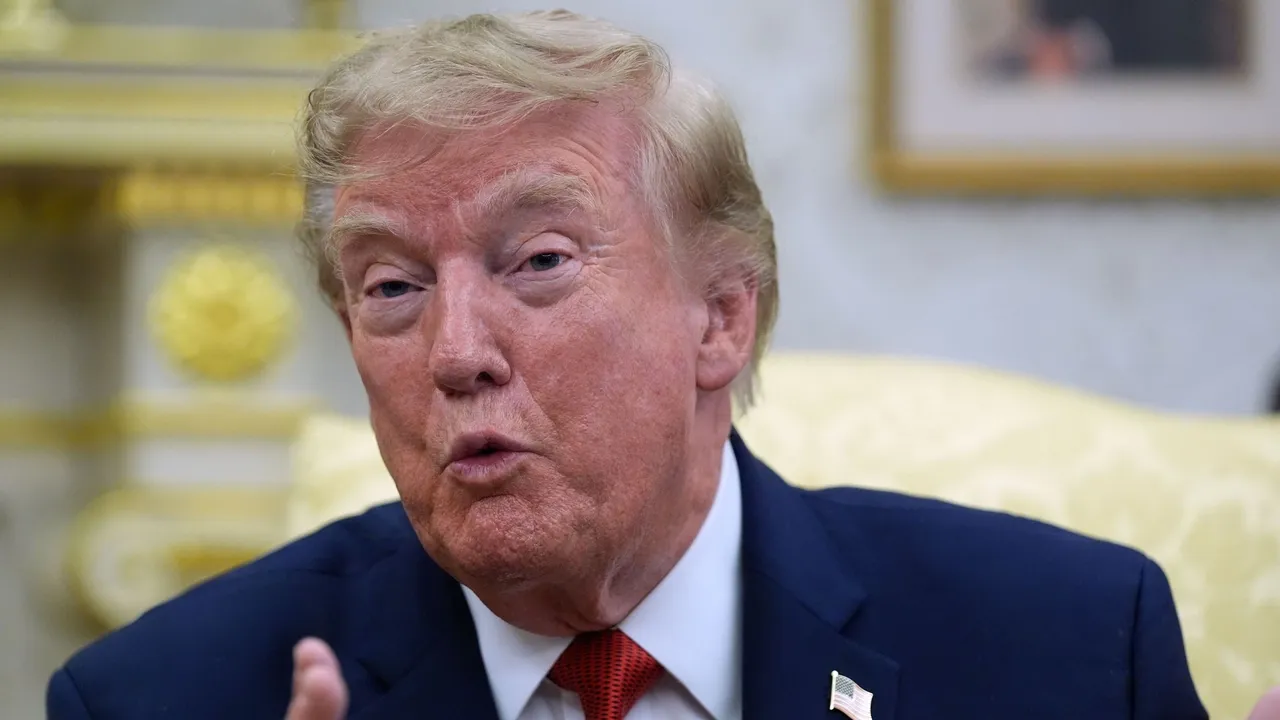
US President Donald Trump has asserted that the federal government maintains extensive oversight authority over artificial intelligence companies, claiming that a coordinated campaign in the US against technological infrastructure primarily benefits China.
"The only control or 'guardrails' that AI needs is a strong and smart (high IQ!) president, and the USA has that, in spades," Trump wrote on Monday on his social media platform Truth Social, hitting back against growing calls for increased regulation of the sector.
The US president argued that his administration has intervened to prevent tech executives from pursuing potentially damaging initiatives, singling out Anthropic CEO Dario Amodei for "pretending to be a 'perfect little angel'" amid escalating industry debates over the pace of AI development.
Trump said Washington holds "tremendous criminal and regulatory power" over tech enterprises, alleging that critics are waging a "sick conspiracy" targeting artificial intelligence systems and data centers that only satisfies Chinese interests.
Warning what he called "conspiracy theorists, treasonists, traitors, and leakers," Trump affirmed that the US leads global competitors and will maintain dominance because "whoever wins AI, wins!"
Global tech stocks fell on the calls to hit the brakes on AI, which has fuelled fears that super-intelligent computer systems could go rogue and wipe out humanity by creating pathogens or triggering nuclear war.
Like a 'Trojan horse'
Also addressing the issue, US Vice President JD Vance confirmed that advanced technology brings concerns, telling reporters that the administration wants “to make sure that we actually regulate smartly and we're thoughtful about the risk here."
Vance characterised corporate lobbying for state restrictions as potentially disingenuous, adding: "You have so many frontier AI tech companies coming to the government and begging the government to regulate them, it feels a little bit to me like a bit of a Trojan horse."
He stressed that Washington must remain careful while maintaining its advantage against China.
Trump's words built on his resistance on Sunday to slowing down artificial intelligence development at home, as he said maintaining technological dominance over Beijing remains essential for global leadership.
Trump dismissed safety warnings as hypothetical issues pushed by "a lot of negative forces" that will never materialise.
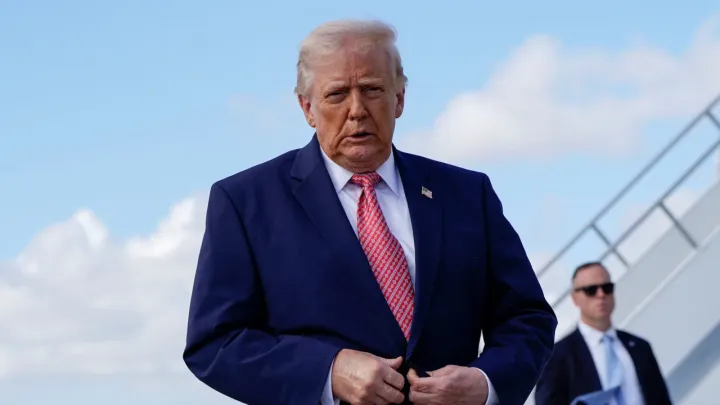






While acknowledging that authorities "can put guardrails" on technological systems, Trump maintained that his primary objective centers on preserving America's edge.
China, meanwhile, urged nations to foster an inclusive environment rather than engaging in malicious competition.
Chinese Foreign Ministry spokesperson Guo Jiakun said that technological progress affects the "common well-being of all humanity," urging nations to advance an "open, inclusive and universally beneficial" environment rather than engaging in "malicious competition" that damages global governance.
China's spy chief warned on Sunday that artificial intelligence endangers the country's national security, saying foreign powers could use the technology to threaten social order.
Minister of State Security Chen Yixin wrote in an article that AI was now "the main battleground for global technological competition and a new track for major power strategic rivalry".
He singled out Anthropic's Claude Mythos and OpenAI's ChatGPT-5.5-Cyber for their advanced hacking capabilities that potentially "pose serious risks to China's critical information infrastructure".
Debate over pace of AI development
The international friction coincides with growing calls across the tech industry to moderate the speed of model deployment.
Amodei released a public essay Saturday proposing that firms deliberately slow the rate of capability growth to ensure safety protocols keep pace with advanced systems.
The proposal drew support from OpenAI CEO Sam Altman, who confirmed that his company would adopt similar measures.
Google Deep Mind Chief Executive Demis Hassabis and tech entrepreneur Elon Musk have likewise endorsed a more measured pace for frontier models amid mounting concerns over cyber intrusions, propaganda operations, and dual-use biological risks.