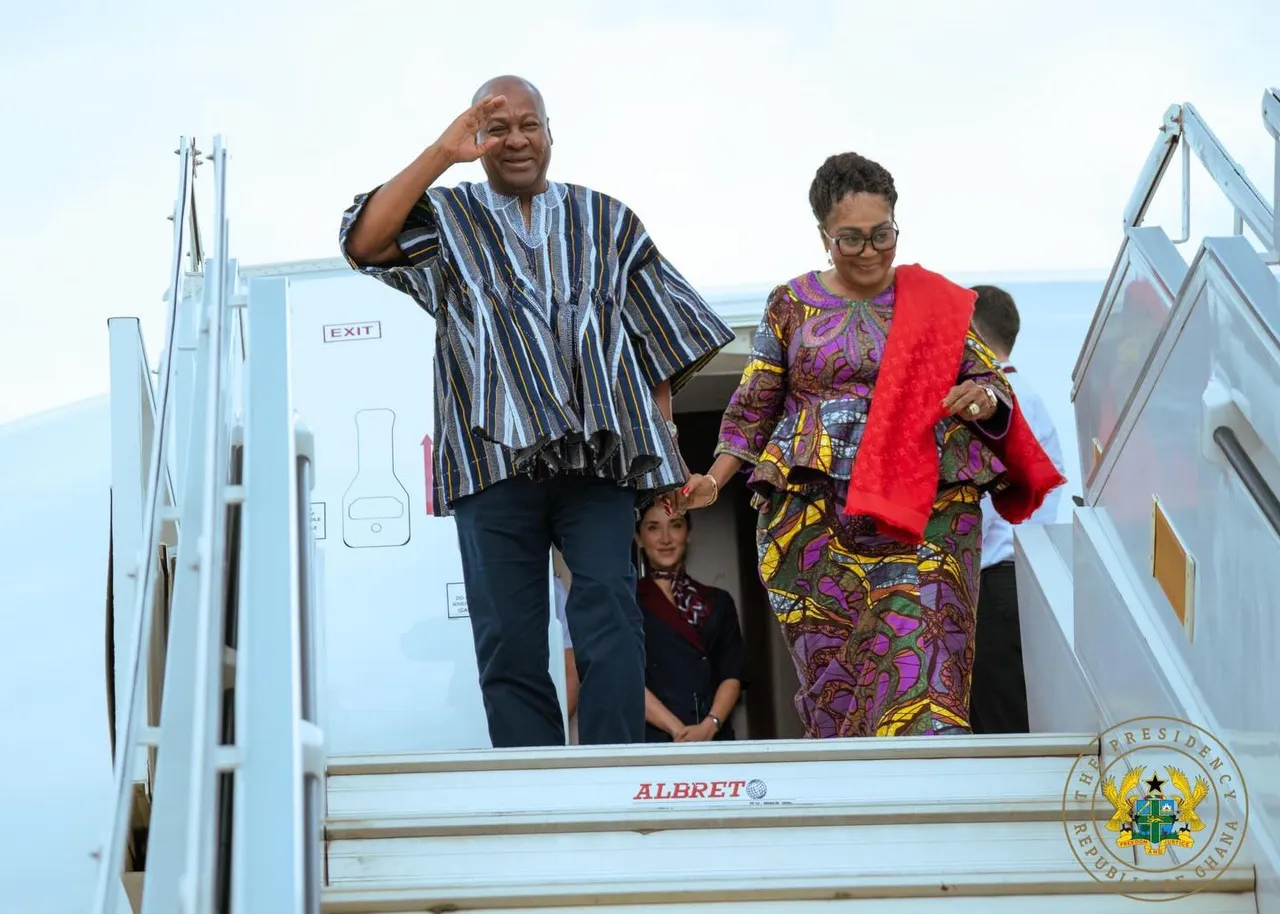
Social media has been abuzz after many Zambians became curious about one iconic Ghanaian attire – the fugu. What sparked the debate is a visit to Lusaka by Ghana's President, John Dramani Mahama, wearing the fugu attire, prompting some to wonder why he donned such dress.
Then many Ghanaians flooded social media wearing the fugu, highlighting its significance in the West African country.
Ghana's fugu attire, also known as Batakari, is a traditional smock originating from the northern part of the country, particularly among the Dagomba, Konkomba, Mamprusi, Gonja and other ethnic groups.
This locally handwoven garment is made from thick cotton strips, carefully stitched together to create a loose-fitting, tunic-style attire.
Peter Adagwine, 44, has been wearing fugu “since infancy”, having been born in the Northern Region's city of Tamale, and grew up donning the iconic attire including in school.
“It was mandatory to have one in my senior secondary school located in Tamale for purposes of cultural integration,” Adagwine, who is now a public servant based in the capital Accra, tells TRT Afrika.
The fugu is different from kente, which, perhaps, is the most internationally recognised traditional Ghanaian attire, having been added to the UNESCO List of Intangible Cultural Heritage of Humanity to ensure its global protection.
Hunters and warriors
However, just like the kente, the fugu has deep cultural significance, representing identity, unity, and heritage. It's often worn during important social and cultural events like festivals, weddings, and naming ceremonies, signifying respect and status.
Traditional leaders and elders don heavily embroidered versions to denote authority, leadership, and royalty.
Historically, the fugu was worn by hunters and warriors for its strength and spiritual symbolism. Ghanaian political leaders, including presidents, have been wearing fugu during public functions over the years.





“In modern days, wearing the smock has become very fashionable and accepted by almost all of Ghana. Women too make dresses out of the fabric. The late President Jerry John Rawlings and the current President (John Mahama) have done a lot to promote the wearing of the smock,” Adagwine observes.
Each thread and dye was imbued with meaning, with indigo symbolising endurance and wisdom, while black is a sign of protection and ancestral power. The attire's design, with broad shoulders and flaring sides, allows for freedom of movement.
Artistry and economy
“It is easy to wear, and you do not need any form of ironing. Modernity has also improved the making of the fabric for the smock with various colour combinations to get a variety of attractive designs. This has made many people opt for these modern designs and colours,” he says.

The making of a fugu is a craft, involving men operating looms to spin cotton into narrow strips, while women dye and finish the fabric using natural plant-based pigments. This process ensures sustainability and authenticity.
The fugu has transcended regional boundaries, becoming a symbol of Ghanaian tradition and pride, increasingly integrated into modern fashion.
The vibrant handwoven fabric and unique design make it a timeless garment, serving as a testament to Ghanaian artistry, national identity, and economic self-reliance.
“It has widely been accepted in modern days as a fashionable piece of dressing and a huge source of revenue making for those who make the fabric and smock, thus a source of employment for many,” Adagwine notes.