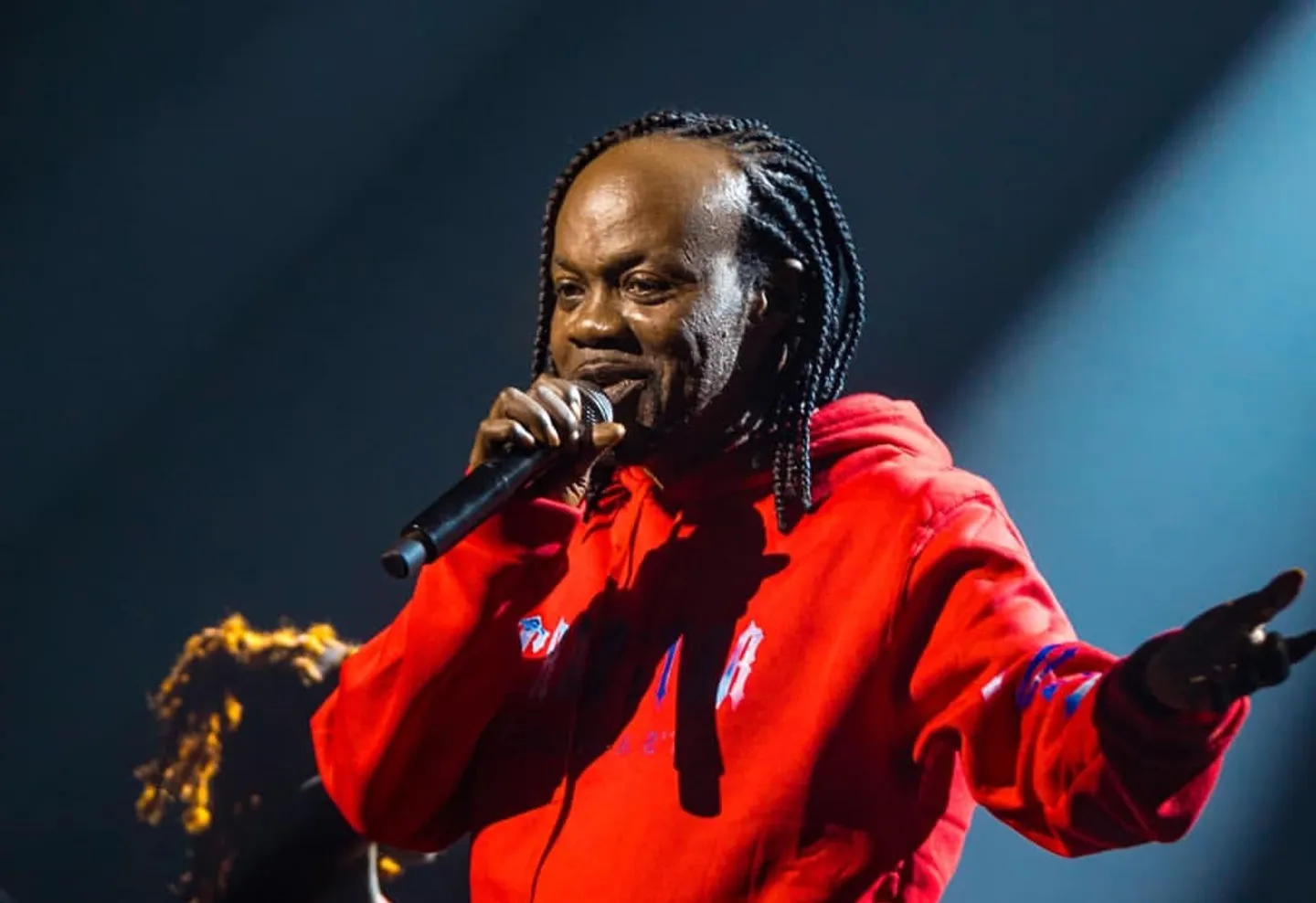
The funeral of Ghana’s music icon Charles Kwadwo Fosu, known by his fans as Daddy Lumba, over the weekend wasn't the sombre, heavy feeling that may have been expected, as thousands streamed into the Baba Yara Sports Stadium to bid farewell to their music idol.
The death of the legendary entertainer, aged 60, on Saturday, July 26, in Accra triggered an outpour of grief and tributes.
Ghanaian President John Mahama, in a post on X, described Lumba as a "music legend."
“Lumba’s unmatched musical genius provided the soundtrack to our lives, carrying us through various phases of life. The beats to his memorable songs may have died down, but his enduring legacy will echo through the ages,” Mahama wrote in his tribute.
Cross-generational influence
For over four decades, Lumba's music served as the emotional chronicle of a generation, touching on the universal themes of love, loss and resilience.
At his funeral, these very themes blared from the speakers playing his music, transforming the stadium grounds into a sanctuary where lyrics became a language too powerful for speech.
"I have listened to this song for years but today, it feels like he is talking directly to us," one mourner remarked, tears tracing paths down her face, highlighting how Daddy Lumba’s lyrics carried a profound, personal weight, especially since news of his death.



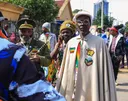
When a song concluded, the response wasn't silence but a burst of applause. Ernest Nana Acheampong, Lumba's long-time friend and collaborator, took the stage; his performance was steeped in grief, yet driven by the shared memories embedded in the music they both shared.
Daddy Lumba's influence was vast, shaping the very fabric of Ghanaian music and transcending generations. His journey into the limelight began in 1989 with his debut album, Yee Ye Aka Akwantuom, a collaboration with veteran highlife musician Nana Acheampong under the moniker Lumba Brothers.
Carnival-like celebration
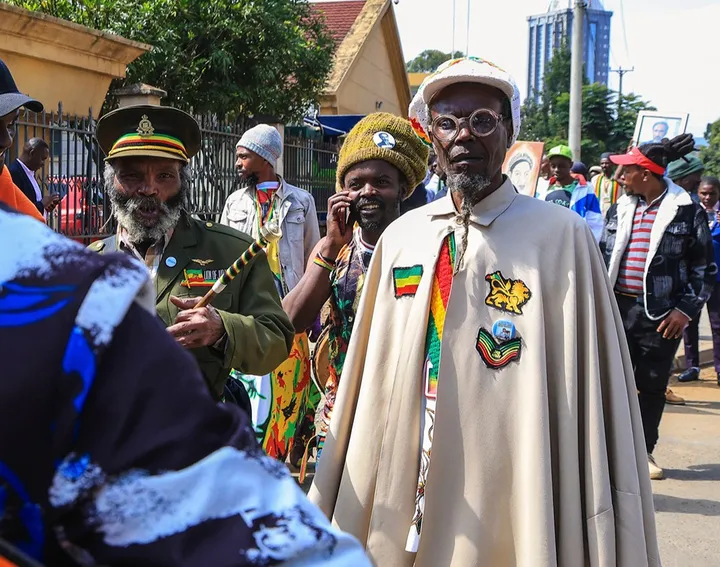
A torrential, hour-long downpour briefly interrupted the funeral proceedings, but it failed to dampen the spirit. Instead of leaving, crowds grew larger after the rain subsided; mourners spontaneously broke into dance, transforming the sombre occasion into a carnival-like celebration of Daddy Lumba’s life.
In a career spanning more than four decades, Daddy Lumba produced an astounding discography of over 33 albums and more than 200 songs.
Lumba was famous for his musical style and signature hits, which blended traditional highlife with modern instrumentation, pairing romantic ballads and socially reflective themes.
He was a recipient of multiple Ghanaian awards and recognition, including Artist of the Year, Best Album, and Most Popular Song from the Ghana Music Awards.