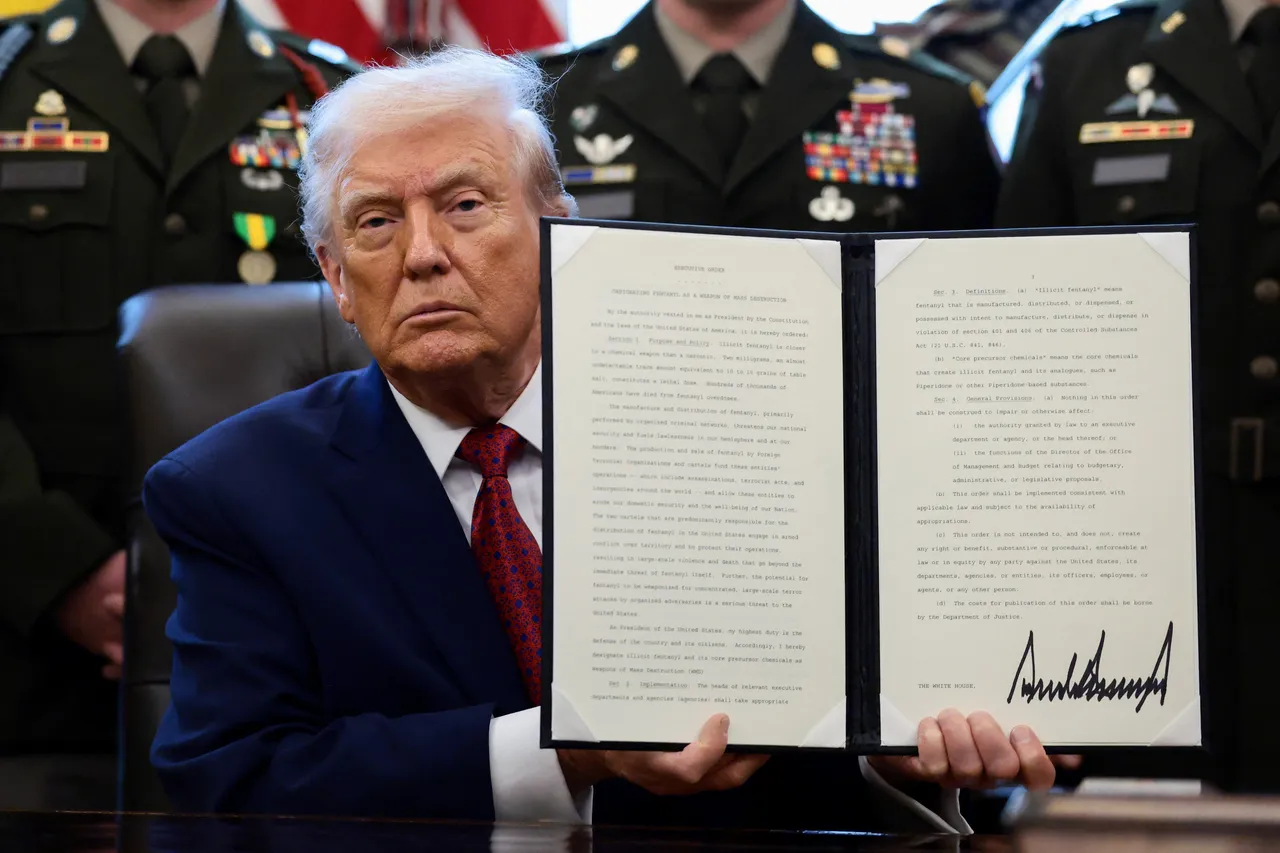
US President Donald Trump expanded a list of countries subject to a full travel ban, prohibiting citizens from an additional seven countries from entering the United States.
The White House said in a statement on Tuesday that Trump signed a proclamation "expanding and strengthening entry restrictions on nationals from countries with demonstrated, persistent, and severe deficiencies in screening, vetting, and information-sharing to protect the Nation from national security and public safety threats."
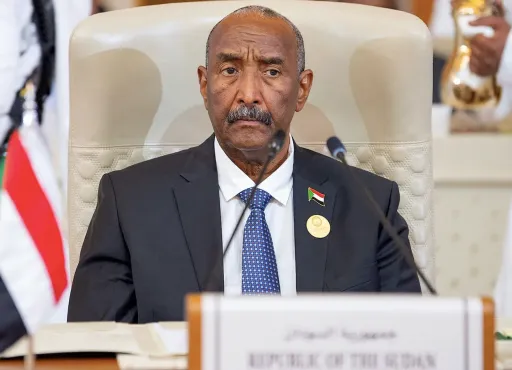
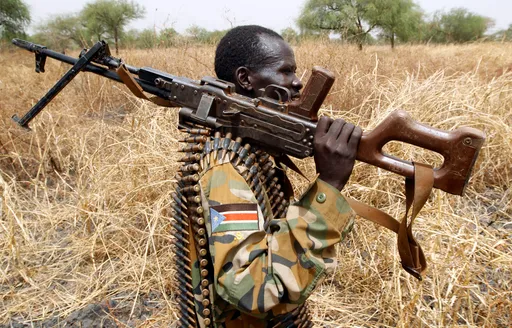
Tuesday's move banned citizens from Burkina Faso, Mali, Niger, South Sudan, Syria and those holding Palestinian Authority-issued travel documents. The action also imposes a full ban on Laos and Sierra Leone, which had previously only been subject to partial restrictions.
The White House said the expanded ban goes into effect on January 1.
Ban proclamations
The White House cited visa overstay rates for Syria in its justification for the ban.
"Syria is emerging from a protracted period of civil unrest and internal strife. While the country is working to address its security challenges in close coordination with the United States, Syria still lacks an adequate central authority for issuing passports or civil documents and does not have appropriate screening and vetting measures," the White House said.




Trump signed a proclamation in June banning the citizens of 12 countries from entering the United States and restricting those from seven others, saying it was needed to protect against "foreign terrorists" and other security threats. The bans apply to both immigrants and non-immigrants, such as tourists, students and business travelers.
The travel ban remains on those twelve countries, the White House said.
Trump also added partial restrictions and entry limitations on an additional 15 countries, including Nigeria, which is under scrutiny from Trump, who in early November threatened military action over the treatment of Christians in the country.
Nigeria says claims that Christians face persecution misrepresent a complex security situation and do not take into account efforts to safeguard religious freedom.
Since returning to office in January, Trump has aggressively prioritised immigration enforcement, sending federal agents to major US cities and turning away asylum seekers at the US-Mexico border.