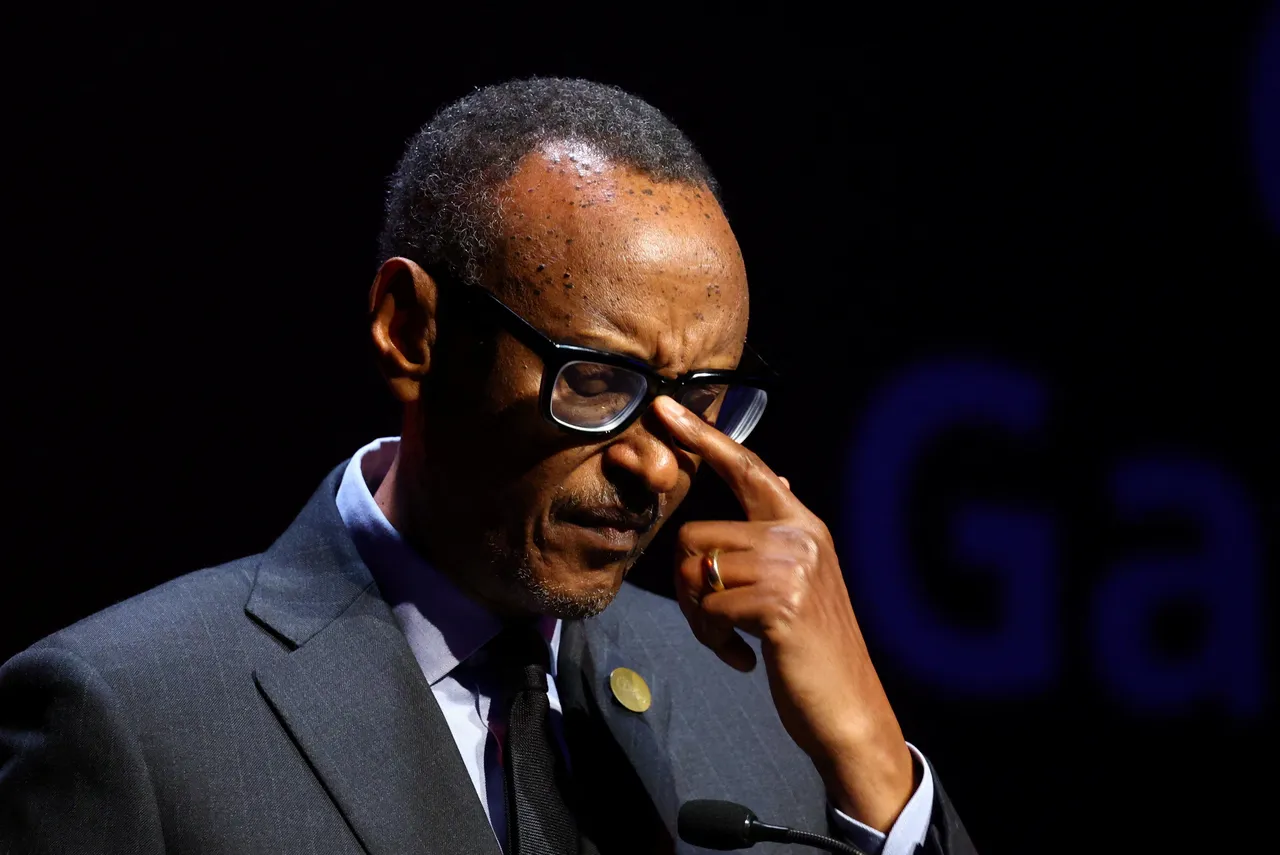
Rwandan President Paul Kagame has said the country's tensions with the Democratic Republic of the Congo are not motivated by the exploitation of Congolese resources or a desire to seize territory.
In remarks at the opening of the annual national dialogue in the capital, Kigali, on Thursday, Kagame said: "The problem that Rwanda has with the Congo is mainly about the FDLR presence there, security threats, as well as the genocidal ideology."
The president was referring to the Democratic Forces for the Liberation of Rwanda (FDLR), an armed group active in eastern Congo whose elements are blamed for the genocide against the Tutsi ethnic group in 1994.
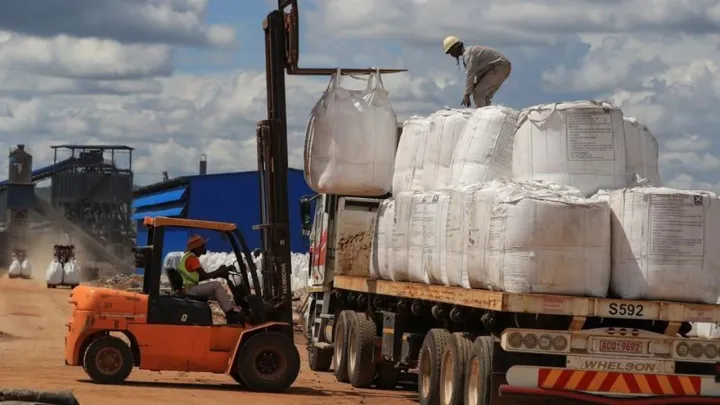
“It is not about minerals; that one is aside for sure...If we were really in the Congo for minerals, Rwanda would be a hundred times richer than it is today.”
Defiant stance
In response to threats of international sanctions over the Congo conflict, Kagame took a defiant stance, claiming that the international community is to blame for the region's decades-long conflict.
“You can’t create problems for me at the same time, come and blame me for these problems, and then start threatening me...,” he said.


Kagame mentioned that the conflict in Congo was neither started by Rwanda nor did it start from Rwanda, stressing that his country’s “defensive measures” are a response to persistent security threats from Congo.
M23 rebels have been at the center of the conflict in eastern Congo. The group controls significant territory in eastern Congo, including the provincial capitals of Goma and Bukavu, which it seized early in 2025.
Rwanda denies accusation by the UN of supporting the group.
Tshisekedi’s plea
DR Congo’s President Felix Tshisekedi last year called on Kagame to end tensions between their neighboring countries, work together to make peace, and stop the violence in eastern Congo by directing the M23 rebels to end escalation.
He made the remarks at the second edition of the Global Gateway Forum organized by the European Union in Brussels.
But Rwanda's Foreign Minister Olivier Nduhungirehe, in reaction, then called the remarks “political theatrics, which have become ridiculous.”