Mali has recovered 761 billion CFA francs ($1.2 billion) in arrears from mining companies following a sweeping audit, its finance minister said, marking one of the country’s biggest clawbacks from its extractive sector.
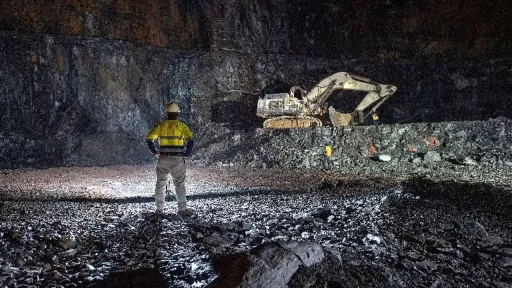
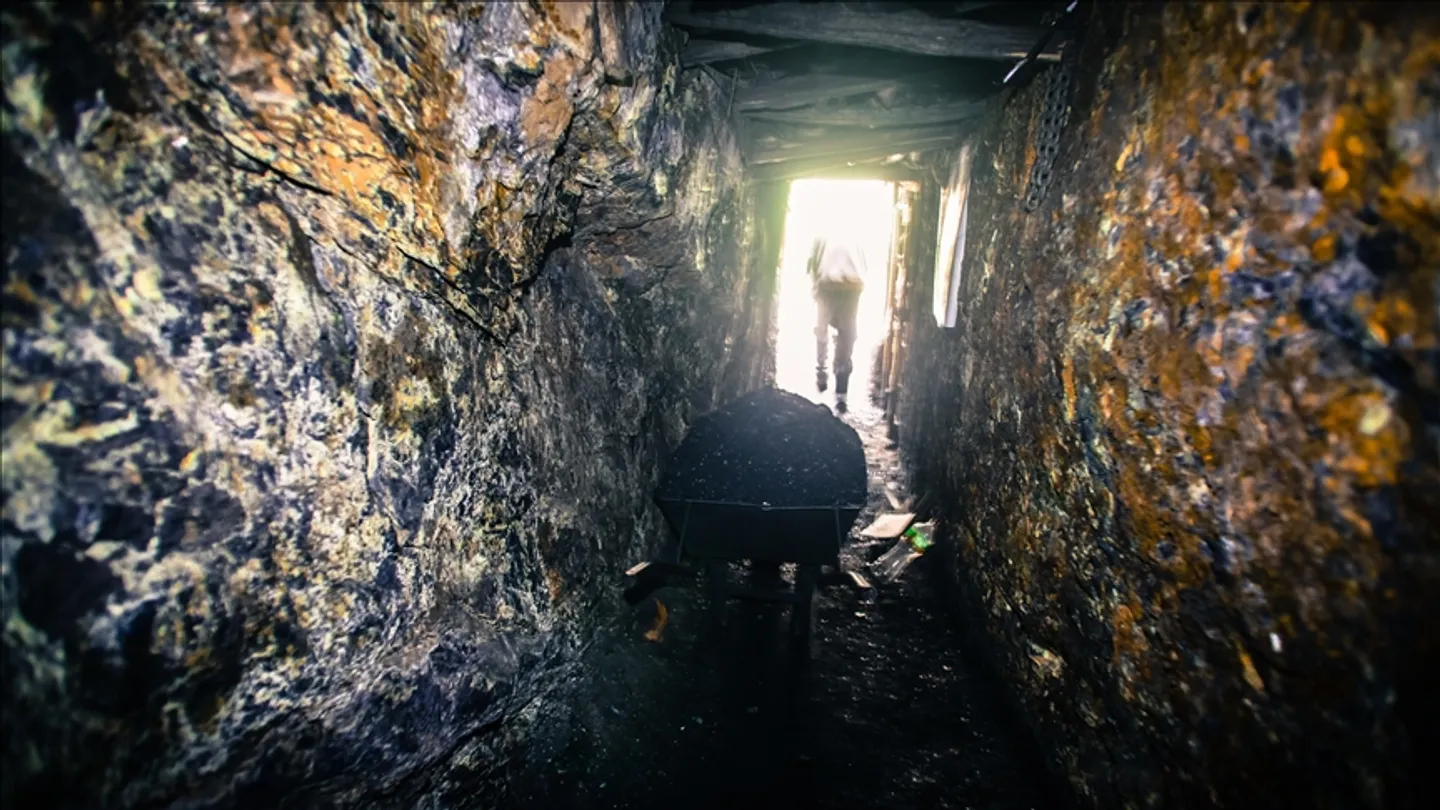
The military-led government launched an audit of Mali’s mining sector in early 2023 that uncovered massive shortfalls for the state and paved the way for a new mining code.
That new mining law raised royalties, boosted state stakes in mining companies and scrapped stability clauses.
A recovery commission was set up after an audit by firms Inventus and Mozar flagged financial irregularities and shortfalls for the state estimated at 300 to 600 billion CFA francs.
New mining code
The overhaul of the industry triggered a two-year dispute with Canadian miner Barrick Mining, Mali’s top gold producer, before a deal was struck in November.
Economy and Finance Minister Alousséni Sanou, speaking on state television late on Monday, did not say if the recovered sum included Barrick’s recent 244 billion CFA francs deal.
Other operators, including B2Gold, Allied Gold, Resolute Mining, Endeavour Mining, and lithium players like Ganfeng and Kodal, settled their arrears and migrated to the new regime earlier.







“I am delighted with these results, among which we can mention the recovery of 761 billion CFA out of a target of 400 billion,” Sanou said during a ceremony presenting the audit report to President Assimi Goita.
Stake in contracts
Sanou added that all mining companies will now operate under the 2023 code, which is expected to lift annual revenues by 586 billion CFA francs on audited firms alone, bringing their total contribution to about 1,022 billion CFA francs each year.

Audit and legal costs amounted to 2.87 billion CFA francs, he said.
Mamou Touré, a member of the renegotiation committee, stated that the goal was not only to recover funds but also to give the state a substantial stake in mining contracts.
Mali, one of Africa’s top gold producers, relies heavily on mining for export earnings and fiscal revenues.
The scrutiny to tighten oversight has squeezed growth, with industrial gold output falling 32% year-on-year to 26.2 metric tonnes by the end of August.