Ghana said on Friday it would settle its long-running maritime boundary dispute with neighbouring Togo through international arbitration, after nearly a decade of negotiations failed to produce an agreement.
Government spokesman Felix Kwakye Ofosu said Accra had notified Lomé that the border would be delimited under the United Nations Convention on the Law of the Sea framework.
"This follows attempts at negotiating a boundary which have gone on for the past eight years but have not resulted in an agreed outcome," Ofosu said.
He said the move was intended to prevent "escalation of incidents that have created tensions" between the two West African countries.
The decision mirrors Ghana's earlier arbitration against Côte d’Ivoire, resolved through a 2017 ruling by the International Tribunal for the Law of the Sea, and highlights Accra's push to secure legal certainty over offshore waters vital to its economy.
Petroleum blocks



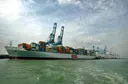
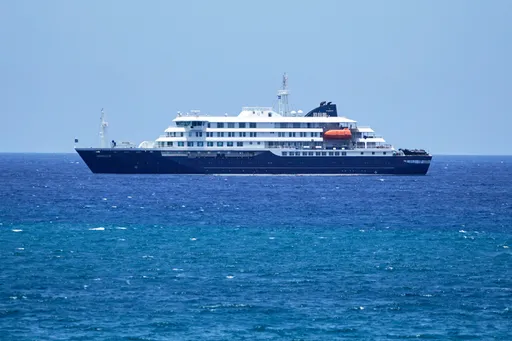
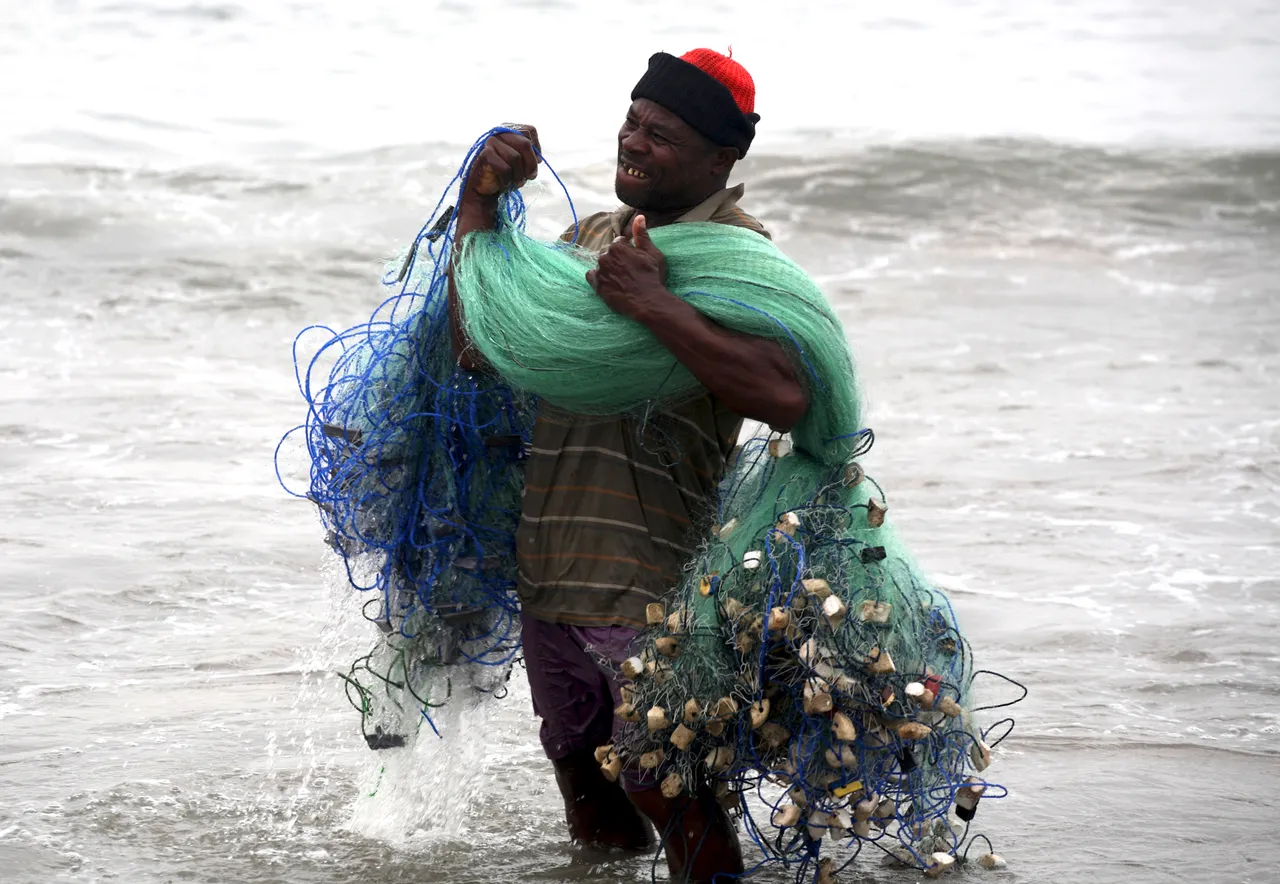
Ghana's offshore zone, covering tens of thousands of square kilometres (miles), contains not only petroleum blocks but also key fishing grounds and shipping lanes.
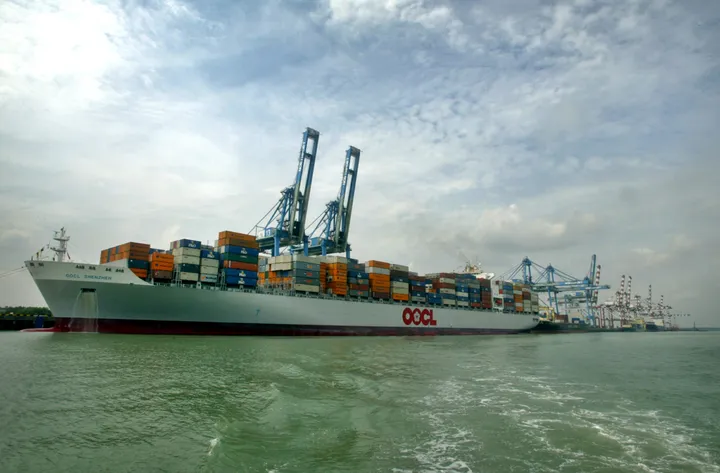
The marine sector supplies most of the country's fish consumption and supports hundreds of thousands of coastal livelihoods, while around 90 percent of Ghana’s trade moves by sea through ports such as Tema and Takoradi.
Clear borders are also critical for energy investors wary of drilling in contested waters.
Oil production has become an important source of state revenue since commercial output began in 2010, and unresolved claims can delay exploration, financing and insurance.
Togo, which has a relatively short coastline, has overlapping claims with its neighbours, raising the risk of friction as offshore resources gain value.