Trade ministers from around the world gathered in the central African nation of Cameroon on Tuesday for the 14th Ministerial Conference of the World Trade Organization (WTO) amid escalating military conflicts in the Middle East, casting a shadow over global supply chains.
The two-day summit seeks to address a rapidly deteriorating global economic landscape characterized by rising geopolitical tensions, war, and increased trade protectionism.
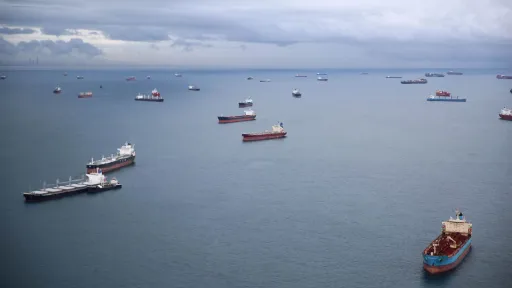
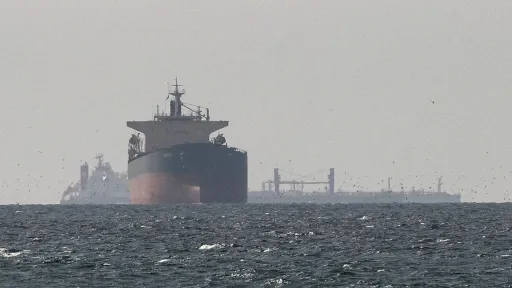
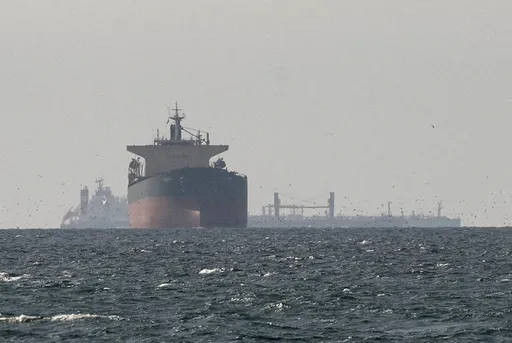
The upcoming discussions will focus on the severe commercial and logistical fallout over the joint military strikes of the US and Israel on Iran and Tehran’s subsequent retaliations, paralyzing maritime trade and energy markets.
Representatives from 166 member nations will tackle deeply rooted structural issues over fundamental functionality and the overall effectiveness of the WTO.
The aim is to reinforce a rules-based, open, and inclusive multilateral trading system to prevent member states from leveraging unilateral economic retaliation.
Meanwhile, negotiators at the summit are expected to push long-stalled agricultural trade deals and debate the international regulation of global fisheries subsidies.
Türkiye representation
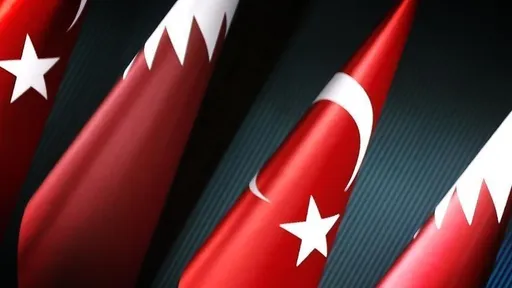
Turkish Trade Minister Omer Bolat travels to the Central African country on Tuesday to represent Türkiye during these multinational negotiations.
Bolat will hold a series of bilateral meetings with his international counterparts to push for structural reforms to make the WTO a more functioning governing body.
In this turbulent climate, Ankara continues to maintain a public commitment to a transparent and predictable trading system that allows developing countries to integrate while protecting them from arbitrary trade barriers.
The WTO, established in 1995, serves as the primary legal and institutional foundation of global commerce.
The organization was established to mediate trade disputes and prevent the kind of unilateral economic warfare that is threatening the global markets of today.
Since the 2017 Buenos Aires conference, the pressure to modernize the WTO’s regulatory framework has steadily mounted, highlighting the urgent need to establish rules for modern digital economies, e-commerce, and international investments.
Delegates in Cameroon will attempt to make headway on agricultural negotiations stalled since 2000 in a decades-long effort to establish a fair, competitive, and predictable market for global food exports.