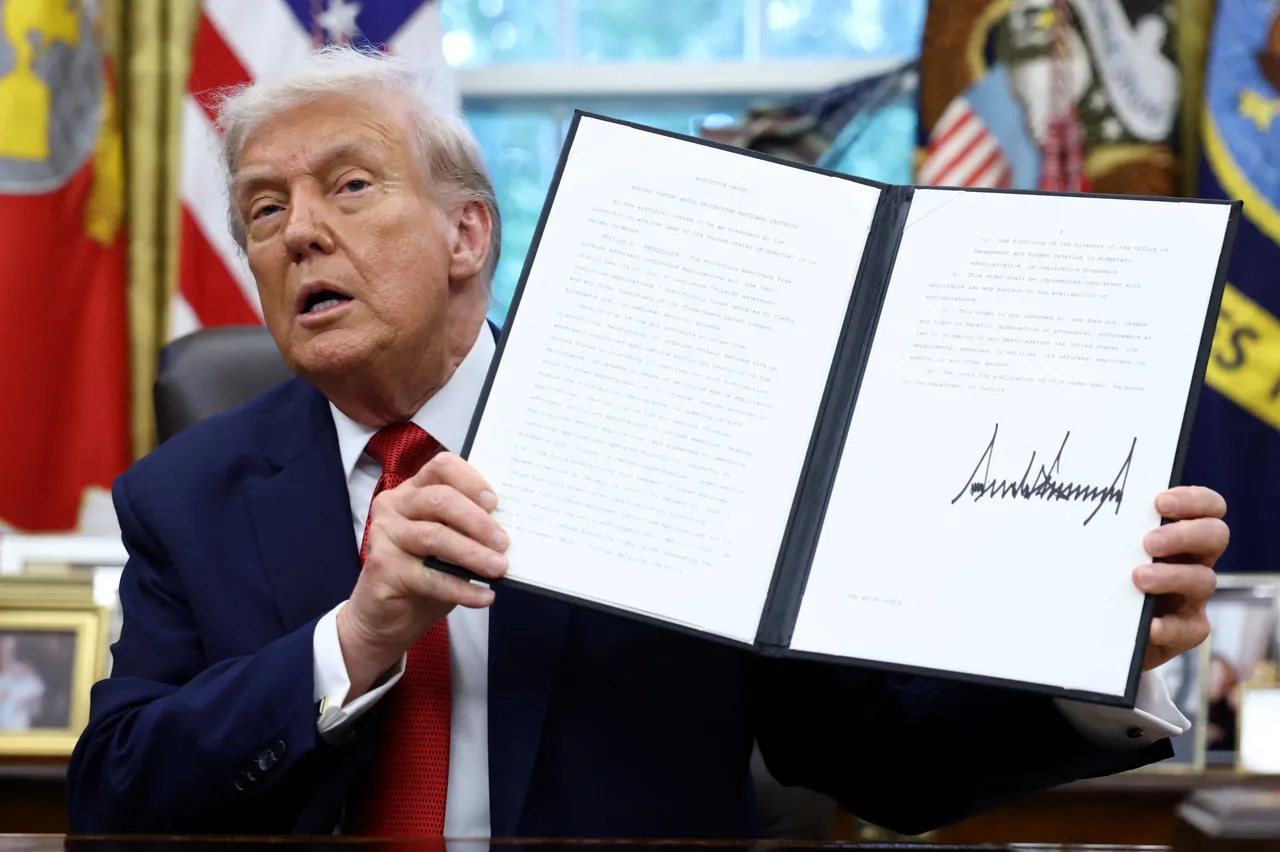
Hundreds of people from South Sudan may be able to live and work in the United States legally, while a federal judge on Tuesday weighs whether President Donald Trump's move to revoke temporary protected status for immigrants from the East African country was illegal.
The termination was set to take effect on January 6, 2026, at which point the roughly 300 South Sudanese nationals living and working in the US under the program — or who otherwise have pending applications — would be eligible for deportation.
Civil rights groups sued the Department of Homeland Security (DHS) in late December, writing in a complaint that the change violated administrative procedure and was unconstitutional because it aimed to “significantly reduce the number of non-white and non-European immigrants in the United States” on the basis of race.
The court order written by US District Judge Angel Kelley in Massachusetts temporarily bars the federal government from initiating deportation while the final decision is pending.
‘Far-reaching consequences’
“These significant and far-reaching consequences not only deserve, but require, a full and careful consideration of the merits by the Court,” Kelley wrote, adding that the changes could potentially cause irreversible harm to the East African migrants.
DHS blasted the decision in a statement on Tuesday.

“Yet another lawless and activist order from the federal judiciary who continues to usurp the President’s constitutional authority. Under the previous administration Temporary Protected Status was abused to allow violent terrorists, criminals, and national security threats into our nation," DHS Assistant Secretary Tricia McLaughlin wrote.
Temporary protected status is granted to foreign nationals from countries devastated by a war or a natural disaster. Successful applicants must already reside in the US and pass extensive background checks and vetting through DHS.
Without providing evidence, McLaughlin claimed there is “renewed peace in South Sudan" and pointed to “their demonstrated commitment to ensuring the safe reintegration of returning nationals, and improved diplomatic relations.”
South Sudanese people were made eligible for temporary protected status in 2011. Years of conflict have left the country heavily reliant on aid, which has been hit hard by the Trump administration’s sweeping cuts in foreign assistance.
Trump’s clampdown
The Trump administration has attempted to withdraw various protections that have allowed immigrants to remain in the US and work legally, including ending temporary status for hundreds of thousands of Venezuelans and Haitians who were granted protection under President Joe Biden.
Protected status for immigrants from Ethiopia, Cameroon, Afghanistan, Nepal, Burma, Syria, Nicaragua and Honduras is also in jeopardy.