Do you believe the world is in 2026? If yes, you are wrong. That’s according to the calendar of the Amazigh people of North Africa.
Communities across the region are celebrating their New Year, 2976. That’s nearly 1,000 years ahead of the rest of the world using the Gregorian calendar.
The Amazigh or Berber New Year, known as Yennayer, is celebrated between January 12 and 14, depending on where those celebrating live.
The Amazigh, a name that means “free people” or “noble people”, are made up of several ethnic groups across North Africa with a long history.
Their population is believed to be in tens of millions, living in Algeria, Morocco, Tunisia and Libya, among other places.
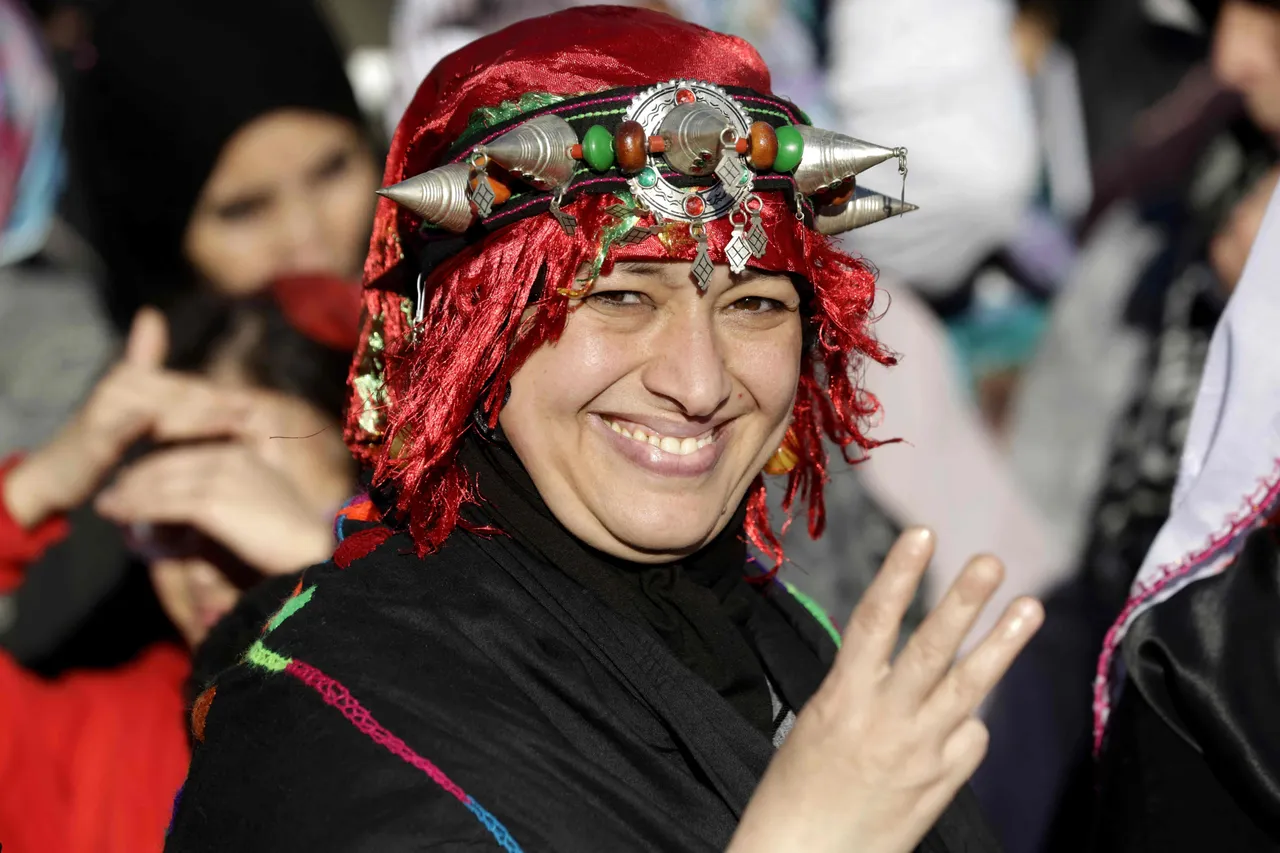
The Amazigh have an amazing culture. The Yennayer or New Year celebrations have roots in an ancient agricultural calendar that’s been around for centuries.
In their language, ‘’Yennayer’’ literally means “the first month.” Across villages and cities, families come together for music, dancing and big shared meals.
There are bonfires, traditional instruments, and you will hear people greeting each other with “aseggas ameggaz”, meaning happy New Year, echoing through the streets.
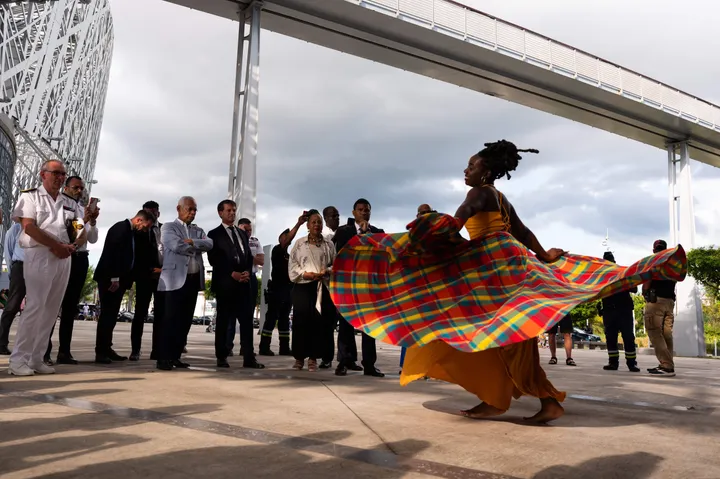
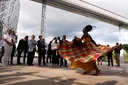



It’s not just a New Year festival; it’s an occasion to promote the Amazigh culture and language, which suffers a declining influence in the region over the years.
So, why are the Amazigh in 2976, not in 2026? Well, the Amazigh calendar started in 950 BC, the year King Sheshonq became ruler of ancient Egypt.
This put the community nearly a thousand years ahead of the Gregorian calendar that most of the world uses today. And they’re not alone.
There are several other calendars around the world, including Ethiopia’s unique calendar with 13 months, which celebrates New Year or Enkutatash in September, being 7-8 years behind the Western calendar.
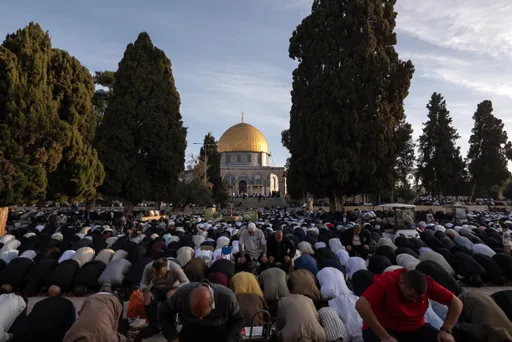
The Islamic calendar, known as the Hijri calendar, used by Muslims, is more than 500 years behind the Gregorian calendar.
It follows lunar cycles, and its first month, when the New Year is celebrated, is known as Muharram.
Well, different calendars, different histories, same idea: marking time, culture and identity. To Amazigh people, Aseggas Amaynou — Happy New Year.