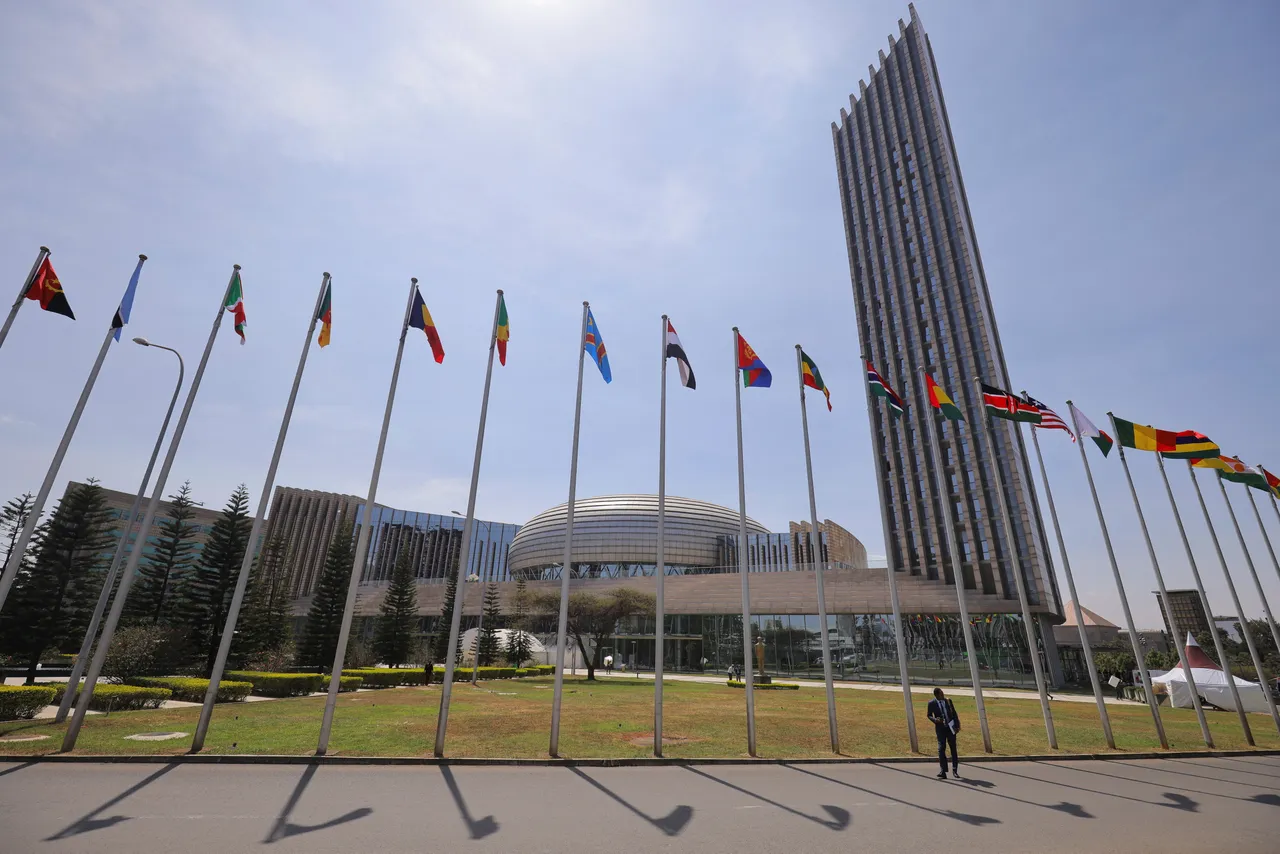
African leaders are seeking answers to tough questions as they gather in the Ethiopian capital, Addis Ababa, for the 39th Ordinary Session of the Assembly of Heads of State and Government, to kick off in Addis Ababa from 14 to 15 February 2026.
This summit at the AU headquarters comes at a difficult time for the continent and its leaders.
Before the heads of state and government's discussions, their foreign ministers had held talks on various issues, including security, economy, and diplomacy.
As the African leaders meet, the shadow of US President Donald Trump and his administration's radical policies looms large.
These include immigration crackdown, foreign aid cuts, and America's unsettling involvement in issues across Africa.
Trump’s travel ban
Twenty-six African countries, representing about half of the continent, are under Trump's total or partial travel ban, which took effect in January.
Similarly, his administration's scrapping of foreign aid for humanitarian and health services has hit African countries.
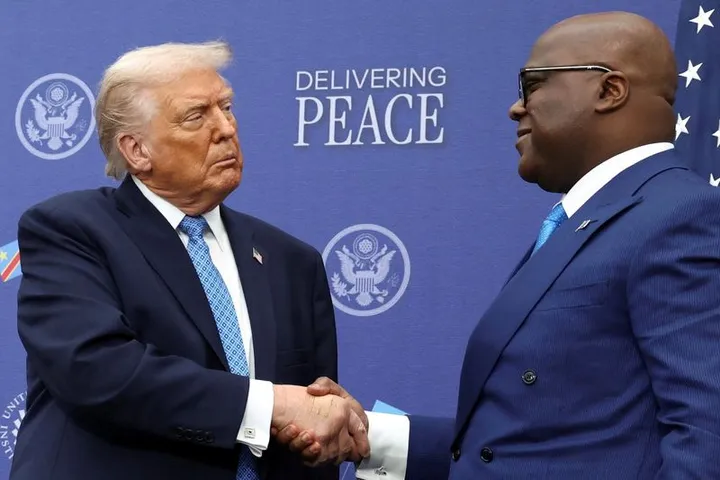





It is now replacing health programmes previously implemented by USAID with new multi-billion-dollar transactional deals with individual countries, some giving the US greater access to critical minerals in Africa.
The Trump administration has also imposed hefty tariffs on many African countries, as part of its global sweeping economic policy, and has been involved in a diplomatic row with Nigeria and South Africa, the continent's leading economies, on issues relating to foreign policy and domestic security challenges.
The two African powerhouses are now trying to navigate the delicate relationships with the US.
Devastating conflicts
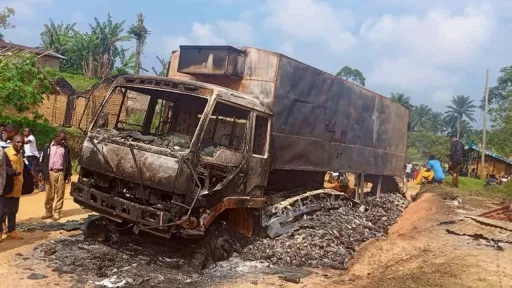
Away from the Trump effect, the African leaders in Ethiopia are also seeking solutions to devastating conflicts on the continent, including in the DRC and Sudan.
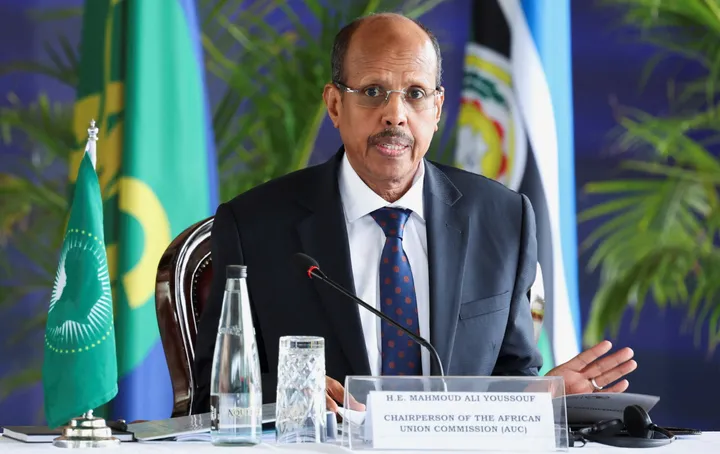
The Chairperson of the African Union Commission, Mohamoud Ali Youssef, has hailed a recent ceasefire mechanism between the DRC government and rebel groups as a "significant confidence-building measure’’ and expressed optimism that the war in Sudan will be resolved.
The African Union has also urged the revocation of Israel's recent unilateral recognition of Somalia's breakaway region of Somaliland, calling it a violation of Somalia's sovereignty and territorial integrity.
Another key issue on the leaders’ plate is climate change – which the UN says affects Africa disproportionately, despite the continent being responsible for just about 3% of the problem.