The United States and South African officials reached an agreement during a closed-door meeting in late December to allow the US to continue its controversial effort to bring white South Africans to the US as refugees, an internal meeting summary reviewed by Reuters showed.
The meeting came after President Donald Trump's signature refugee programme was disrupted weeks earlier when South African authorities in an extraordinary move raided a US refugee processing site in Johannesburg, arresting contractors and sparking backlash from Washington.
At the December 23 meeting, the top US diplomat in South Africa, charge d'affaires Marc Dillard, received assurances from Pretoria that South Africa would not interfere with Trump's programme, according to the meeting summary, which was signed by Dillard and sent to various US agencies.
"We may not agree with the classification of certain South Africans as facing possible genocide, but their right to move to a destination of their choice is guaranteed and the government of South Africa won't interfere," the summary quoted Thabo Thage, one of the South African officials in the meeting, as saying.
Sour relations
At the same time, South African officials did not fully commit to investigating how a US refugee officer's passport image leaked before being posted online and offered only a "tepid" response to Washington's push to get to the bottom of what happened, according to the meeting summary, which has not been previously reported.
Trump froze US refugee admissions from around the world when he returned to the White House as part of his broader immigration crackdown. But weeks later, he launched an effort to bring white South Africans of Afrikaner ethnicity to the US as refugees, claiming they were victims of race-based persecution in majority-Black South Africa. The South African government has emphatically rejected the allegations.
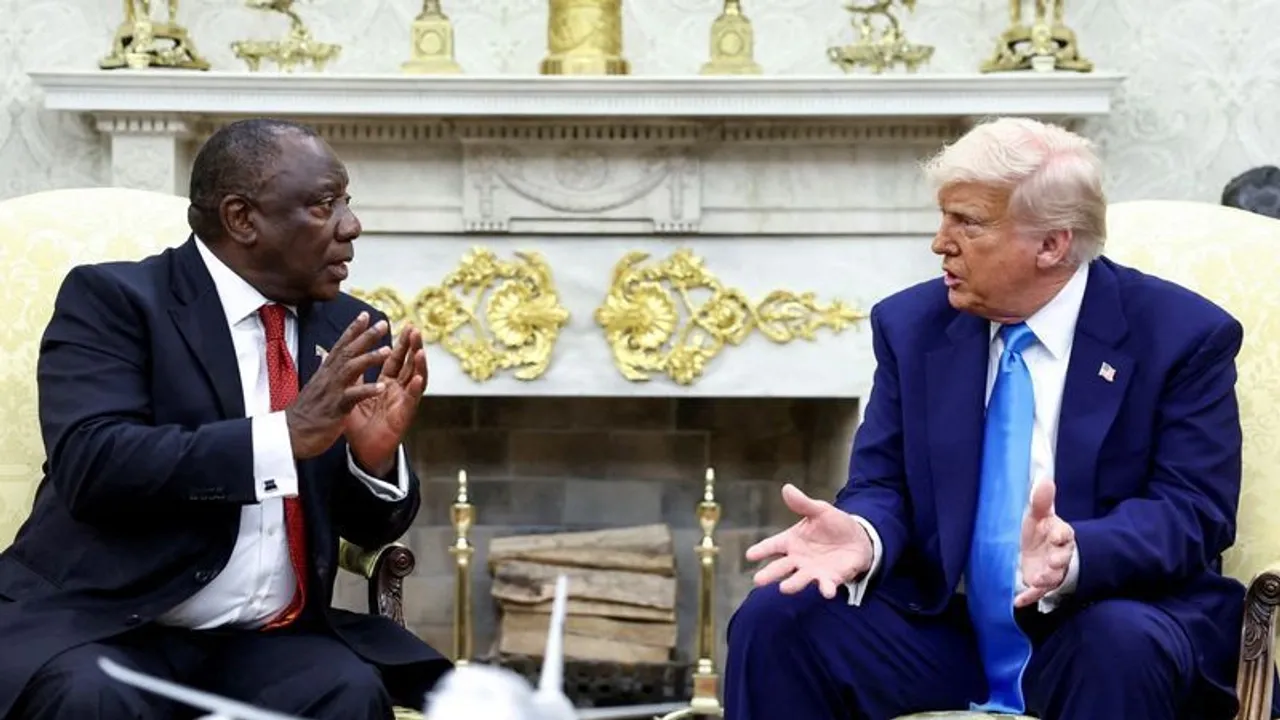
During a May meeting with South African President Cyril Ramaphosa, Trump confronted his counterpart with claims about white genocide in the country, allegations South Africa denies. Ties between the two countries have further soured after Washington banned South Africa from the G20 meetings that it will host later this year.
The tensions peaked in mid-December when South African authorities raided a site where US refugee staff and contractors were working on refugee cases.
'Unacceptable events'

The raid resulted in the arrest of seven Kenyans working as contractors for a US-based refugee group over allegations they were violating the terms of their visas, as well as the brief detention of two US refugee officers.
The US State Department said that despite the "unacceptable events" in December, its operations remained unhindered. The department said more Afrikaners arrived in the US as refugees in December than any previous month and that higher numbers were expected in January.
South Africa’s foreign ministry, the Department of International Relations and Cooperation, rejected any suggestion that its officials were negotiating with the US regarding the refugee programme.
"Our position on the so-called 'refugee protection' for South African citizens is unchanged: it is based on a false premise that lacks empirical evidence and has been rejected by South Africans of all backgrounds," the ministry said in a statement.
De-escalating tensions
The summary, emailed to US State Department refugee programme staff on Monday and labelled “sensitive,” suggests the two nations are quietly seeking a more collaborative approach following tense relations since Trump took office nearly a year ago.
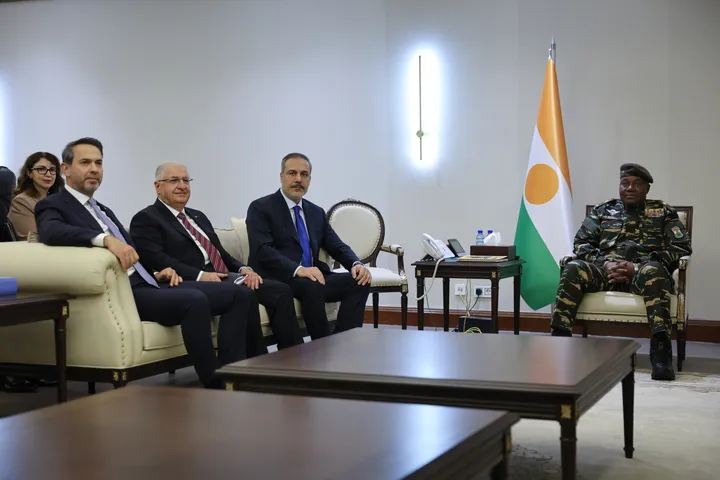
During a two-hour meeting late at night on December 23, South African officials appeared to seek calm rather than confrontation, the US summary said. Dillard met with two high-ranking South African diplomats, Deputy Minister Alvin Botes and Acting Chief Director for North America Thabo Thage, it said.
“Botes and Thage appear to have entered the meeting with the aim of de‑escalating the recent rise in tensions and improving communications with US counterparts to avoid ‘drama’ and the unnecessary airing of public grievances in the future,” the summary read.
South Africa’s foreign ministry said the arrest of US refugee programme contractors was "a law enforcement matter, not a diplomatic signal" and that the US effort could proceed if it followed South African law.