 Charles Mgbolu
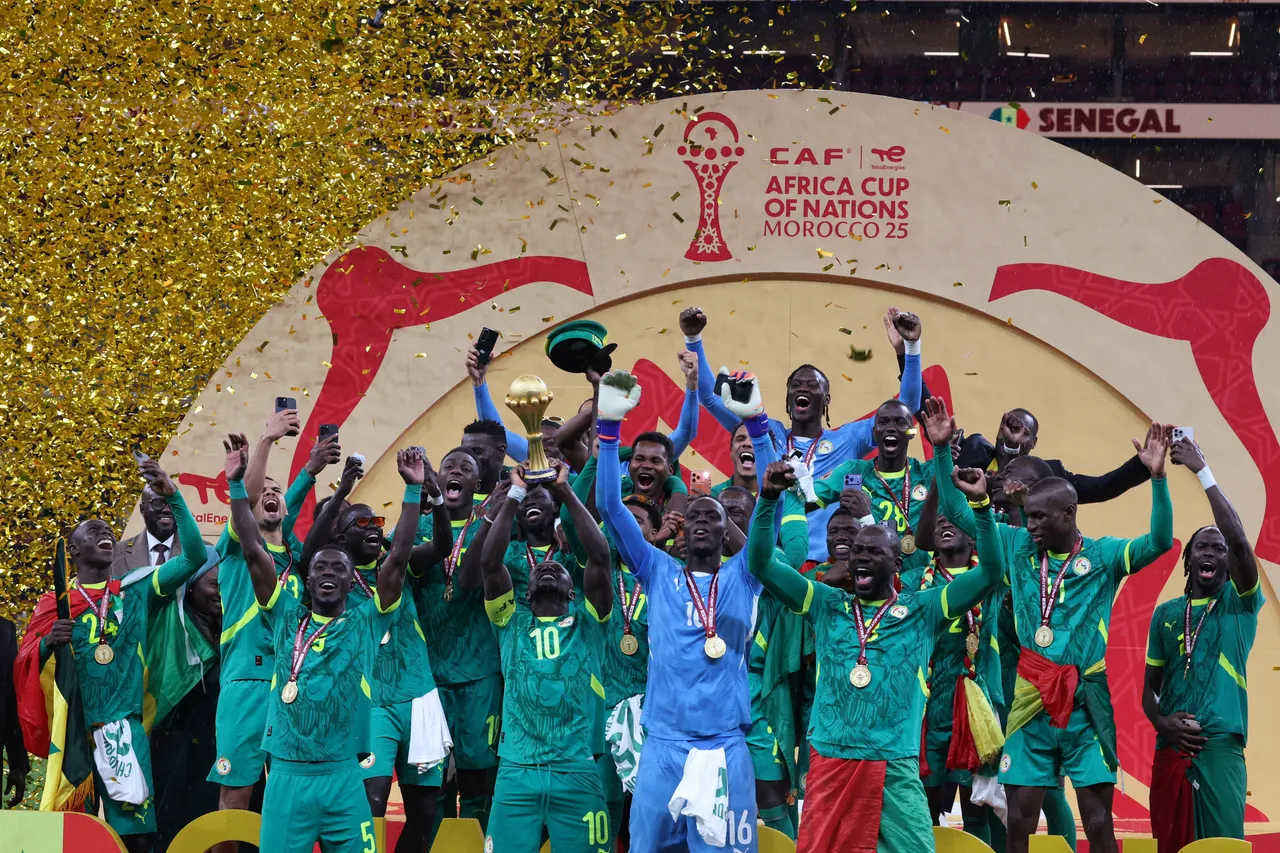
Long after the trophy was lifted at the end of a tense AFCON 2025 tournament—with Senegal emerging champions—the loudest conversations around the Africa Cup of Nations have not been about tactics, goals, or even the winners themselves, but rather about match officiating.
Fans say AFCON 2025 closed with an uncomfortable awareness: how repeated refereeing controversies shaped behaviour, psychology, and perception among players, coaches, supporters, and officials — and how those tensions ultimately exploded on the continent’s biggest stage.
From the opening matches of the competition, refereeing had been the subject of recurring criticism, with the breaking point coming in the final.
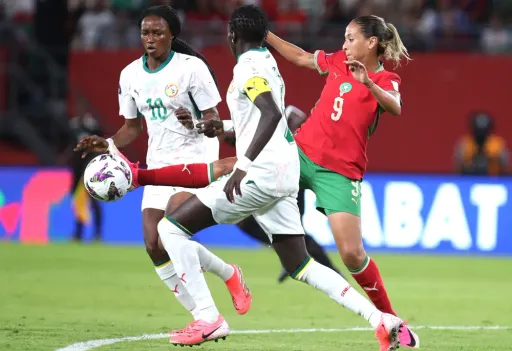
When Morocco was awarded a controversial penalty in the sixth minute of stoppage time against Senegal, it triggered scenes of chaos rarely witnessed on African football’s grandest platform.
Technical teams poured onto the pitch as players confronted officials. In viral videos shared online, members of Senegal’s Gaindé supporter group were seen jumping the stadium hoardings and surging toward the field, seemingly intent on confronting the referee and the Moroccan delegation.
Stewards attempted to block their advance as riot police were forced to intervene, forming a barrier while projectiles were hurled onto the pitch. Several Senegalese supporters were eventually removed by authorities as order was gradually restored.
Other complaints
The scenes in Rabat were not isolated.
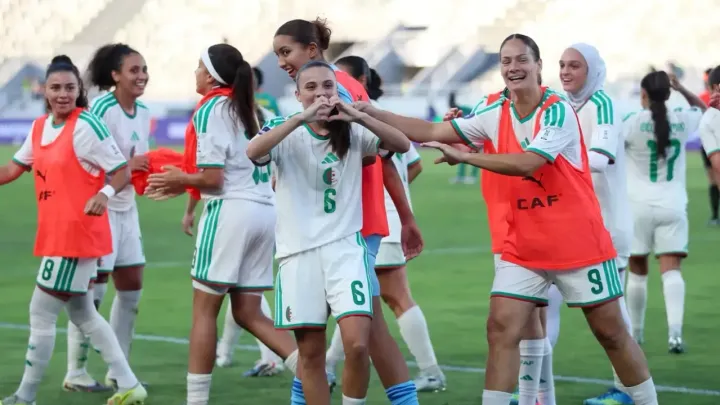
The day after their elimination in the quarter-finals against Nigeria (0–2), the Algerian Football Federation (FAF) filed an official complaint with the Confederation of African Football (CAF). At the heart of the dispute was the performance of Senegalese referee Issa Sy, deemed “partial” by Algerian football authorities.
“The Algerian Football Federation cannot ignore the refereeing performance observed during the last match, which raised numerous questions and caused considerable confusion,” the statement read. “Certain decisions have damaged the credibility of African refereeing and do nothing to enhance the value of continental football on the international stage.”
The quarter-final, Nigeria’s 2–0 win over Algeria, sparked angry reactions from Algerian players and officials, who claimed the outcome had been influenced by poor refereeing decisions, including a dismissed penalty appeal.
Referee Issa Sy and his assistants, Djibril Camara and Nouha Bangoura, had to be surrounded by security as they exited the pitch. Match officials also struggled to restrain Algerian players who attempted to approach the refereeing team.
CAF later confirmed that incidents from both matches had been referred to its Disciplinary Board for full investigation, with sanctions to follow should individuals be found guilty of misconduct.





“Inappropriate behaviour,” CAF said, “will not be tolerated.”
Several nations, including Mali and Cameroon during earlier phases of the tournament, publicly expressed dissatisfaction with decisions they considered inconsistent.
Mali also filed an appeal seeking to reduce the suspension of Amadou Haïdara, who received a two-match ban following what the federation described as an incomprehensible red card against Comoros on the final day of the group stage.
Nigeria became one of the loudest critics following their semi-final defeat to hosts Morocco. Fans and commentators spoke of a figurative “13th player.” Players, however, were far more direct.
“One thing I would say is that the referee was appalling. I am not saying that's the reason why we lost, but just making very, very wrong decisions,” said Nigeria defender Bright Osayi-Samuel. “It's really painful to see that we have referees like that in a big game like today.”
Striker Victor Osimhen also described the officiating as “nothing to write home about,”
Ghanaian referee Daniel Nii Laryea’s handling of the match drew particular anger, especially after Calvin Bassey was booked in an incident where replays suggested Moroccan winger Brahim Diaz may have simulated contact.
CAF reacts
CAF president Patrice Motsepe has moved to calm the storm as criticism mounted.
“I said to them, ‘You have to officiate every match at the highest level with integrity, impartiality, and independence,’” Motsepe said, revealing that referees and VAR officials were briefed before the tournament.
“Supporters ask questions like, ‘Was that not a penalty? Was it a red card? Was there no goal?’ We are intently and intensively attentive to these observations,” he added.
In a statement following the final, CAF says it again “strongly condemned” unacceptable behaviour by players and officials, and confirmed it was reviewing all available footage, and that “appropriate action” would be taken against those found guilty.