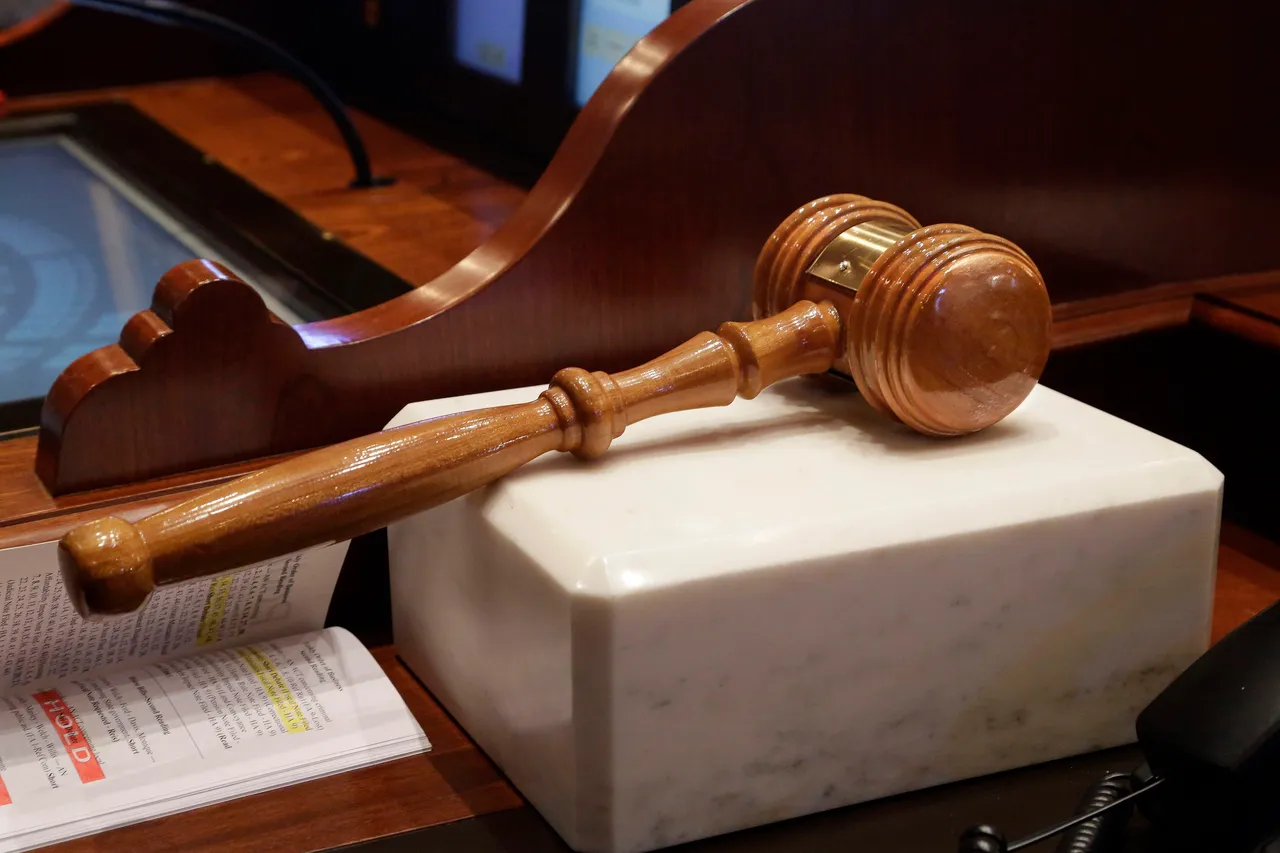
A Nigerian court has ordered the British government to pay 20 million pounds ($27 million) each to families of 21 coal miners killed in 1949 by security forces during British colonial rule, according to the state-run news agency.
The ruling on Thursday culminates decades of campaigning for compensation over the killings, widely seen in Nigeria as one of the triggers to agitations for independence. Nigeria gained its independence from Britain 11 years later, in 1960.
The miners were killed at the Iva Valley Coal Mine in the southeastern Enugu state as they were protesting harsh working conditions. They had occupied the mine when the colonial police opened fire on them, killing 21 and injuring many others.
In his verdict, Justice Anthony Onovo of the Enugu High Court found the British colonial administration liable for the killings and ruled that the British government should also tender formal apologies to the victims.
The British government declined to comment. The UK was not represented in the court proceedings.






‘Shot and killed’
“These defenseless coal miners were asking for improved work conditions, they were not embarking on any violent action against the authorities, but yet were shot and killed,” the judge said.
British authorities must pay 420 million pounds in total to the victims' families as “effective remedy and compensation for the violations of the right to life,” he added.
Defense lawyers described the ruling as a significant milestone that delivers "historical accountability and justice for colonial-era violations, affirming that the right to life transcends time, borders, and changes in sovereignty,” said Yemi Akinseye-George, one of the applicants’ lawyers.