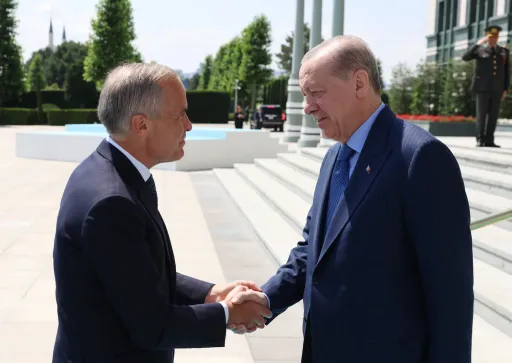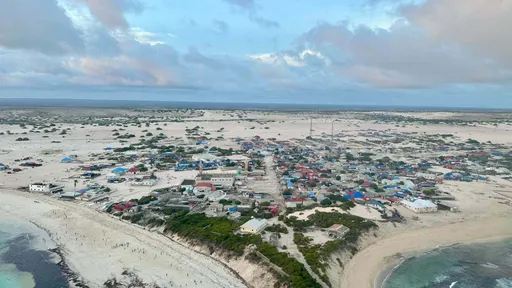
Mohamed Ahmed Alasow was ten years old when then–Prime Minister Recep Tayyip Erdoğan visited Mogadishu in 2011.
At the time, Somalia was emerging from one of the darkest chapters in its modern history; famine, conflict, and international neglect had defined daily life for years.
For many Somalis of Mohamed’s generation, that visit was more than a diplomatic event; it was a moment of hope.
Seeing a foreign leader walk openly through Mogadishu, engage directly with ordinary people, and speak of solidarity rather than distance felt historic.
It marked a turning point not only in Somalia’s relationship with Türkiye, but also in how Somalis imagined their country’s place in the world.
Turning point
That moment stayed with Mohamed. Years later, he came to Türkiye, studying Political Science and International Relations at Medipol University in Istanbul.
Today, as Chairman of the Somali Students Association in Türkiye (UMASET), Mohamed often reflects on how that early experience shaped his academic and personal journey. Studying in Türkiye benefited him profoundly.
It opened his eyes to the world, exposed him to different cultures, and provided a broader global perspective. Learning alongside international students in an academic environment closely connected to real-world diplomacy helped shape his understanding of leadership, cooperation, and international relations.
His personal journey mirrors the wider Türkiye-Africa story that has unfolded over the past decade.
Türkiye’s engagement with Somalia began with humanitarian action during the 2011 crisis, but it did not end there. Over time, it evolved into a deep and structured partnership rooted in long-term commitment.
Rather than limiting its role to emergency assistance, Türkiye positioned itself on the ground as a partner in rebuilding state capacity.
The reopening and strengthening of public institutions in Mogadishu, investments in health and education infrastructure, and support for security and governance stand as visible outcomes of this approach.
By working directly with Somali institutions and placing local actors at the center of the process, Türkiye helped foster a model of cooperation based on ownership, dignity, and sustainability.
This approach is not unique to Somalia; it reflects a broader philosophy that defines Türkiye’s engagement across Africa. What distinguishes Türkiye’s footprint on the
continent is its people-centered and field-oriented model. In healthcare, this is evident in hospitals that provide accessible and quality services to local populations. In infrastructure, it is reflected in roads, airports, and public facilities that directly improve daily life.
In education, it appears through long-term investments in human capital, including scholarships, schools, and academic partnerships.
Rather than operating from a distance, Türkiye works side by side with local communities, listens to local needs, and delivers tangible outcomes that people can see and feel.
Enduring bridge
Education has become one of the most enduring bridges between Türkiye and Africa. Thousands of African students have studied in Turkish universities, returning home with skills, networks, and a deeper understanding of global engagement.
These students are not only beneficiaries of education; they are future diplomats, professionals, and leaders who carry with them lived experiences of partnership built on mutual respect.
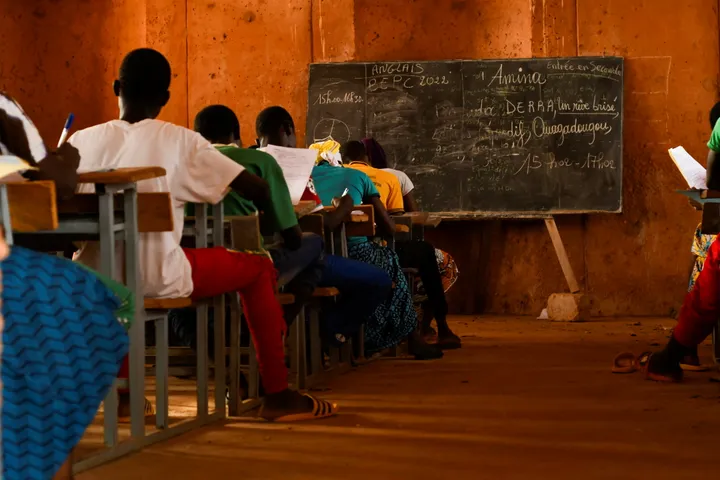


This human dimension remains a defining element of Türkiye’s Africa policy and a key reason its presence across the continent is widely viewed as credible and sincere.
Beyond development and education, Türkiye has also emerged as a constructive actor in peacebuilding and diplomacy across Africa.
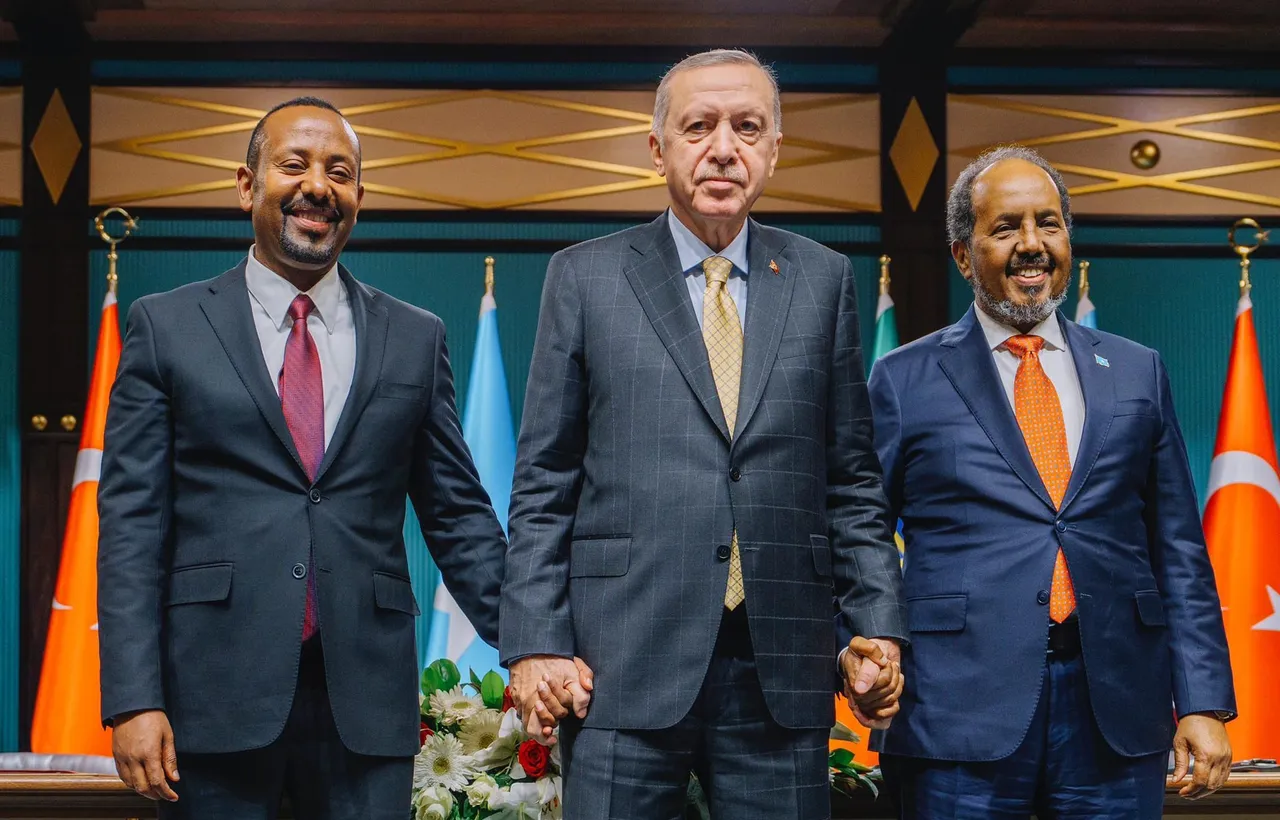
This role was underscored last year when Ankara hosted talks between Somalia and Ethiopia, providing a neutral and trusted platform for dialogue at a sensitive moment in bilateral relations.
In the Horn of Africa, its engagement emphasises dialogue, mediation, and capacity-building as mutually reinforcing processes.
Rather than focusing on short-term crisis management, Türkiye seeks to strengthen the ability of local actors to resolve their own challenges.
By keeping communication channels open, supporting institutional resilience, and avoiding approaches that deepen divisions, it contributes to stability in a measured and meaningful way.
Similar principles guide Türkiye’s involvement in other parts of the continent. In North Africa, its engagement in Libya has combined diplomatic efforts with support for political dialogue.
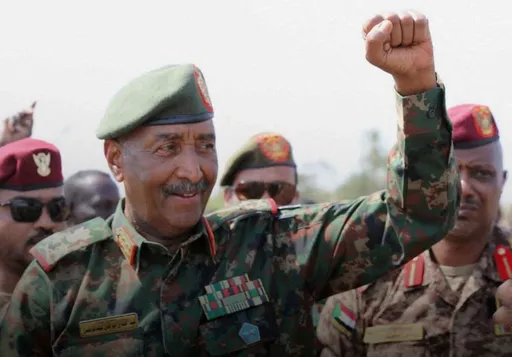
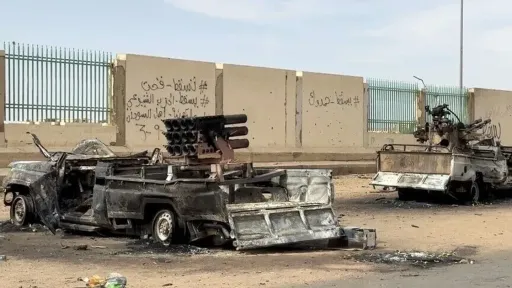
In Sudan, Türkiye has consistently supported peaceful transitions and humanitarian assistance.
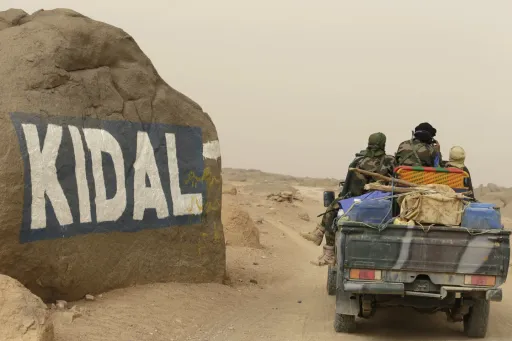
Across the Sahel and West Africa, development cooperation, security training, and institutional support aim to enhance stability while addressing long-term socio-economic needs.
These efforts reflect a holistic understanding that peace, development, and governance are deeply interconnected.
Facilitative diplomacy
According to Dr. Tunç Demirtaş, a researcher in foreign policy at SETA Foundation, Türkiye’s strength in Africa lies in its facilitative diplomacy.
By positioning itself not as a competitor in geopolitical rivalries but as a reliable partner, Türkiye builds trust and long-term relationships. Its emphasis on connectivity, cooperation, and local capacity helps reduce the conditions that often give rise to conflict.
This balanced approach—combining dialogue with concrete support—has enabled Türkiye to play a stabilising role without imposing solutions from the outside.
From the experience of a ten-year-old Somali child witnessing a historic visit in 2011 to a new generation of African students educated in Türkiye today, Türkiye’s footprint in Africa is both visible and deeply human.
It is a footprint shaped not only by projects and policies, but by relationships, shared experiences, and sustained commitment.
As Africa continues to shape its own future, Türkiye’s model of partnership grounded in respect, presence, and long-term engagement stands as a positive and enduring contribution to the continent’s journey forward.
The author, Hafsa Abdiwahab Sheikh, is a freelance journalist and researcher focusing on East African politics.