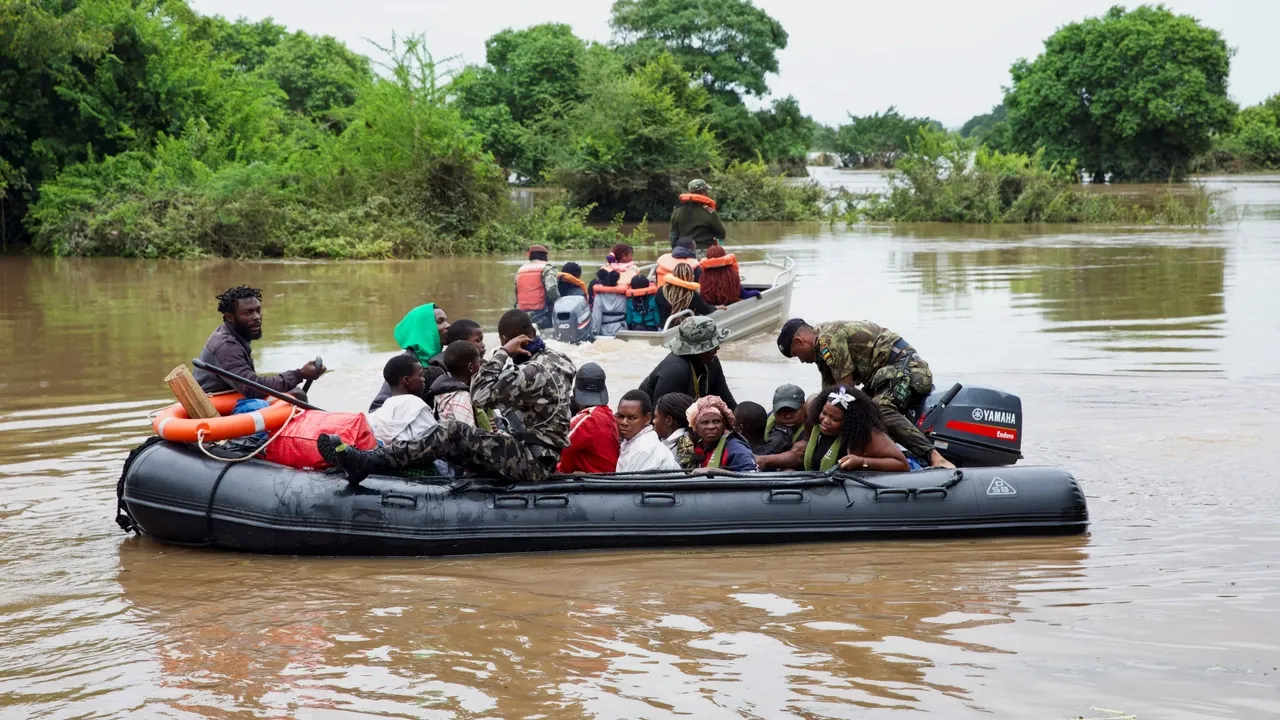
A "storm" of climate change and cyclical La Niña weather patterns fuelled catastrophic flooding across Southern Africa over the past month, killing 200 people and affecting hundreds of thousands of others, a study showed on Thursday.
The report by World Weather Attribution showed that the intensity of such extreme rainfall events has increased by 40% since preindustrial times – a clear sign that warmer ocean temperatures linked to greenhouse gas emissions are partly to blame – and that current La Niña conditions had worsened things.
Severe flooding since December has caused flooding across Mozambique, South Africa, Zimbabwe and Eswatini, "with some areas receiving over a year’s rain in just days," the study said. Burst rivers forced the closure of South Africa's Kruger park, and will cost millions of dollars to repair.
"Data confirms a clear move toward more violent downpours," WWA said. "This effect was compounded by the current La Niña, which naturally brings wetter conditions to this part of the world, but is now operating within a ... more moisture-rich atmosphere."
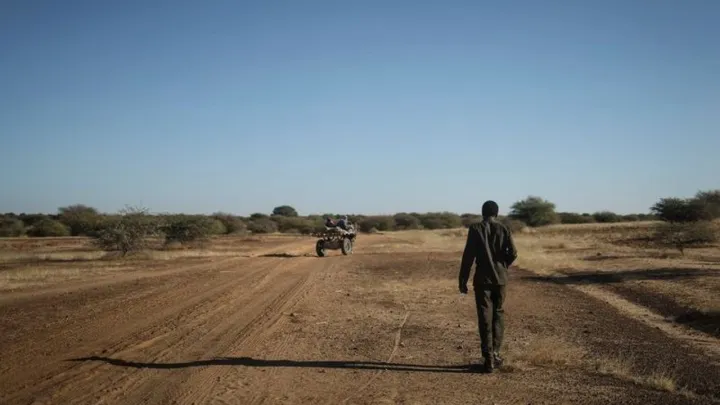






Human-caused climate change
La Niña involves the temporary cooling of temperatures in the central and eastern Pacific Ocean. The World Meteorological Organization has predicted a weak La Niña in this cycle, but warned that warmer-than-normal sea temperatures linked to climate change are increasing the chance of floods and droughts.
"Human-caused climate change is supercharging rainfall events like this with devastating impacts for those in its path," Izidine Pinto, co-author and senior climate researcher at the Royal Netherlands Meteorological Institute, said.
"Our analysis clearly shows that our continued burning of fossil fuels is increasing the intensity of extreme rainfall, turning (it) ... into something much more severe."