 Charles Mgbolu
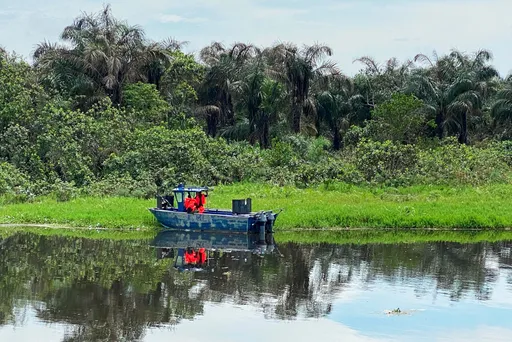
In Mozambique’s submerged towns, residents wading through chest-high water in search of food or safety scan the surface for a different kind of threat: crocodiles swept from swollen rivers into streets and villages.
At least three people have already been killed after reptiles from the Limpopo River washed into communities.
Lurking beneath the murky waters lies an even greater danger—one that does not bare its teeth—the spread of high-risk diseases among displaced populations whose lives have been turned upside down.
WHO says more than 1.3 million people have been affected across Mozambique, South Africa, Malawi, Tanzania, Zambia and Zimbabwe in less than a month, posing a serious challenge to health systems in the region.
The scale of the disaster has alarmed regional and continental institutions. The African Commission on Human and Peoples’ Rights says it is deeply concerned by the human toll and the destruction of critical infrastructure.
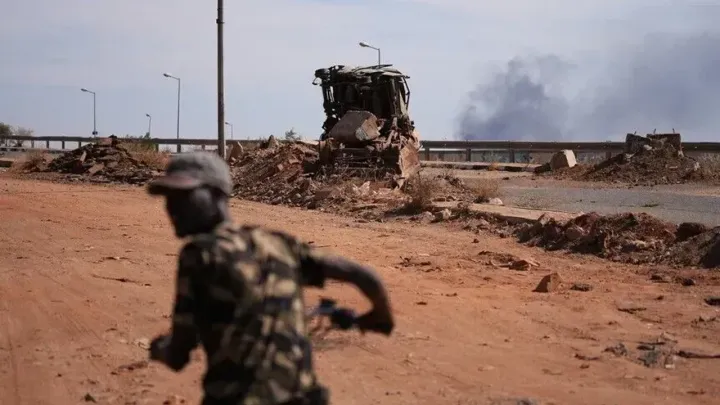
More than 100 people have died, hundreds of thousands have been displaced and roads, bridges, clinics, schools and water systems have been damaged or destroyed across the region.
Mozambique has borne the brunt of the flooding, with nearly 600,000 people affected, most of them in Gaza Province.
South Africa declared a national disaster after floods in Limpopo and Mpumalanga provinces washed away homes, forced school closures and led to the evacuation of tourists and staff from Kruger National Park.
Zimbabwe, Malawi and Zambia have reported widespread displacement, while Madagascar and Eswatini have also been hit by flash floods that damaged homes, dams and farmland.
Yet as floodwaters surged across national boundaries, so too did the response. Health authorities say the crisis is testing not only national systems, but the strength of regional cooperation built over years of responding to epidemics and climate-linked disasters.
According to Dr Marie Roseline Belizaire, WHO Africa’s Regional Emergency Director, the pressure is undeniable—but so is the region’s collective capacity.
“We are a region that is accustomed to responding to public health emergencies,” she told TRT Afrika, noting that African countries respond to more than 100 such emergencies every year, many of them multi-country in nature.
Southern Africa, she said, is under strain, with health workers diverted from routine services and resources stretched thin. “But it’s not at a point where capacities in countries are being overrun.”
That resilience, WHO says, is rooted in years of regional investment in coordination and solidarity. Public health emergency operations centres across the continent now allow governments to manage multiple crises simultaneously, share information rapidly and align responses across borders.
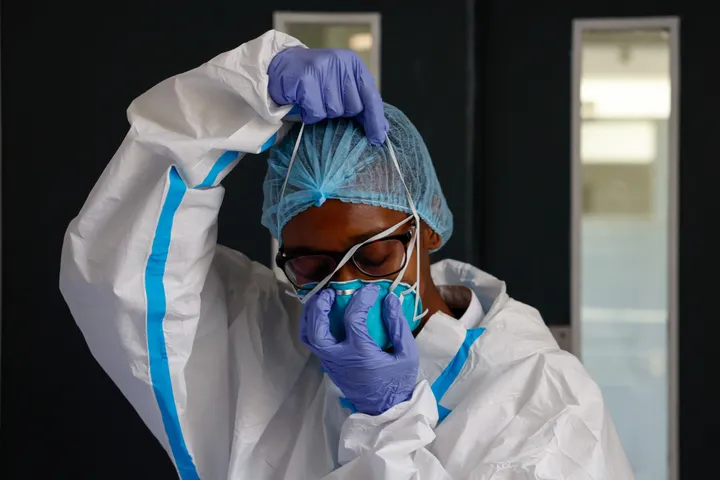
Central to that approach is a growing pool of trained personnel. More than 2,300 rapid responders are now available across the African region, ready to be deployed where needs are greatest.


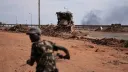
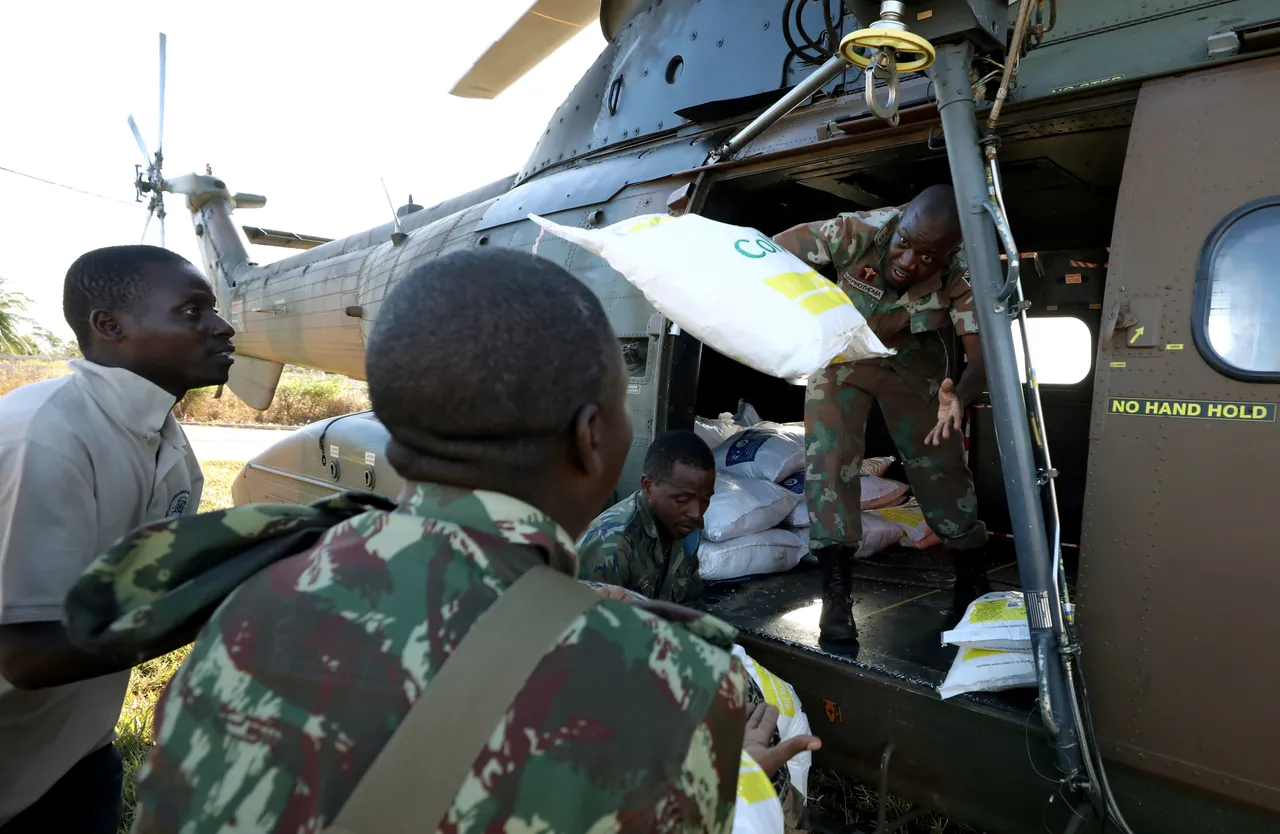
Regional political cooperation has also come into play. A multidisciplinary emergency response team from the regional bloc, Southern African Development Community (SADC), has arrived in Mozambique to support national authorities, bringing expertise in public health, logistics, search and rescue, and humanitarian coordination.
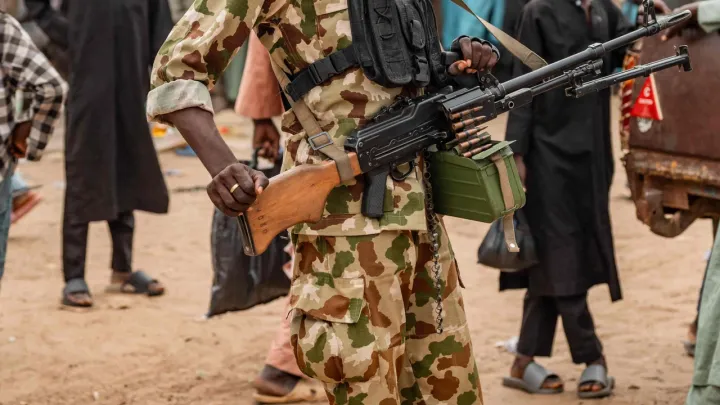
The South Africa’s military on January 19 deployed a search and rescue team to assist Mozambique, as severe flooding continues to affect large parts of the country following prolonged heavy rainfall.
The objective is not only to save lives in the immediate aftermath of the floods, but to prevent a secondary crisis driven by disease outbreaks and health system breakdowns.
The floods are more than a humanitarian emergency; they are a public health threat unfolding simultaneously in several countries. Destroyed water and sanitation systems, overcrowded shelters and disrupted health services create ideal conditions for disease outbreaks.
“There is a heightened risk of water and vector-borne disease due to the displacement and disruption to basic services occasioned by the widespread floods,” said Dr Abdourahmane Diallo, Director of Programme Management at WHO Africa, responding to a question from TRT Afrika during a virtual press briefing.
Cholera and acute watery diarrhoea are among the most immediate concerns. Mozambique was already battling a cholera outbreak in its northern and central provinces before the floods began, raising fears that population movement and unsafe water could accelerate transmission. Surveillance has since been strengthened across affected countries to detect cases early and prevent cross-border spread.
For Dr Diallo, the current emergency reflects a broader continental challenge that no country can manage alone.
“More broadly, we are witnessing a clear pattern between extreme weather and health. It is a reality confronting our continent with severe consequences,” he told TRT Afrika. “The convergence of climatic shocks, fragile health systems and infectious disease threats is accelerating both the frequency and intensity of public health emergencies.”
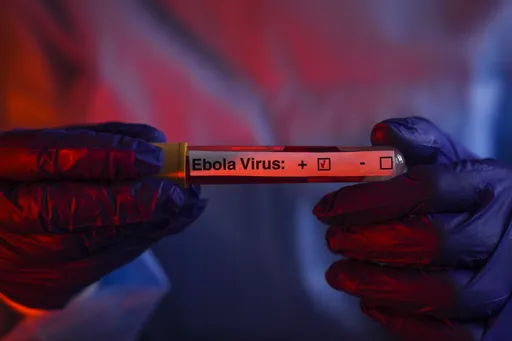
This convergence is playing out as health systems in the sub-region continue to battle other outbreaks, including cholera, diphtheria, mpox and, until recently, Marburg virus disease. The overlap has raised concerns about whether countries can cope with multiple shocks at once.
“We have invested over the last two years in developing rapid responders in each country that can be activated and deployed on the basis of solidarity,” Belizaire said. “Countries are supporting each other, and when one country is facing challenges and needs additional expertise, we are able to deploy across borders to reinforce the response. This south-to-south collaboration is working very well.”
On the ground, that cooperation is translating into practical action. Essential medicines and cholera supplies have been pre-positioned in flood-prone areas, emergency medical teams are on standby or already deployed, and mobile clinics are being established to reach isolated communities.
Efforts to improve emergency water, sanitation and hygiene services are being scaled up, while risk communication teams work closely with communities to raise awareness about disease prevention in displacement settings.
WHO insists there are signs that collective action is paying off beyond the flood response.
Across Africa, cholera cases have declined sharply compared with last year, diphtheria cases have fallen from their peak, and mpox infections are at their lowest levels since 2024 following expanded vaccination and surveillance. Health officials say these gains demonstrate that preparedness, early detection and regional cooperation can work—even under extreme pressure.
Still, the floods underline an uncomfortable reality. Southern Africa is deep into its rainy and cyclone season, and climate change is amplifying both the intensity and unpredictability of extreme weather. What were once seasonal events are increasingly becoming recurring crises, washing away infrastructure and exposing long-standing gaps in water, sanitation, housing and health systems.