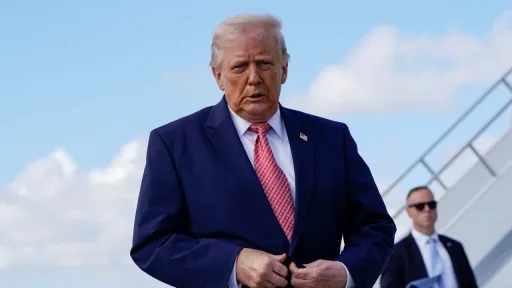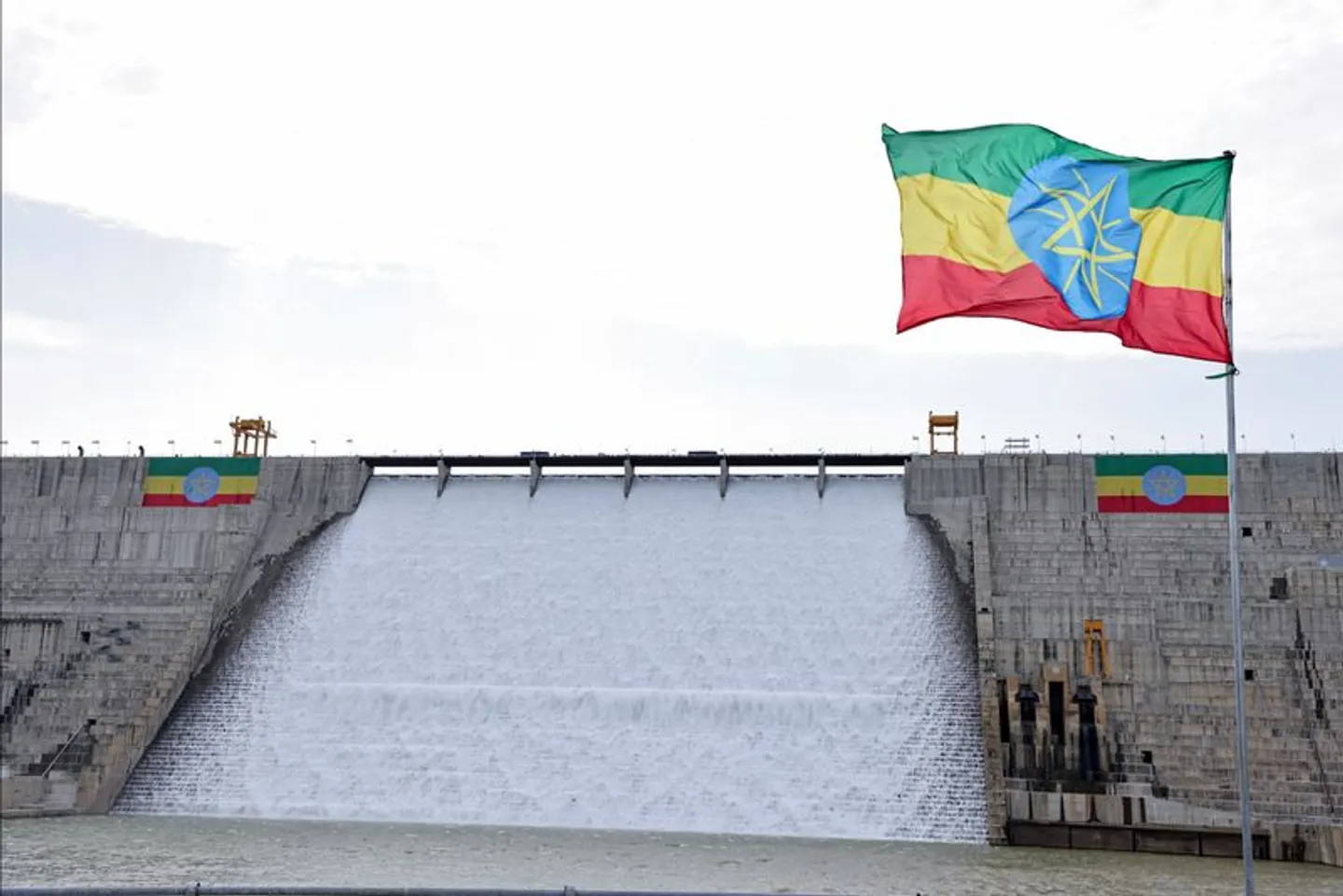
US President Donald Trump has told Egypt that he was ready to reopen diplomacy to press Ethiopia into sharing water from a mega-dam that has angered Cairo.
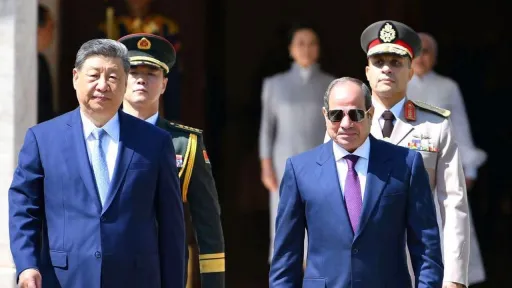
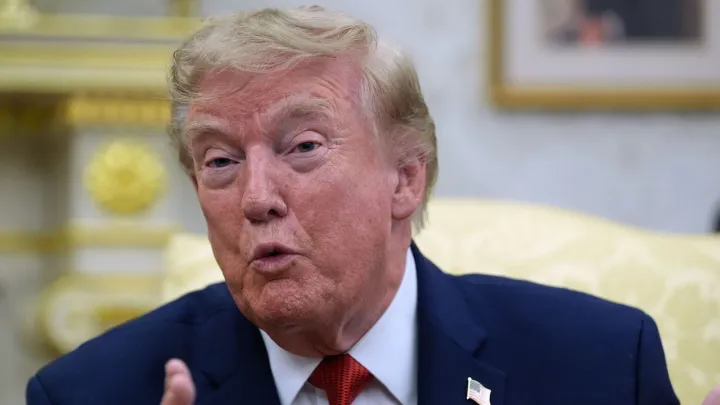
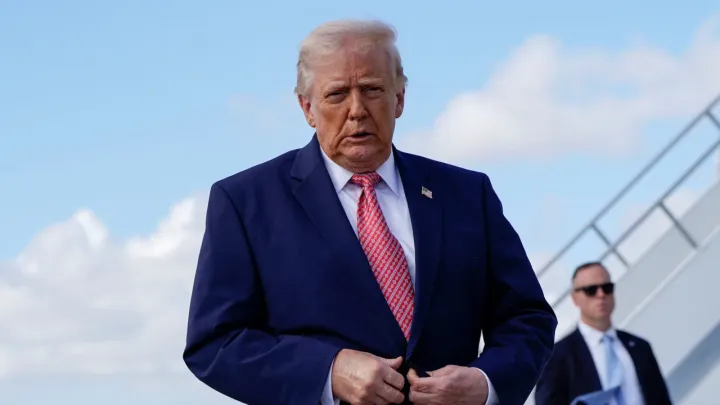
Trump — who in his first term sent tensions spiraling by suggesting that Egypt may bomb the project — offered his services as he hailed Egyptian President Abdel Fattah al-Sisi, an ally who helped broker a ceasefire in Gaza.
"I am ready to restart US mediation between Egypt and Ethiopia to responsibly resolve the question of 'The Nile Water Sharing' once and for all," Trump said in a letter to Sisi posted on social media by the White House.
"The United States affirms that no state in this region should unilaterally control the precious resources of the Nile, and disadvantage its neighbours in the process," Trump said.
He promised that the Grand Ethiopian Renaissance Dam (GERD) would be "at the very top of my agenda."
He said he hoped for a formula to provide a predictable water supply for Egypt and Sudan and let Ethiopia either sell or give electricity to the two downstream countries.
Prime Minister Abiy Ahmed, in September 2025, inaugurated the GERD, Africa's largest hydropower project built at a cost of $4 billion, which will more than double Ethiopia's current electricity capacity.
Sisi has called the dam an existential threat, with parched Egypt counting on the Nile for 97 per cent of its water needs.






Mediation efforts by the United States, World Bank, Russia and the African Union have all faltered over the past decade in resolving the disputes over the dam, a unifying symbol of pride in Ethiopia.
Nile Water Dispute
Trump, speaking near the end of his first term, had also said he hoped for a resolution and said Egypt's response if not, "They'll blow up that dam."
The remarks stunned both Egypt and Ethiopia, which summoned the US ambassador for clarification and vowed to resist any attack.
The Nile River, which runs for 6,650 kilometres, is shared by 11 countries: Burundi, Rwanda, the Democratic Republic of Congo (DRC), Kenya, Uganda, Tanzania, Ethiopia, Eritrea, South Sudan, Sudan, and Egypt.
Egypt is facing a severe water scarcity crisis, driven by multiple factors, chief among them the climate crisis. More than 90 per cent of its water comes from the Nile River.
Egypt and Sudan are the last downstream countries and are Lower Nile Basin countries, receiving relatively low rainfall levels compared to Upper Nile Basin states.
Ethiopia argues that it needs the dam for energy self-sufficiency and economic growth.