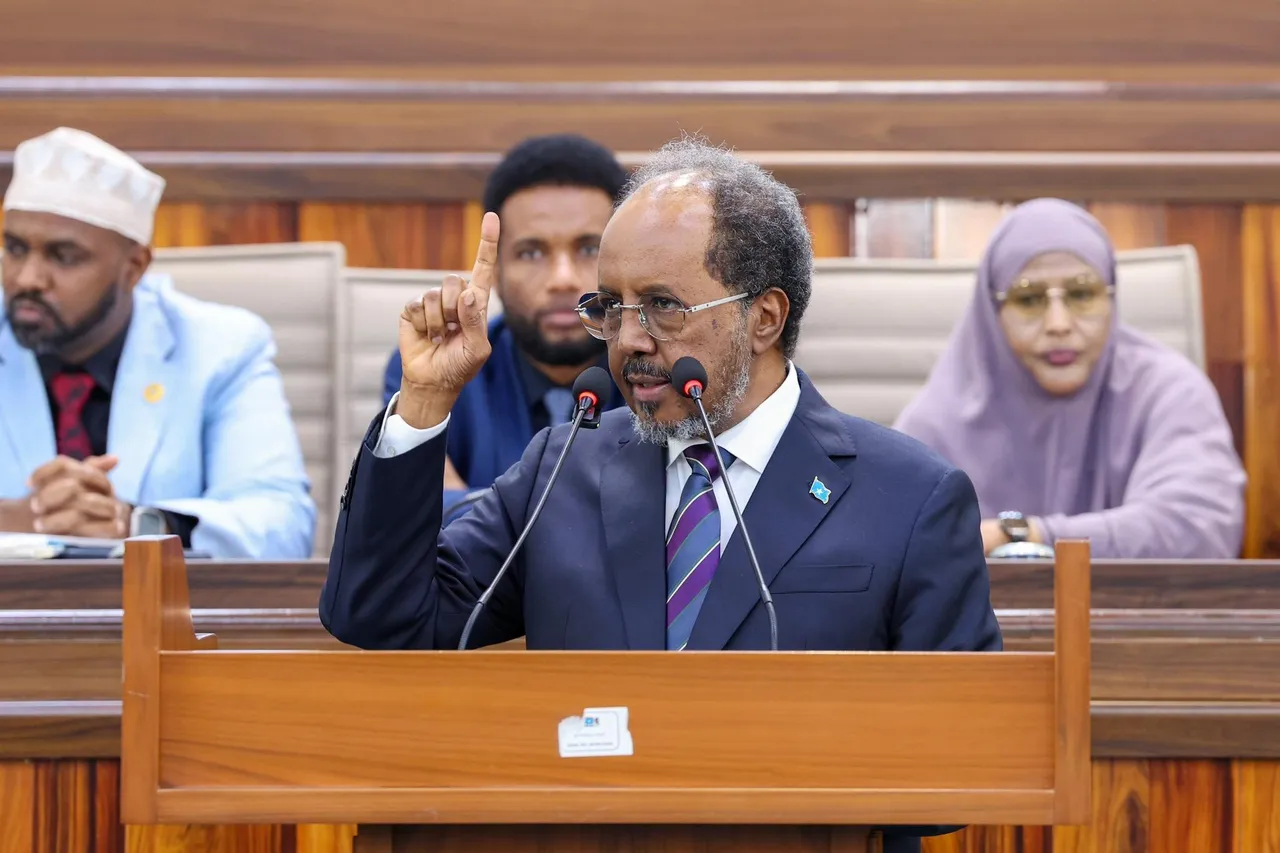
Israel’s reported move forward recognizing Somaliland is not a strategic breakthrough. It’s a dangerous miscalculation that risks igniting conflict across the Horn of Africa and Red Sea region.
Rather than bringing stability or diplomatic gains. Such a step therefore to deeper internal fractures, provoke regional proxy wars, and undermine already fragile security dynamics.
Somaliland is far from politically unified SSC Khatuma regions have formally alighted themselves with federal republic of Somalia accounting for a significant portion of Somaliland claimed territory.
Meanwhile Awdal region of Somaliland and other regions have expressed strong opposition to unilateral external recognition by Israel that bypasses internal consensus and risk of pushing Somaliland towards civil war, while simultaneously escalating tension between Somalia and Somaliland.
Internal fragmentation
Israel’s recognition of Somaliland could trigger a severe humanitarian crisis, exacerbating existing tensions and potentially igniting civil conflict.
Such unrest is likely to displace large populations internally, creating urgent challenges for shelter, food, and medical aid.
The international community must closely monitor the situation to prevent widespread suffering and support vulnerable communities affected by the turmoil."
The creation of the new Northeast state within Somaliland has dealt a significant blow to the dream of Somaliland achieving international recognition as an independent state.
With this development, nearly 45% of Somaliland’s total landmass is effectively lost, weakening its territorial and political integrity.
In the Awdal region, local leaders are now advocating for the formation of their own regional member state within the Federal Republic of Somalia.
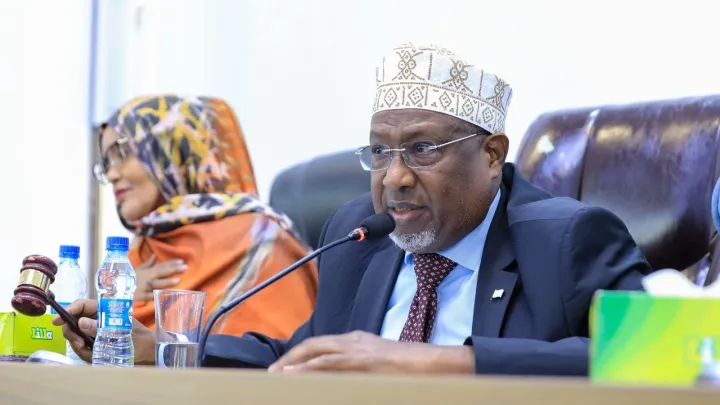
This trend suggests that by the time Somaliland could hope for international recognition, its existence as a cohesive political entity was already under serious threat.
Furthermore, Somaliland’s internal clan dynamics complicate the pursuit of independence. Among the five major clans in the region, four are strongly unionist, favoring unity with Somalia.
Even within the Isaaq clan, which forms a significant portion of Somaliland’s population, the majority support unionist policies. Only a small number of political elites, along with certain foreign backers, continue to actively push for secession.



This combination of territorial fragmentation and limited popular support casts serious doubt on Somaliland’s ability to sustain a viable, internationally recognized independent state in the near future.
Escalating into wider conflict
The geopolitical consequences extend beyond Somali territory, the Houthis have openly threatened Israel interest in the region.
Including any presence link to Somaliland by inserting itself into one of the world’s most volatile corridors, Israel is risking turning Somaliland into a frontline in border regional confrontation, further militarizing the Red Sea and Horn of Africa.
This move opens the door to proxy warfare. Red Sea and Horn of Africa states have already voiced strong objections while others may feel compelled to back the Somali federal government.
Competing alliances would fracture regional diplomacy weaken collective security frame works, and undermine effects to stabilize one of the Africa most strategically sensitive region.
The reaction from Muslim majority countries have been swift and firm, the organization of Islamic conference has condemned the move, reflecting broader outrage across Islamic world , for many, the recognition is only merely a diplomatic issue but a religious and moral one, further isolating Somaliland.
Recognition also risks severely damaging the Palestinian cause allegations that Israel seeks to relocate 1.5M Palestinians and dump in Somaliland , diverting attention from Israel-Palestinian conflict.
Such a move could weaken Palestinian bargaining power internationally and raise ethical concern about forced settlement while complicating stability.
Israeli overt support may inadvertently strengthen Somali national unity, the deal could ignite calls for territorial and political cohesion.
In conclusion, Israel engagement with Somaliland was not only strategic misstep but politically reckless move, instead of advancing Somaliland international recognition, only risks alienating key regional over religious stakeholders.
While inadvertently strengthening Somali unity, what may have been intended exposes the fragile balance of the Horn of Africa, highlighting shortsighted strategies can backfire the fuel instability.
The author, Abdiwahab Sheikh Abdisamad is a political commentator whose research Focuses on the Horn of Africa and Red Sea Regions
Disclaimer: The views expressed by the author do not necessarily reflect the opinions, viewpoints and editorial policies of TRT Afrika.