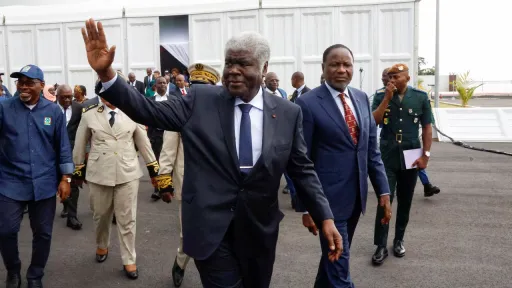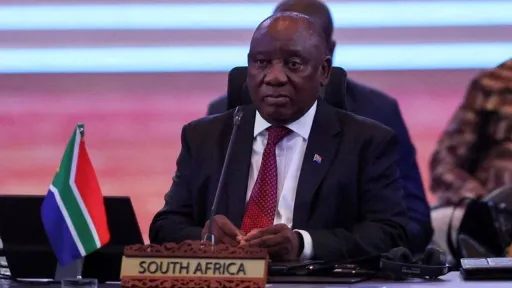
Central African leaders ordered urgent fiscal and monetary measures to steady the region’s weakening economies on Thursday, including repatriation of state assets and export revenues held abroad.
The six leaders agreed to immediately implement the return of export revenues, with priority on companies in the extractive sector, according to a communique issued after an extraordinary summit in Brazzaville.
They directed governments to pursue and finalise negotiations with firms to repatriate funds designated for the environmental restoration of areas affected by oil production, a step officials described as crucial for restoring liquidity in the regional banking system.
The summit, held under the aegis of the Central African Economic and Monetary Community, was convened as the region grapples with sluggish growth, weakening commodity prices, climate shocks and tightening global financial conditions.





Environmental restoration funds
Last year, the Bank of Central African States (BEAC), the central bank for Cameroon, Chad, the Central African Republic, Gabon, Congo, and Equatorial Guinea, required international oil companies to place environmental restoration funds in BEAC‑managed accounts under an International Monetary Fund-backed reform, in a move that drew industry pushback.
The funds, estimated at between 3 trillion and 6 trillion CFA francs ($5 billion to $10 billion) and currently held in foreign banks, were allocated by international oil companies operating in the region for future environmental clean-up once production ends.