For di las 10 years, social protection for Africa — "a set of policies and programmes aimed at preventing or protecting all people against poverty, vulnerability, and social exclusion throughout their life cycles" — don dey grow wella for both coverage and depth.
Government dem don dey adopt different kain social protection programmes like cash transfers, health insurance, public works and others, and dis growth dey target make poverty reduce for vulnerable people dem like pikin dem, women and persons with disabilities (UNDP, 2019).
Even with the strong effort wey dey, other gbege dem like climate change, small fiscal space, political insecurity and weak institutions still dey threaten progress, and dem dey weaken the effectiveness of social protection programmes wey good-intentioned.
Today, Africa still dey behind for social protection coverage compared to other parts of the world, wey dey leave people for insecure position and vulnerable to socioeconomic shocks. For true, only 19.1% of di continent population get at least one social protection benefit (ILO, 2024).
Because of dis background, dis article talk say na time to pursue mechanisms wey dey root for di rich culture of Ubuntu: community-based social protection.
Bottom-up approaches to social protection
Community-based social protection organisations (CBSPOs) na local community initiatives or institutions wey consist of informal networks wey dey provide socioeconomic support to vulnerable groups.
Dem normally get about 10–40 members and don turn lifeline for many communities, especially for places wey formal social protection systems weak or no dey work well.
If you put CBSPOs and state-led social protection side by side, both dey play similar role to provide safety nets and stabilise income; but dem dey differ for scope and nature of service, governance and accountability.
Late 2025, African Union Commission and United Nations Development Programme launch From the Ground Up: Community-based Social Protection in Africa, a regional report wey examine CBSPOs for five countries, 24 communities and 2,400 households.
Di findings give important lessons wey fit help shape how social protection go take dey move for di continent.
What do CBSPOs offer communities?
Members for CBSPOs dey get social, financial and sometimes emotional empowerment, plus di agency wey dem need to overcome cultural challenges. For youth, CBSPOs fit be future safety net. As di report yan, youth dey join most times when dem become household head or when dem marry.
For women, CBSPOs dey provide empowerment, and dem dey help speed social safety nets for health, finance and livelihood. True true, CBSPO membership plenty pass for women — between 58–64% — wey show the cultural gender roles wey dey communities (Patino, Mpagalile and Kapingidza, 2025).
Who participates in CBSPOs?
Di AUC-UNDP report do mixed methods research for di countries wey dem survey: Ghana, Liberia–Sierra Leone borderlands, Rwanda and Zimbabwe. For qualitative side, dem use key informant interviews, focus group discussions and life histories.
Transcripts show say di main reason wey people join CBSPOs na to get access to money wey dey cost small or no interest. Because bank loans get high interest and dem dey ask for collateral, community people dey run go CBSPOs like ROSCAs, ASCAs and VSLAs wey dey give cheap loans and easy access.
Where do CBSPOs fall short?

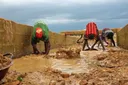


CBSPOs get problem for scale, financial sustainability and most importantly, inclusivity. Di inclusivity wahala dey happen because some organisations dey require entry fee to join, and dat one still show di financial barrier wey dey local communities.
Also, although CBSPOs sabi absorb idiosyncratic shocks like sickness or job loss, dem no strong for covariate shocks like climate disaster and big economic crisis. To think about wetin dem strong for and wetin dem weak for, e give chance for one important move: make CBSPOs and state come together — dis convergence go dey discussed for di last part of dis article.
How are CBSPOs governed?
CBSPOs na well-governed institutions wey get structured leadership. For Liberia and Sierra Leone, 67% of surveyed CBSPOs dey elect their leaders directly, and for Sierra Leone women dey hold 63% of leadership positions.
For formal registration matter, most CBSPOs dey see engagement with local authorities as administrative formality rather than proper partnership. So registration rates different one country to another — from full registration for Rwanda to only 45% for Liberia.
What does this call for? Transparency and trust
If we wan position CBSPOs as complements to formal social protection systems — and as drivers of resilience and poverty reduction — transparency and trust na necessary things. Di policy recommendations wey follow fit show road to achieve these goals.
To expand social protection coverage for Africa, we need intentional policy innovation. Innovation wey go put the strengths of CBSPOs for centre, address vulnerability, build resilience and at last reduce poverty for di continent. How e go be?
First, CBSPOs suppose dey recognised as critical institutions wey fit support local needs. Through dialogue, policymakers need to integrate these institutions into formal social protection programmes for all levels.
Second, di social protection governance models wey dey now need make dem participatory. Dat one go require flexibility, targeted measures wey base on the "voices of the recipients", and e go build culturally appropriate, inclusive and sustainable systems.
Public–private partnership go become important to push African Union’s Agenda 2063 and Sustainable Development Goals, especially target 1.3.
Rwanda for example show special case where traditional community mechanisms don enter state-led systems, driven by homegrown solutions like Ubudehe and Umuganda. Today, these systems still dey central to community development and to keep cultural values and history.
Di story of CBSPOs never finish and e must continue to dey documented, with deeper and more systematic data collection to fully understand and support their role for Africa’s social protection systems. But for now, dis report dey call for three things: state–community collaboration; policy innovation; and integration of community mechanisms for national policies and programmes.
Di writer, Esther Mpagalile, na independent development economist wey work dey focus on inclusive growth analysis, poverty diagnostics, social protection, and macroeconomic policy research.
Disclaimer: Di views wey di author express no necessarily reflect di opinions, viewpoints and editorial policies of TRT Afrika.