 Sona Muzikarova
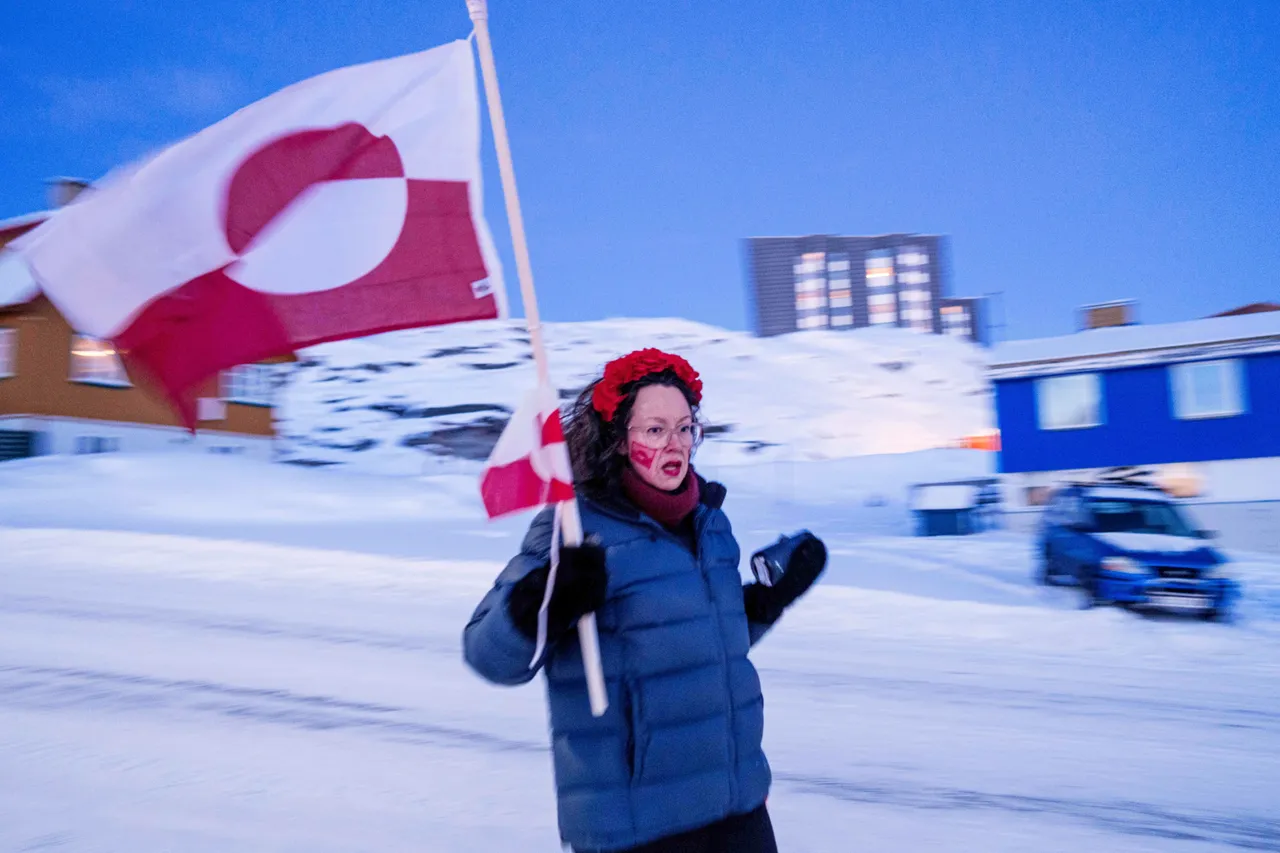
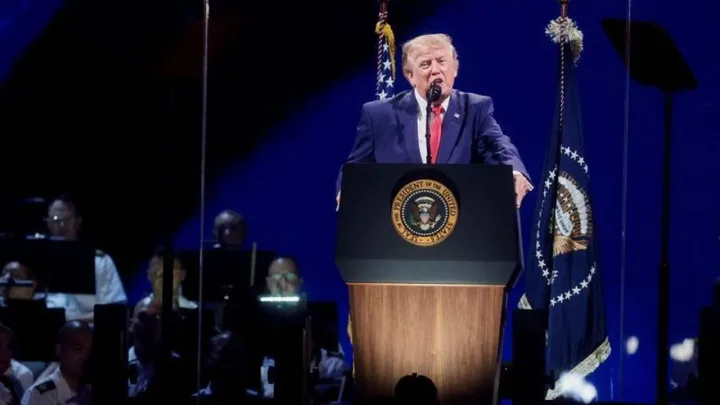
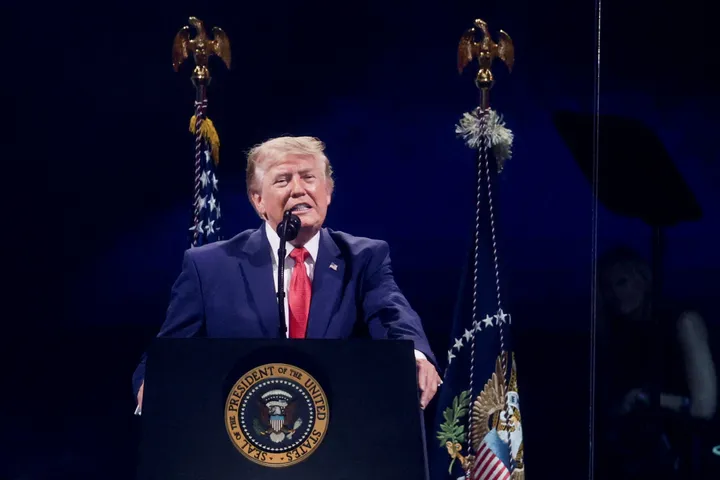
This year’s World Economic Forum in Davos is unfolding against an unusually fraught backdrop for the transatlantic relationship. President Donald Trump arrives as the instigator of a political-economic confrontation with Europe over Greenland that threatens to fracture what remains of the post-war alliance model.
What began as Washington’s renewed push to acquire Greenland – a move long resisted by Copenhagen and treated in Europe as an eccentric footnote – has now escalated into a coercive tariff threat on European imports: 10 percent beginning in early February, rising to 25 percent by summer, unless negotiations over the island’s future move in Washington’s favor.
Europe has reacted with unity, warning of a “dangerous downward spiral,” and presenting a coordinated front among EU and NATO members, including Denmark, Germany, France, the UK, Norway, Finland, the Netherlands, and Sweden. Moreover, arguing that Washington’s approach cannot remain without consequence, Brussels is considering a retaliatory trade response on US goods amounting to as much as $109 billion.
But the broader anxiety in European capitals is that this episode marks not simply a tariff spat but a structural break with the United States. Under the Trump administration’s calculus, European sovereignty, Arctic security, and NATO cohesion are no longer treated as strategic goods in their own right but as bargaining chips in a transactional approach where economic pressure replaces negotiation and territorial acquisition substitutes for alliance management.
Even at home, Donald Trump’s renewed interest in taking control of Greenland has become a subject of bipartisan criticism, with some Congressional Republicans warning against pursuing the issue, which could spell the end of NATO.
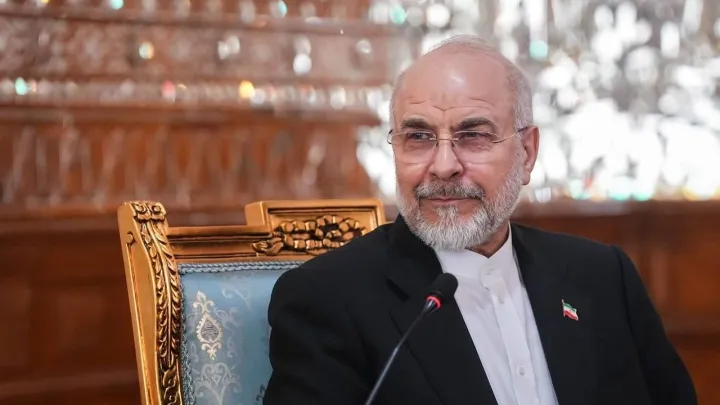
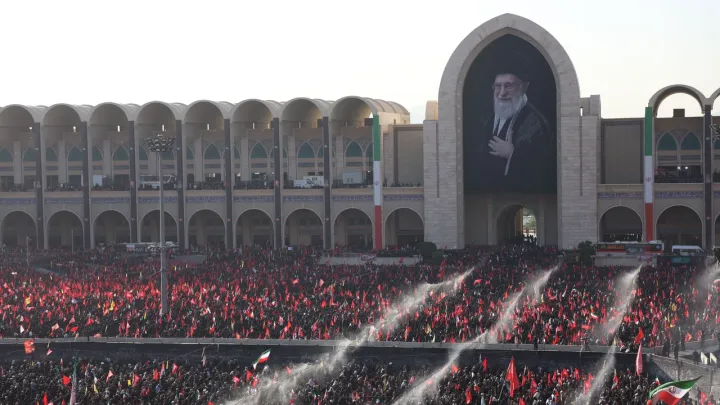


Quick to frame it as proof of an exhausted Western alliance, the Kremlin has wasted no time weaponising the dispute. Every public fracture between Washington and Europe strengthens Russia’s hand, pushing narratives of Western decay and decline, American unreliability, and urging third countries to hedge accordingly.
Europe’s strategic exposure
The real risk for Europe, however, is less Russian opportunism itself, but that Europe remains structurally unready for a world in which Washington bargains like a unilateral transactional power rather than behaves like the anchor and system-stabilizer of a collective project.
The bigger question is what this portends for the future of the transatlantic relationship. For three decades, Europeans have relied on a geopolitical asymmetry: US security guarantees in exchange for European alignment on trade and regulatory matters. That bargain dates back to the early 1990s, when the US underwrote Europe’s post-Cold War security, NATO expanded eastward, and the WTO era locked in US-led trade rules – giving the arrangement both duration and credibility.
The post-war transatlantic settlement rested on the belief that mutual restraint and institutionalised cooperation served both sides better than raw bargaining. Greenland has exposed how brittle that arrangement becomes when Washington treats NATO solidarity and tariff policy as substitutable levers.
If Europe yields, it signals that the continent cannot defend the sovereignty of an allied territory without Washington’s blessing. If it retaliates, it risks entering a mutually destructive tariff war at a time when it grapples with declining competitiveness, fragile supply chains, and an unsettled security perimeter.
Moreover, such tariff war promises to weaken both sides at a time when China has been quietly expanding its Arctic and North Atlantic presence –building research sites in Svalbard and northern Iceland, testing access to ports along emerging Arctic sea lanes, and courting Greenlandic airports and mining projects, often under the veil of scientific research – without incurring comparable political cost.
Davos will not resolve this crisis, but it will test whether the protagonists grasp the stakes.
For the United States, demanding territorial concessions from allies through tariff blackmail undermines the very architecture of alliances that has historically magnified US power. For Europe, rediscovering strategic agency is no longer a rhetorical luxury but an economic and security imperative.
Trump’s Greenland-for-tariff strategy may mark the end of an era for the transatlantic alliance, but the task now is not to lament its passing but to design the framework that succeeds it.
Europe must decide whether it intends to be a rule-maker, a rule-taker, or a bargaining object in the emerging Arctic and geoeconomic order. The United States, meanwhile, must clarify whether it still values allies as strategic multipliers rather than transactional prizes.
History suggests that great powers rarely prosper by coercing their friends and that alliances rot long before they collapse. Davos, in this respect, is not the stage for grand bargains, but for recognising that the future of the West depends less on speeches about shared values than on the discipline of shared restraint.