Tinasoa Rakotoarimanana's leprosy diagnosis two years ago wasn't so much about absorbing the shock of knowing that the disease could strike her as it was about reconciling to what lay ahead.
The young woman, then 24, had assumed the red patches on her face were harmless. It wasn't until she felt numbness in her fingers that Tinasoa decided to see a doctor.
A visit to the local hospital in Miarinarivo township of central Madagascar brought her worst fears to life. Tests confirmed she had leprosy, a scourge she thought belonged to a world far removed from hers.
"I cried. It felt like my life had stopped," Tinasoa tells TRT Afrika of that dreadful moment when she heard the clinical interpretation of her seemingly innocuous symptoms. "I was immediately afraid that no one would want to be with me any longer."
True to her fears, as word spread in her community that she had leprosy, Tinasoa felt the full force of the stigma attached to the disease. Friends stopped visiting. Invitations dried up.
"Some people in my village suspected leprosy ran in the family. Others called it a curse. Truth is, nobody in my family had the disease before," she says.
Across town, 32-year-old Solo Andrianirina dealt with similar tribulations on learning that he had contracted leprosy.
"I was so scared. To me, leprosy was a disease from a past I had no connection with. Now that I was being told it had invaded my body, I immediately thought of exclusion and shame," he tells TRT Afrika.
Ancient disease, modern cure
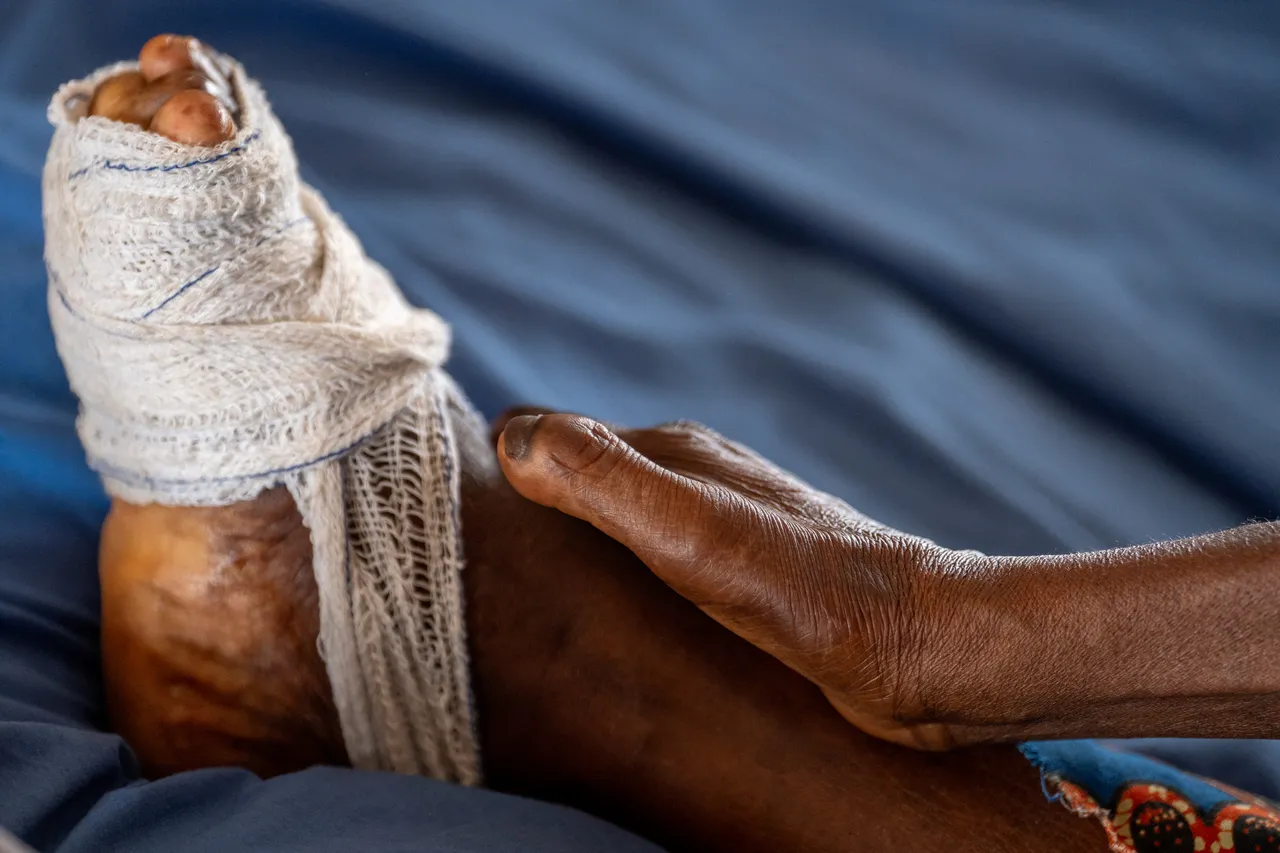
Leprosy is a bacterial infection affecting the skin and nerves. Left untreated, it causes irreversible nerve damage, disability and disfigurement.
While being among the oldest recorded diseases in human history, leprosy is medically no longer a global public health challenge because of advanced treatment. In most cases, the disease is fully curable through multi-drug therapy, provided free across much of the world.
The efficacy of modern medicine hasn't eliminated the fear and social perceptions associated with leprosy, though.
Stigma still drives patients into isolation, costs them jobs and education, and sometimes prompts rejection by their families.
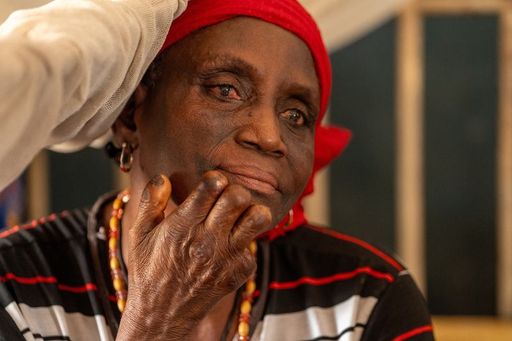
"My family has been supportive but some friends have started to distance themselves," says Solo. "Some still think it's contagious and they will get leprosy just by touching me. It hurts, although I understand that this is mainly due to lack of information."
Tinasoa experienced worse than Solo did. "My mother stayed by my side but other people avoided me. I was told not to come to gatherings. I felt humiliated. Today, I know it's a curable disease, and I want others to understand that too," she says.
Silence and social burden
In countries where leprosy still has a presence, the social burden of the disease discourages early diagnosis, allowing symptoms to worsen and transmission to continue.








The World Health Organisation (WHO), which marks World Leprosy Day every last Sunday of January to address the stigma and highlight medical progress, believes that although the disease is easily treatable, fear and prejudice remain stubborn obstacles.
This year's theme – "Leprosy is curable, the real challenge is stigma" – shows why leprosy is a significant public health concern despite decades of progress.
Based on WHO data, 21,043 new cases were detected in Africa in 2023, representing 11.5% of the global burden.
Most countries have achieved formal elimination of leprosy as a public health problem, with the benchmark being prevalence below one case per 10,000 people.
In Africa, there are still pockets of transmission, particularly in the Democratic Republic of Congo, Ethiopia, Madagascar, Mozambique, Nigeria and Tanzania.
Although prevalence and detection rates are declining, ongoing transmission, late diagnosis and associated disabilities are reported across these countries. In 2023, more than 3,000 new cases on the continent involved Grade 2 disability, indicating delayed detection.
Misconceptions fuel bias
Paradoxically, leprosy's rarity adds to the stigma associated with the disease.
Many patients would rather hide their symptoms than face discrimination bred by ignorance about the disease being far less contagious than commonly believed.
Leprosy spreads through airborne bacteria in tiny droplets when infected people cough or sneeze, not through touch. Handshakes, hugs, shared meals and sitting beside someone don't cause leprosy. Over 95% of people have natural immunity.
WHO has run campaigns showing that leprosy is much less contagious than tuberculosis, COVID-19 or measles. Once treatment begins, patients quickly stop being a transmission risk. However, fear of stigma prevents many from seeking help, leading to long-term complications and continued transmission.
Tinasoa and Solo have both recovered. Now, they want others to know what they didn't when leprosy interrupted their lives.