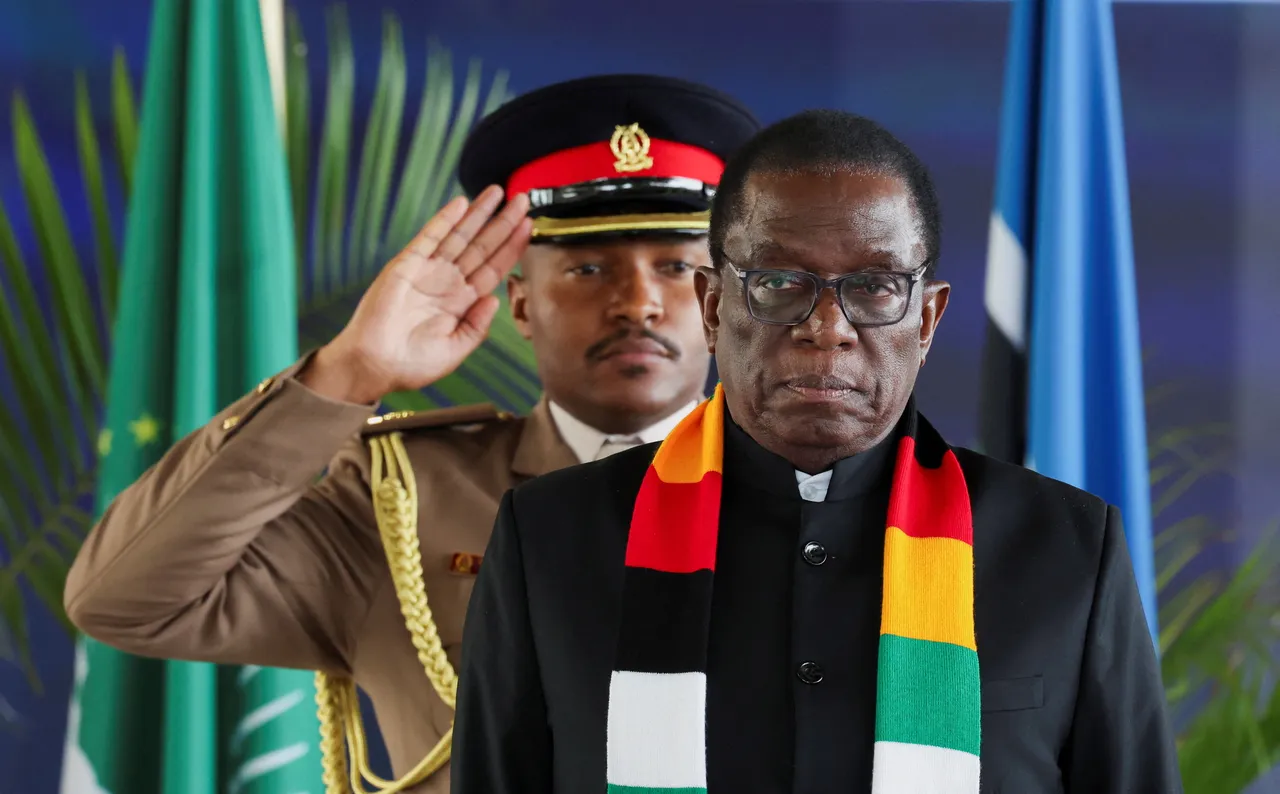
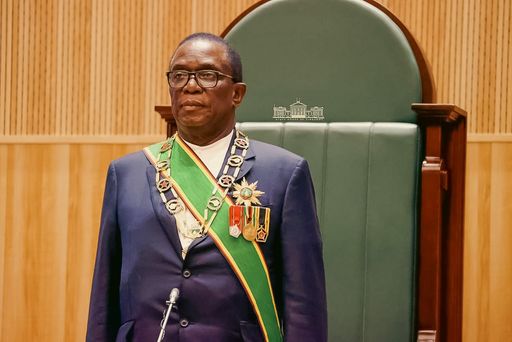
A heated political debate continues in Zimbabwe over the proposed extension of President Emmerson Mnangagwa’s stay in office until at least 2030, and the revocation of citizens' right to elect their president directly.
A group of war veterans is challenging the reforms at the Constitutional Court.
According to local media, the veterans, represented by prominent constitutional law expert Lovemore Madhuku, want the court to declare last week's approval of the proposals by the Cabinet, headed by President Mnangagwa, as "unlawful" and that he should be barred from signing the draft law.
They say, being a beneficiary, President Mnangagwa’s participation in the process amounts to a conflict of interest, which is against the constitution.
Madhuku, who is also the leader of Zimbabwe's pan-Africanist NCA party, had described the proposed constitutional amendments as "totally unacceptable" because they do not show "respect for the people."
However, government officials and supporters of President Mnangagwa argue that the changes, which have been gazetted, are needed for "political stability" and "continuity" of development policies.
It's not yet clear when the lawsuit by the veterans will be heard at the Constitutional Court.






The war veterans were instrumental in Zimbabwe's struggle for independence from colonial Britain in 1980, and have since remained influential in politics and governance, mainly supporting the ruling ZANU-PF party.
Some analysts say opposition, by some of them, to tenure extension for President Mnangagwa, who is also a veteran, is a sign of growing wrangling within the party.
The draft law, which seeks to extend the presidential term from five to seven years, is expected to be tabled before parliament, in which the ruling party has the required two-thirds majority to pass it.
President Mnangagwa came to power after being elevated from the post of vice-president upon the removal of then-President Robert Mugabe by the army in 2017.
According to the current constitution, Mnangagwa must step down at the end of his second term in 2028.
However, if the proposed changes are eventually approved by parliament, he could remain in power until at least 2030, and ordinary Zimbabweans will no longer be eligible to vote in presidential elections.
Instead, members of parliament will elect the president on their behalf.