 Pauline Odhiambo
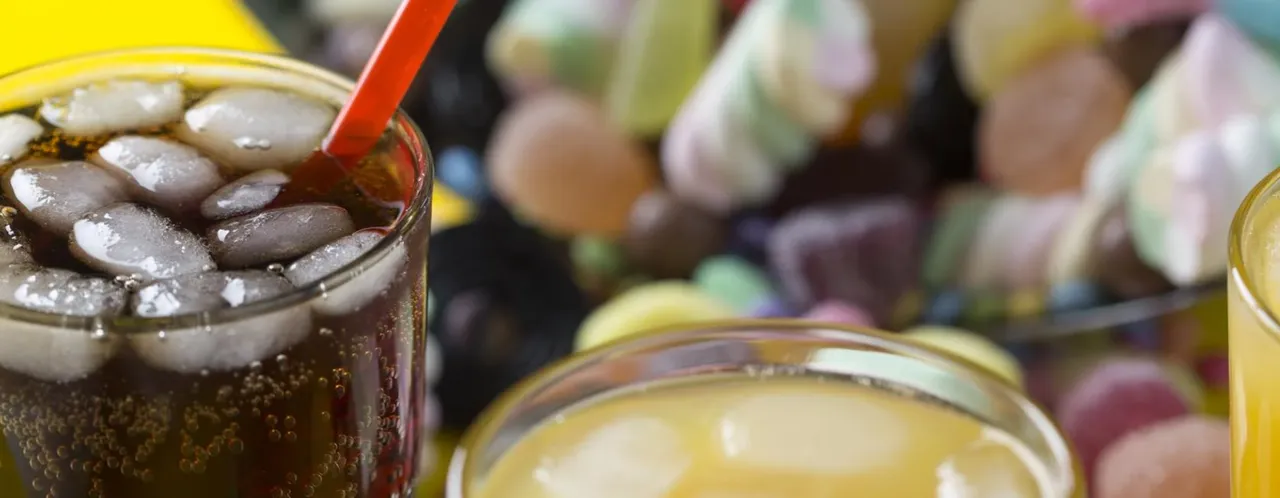
Samuel Omondi, a 34-year-old taxi driver in Nairobi, used to down two or three bottles of sugary soda during each gruelling 12-hour shift navigating the city's chaotic traffic.
"It was my fuel," he says, taking a breather at a busy taxi stand in the Kenyan capital. "Cheap, sweet, and always gave me a quick burst of energy to keep going."
Last year, Samuel was diagnosed with Type 2 diabetes. The father of three now spends a significant portion of his earnings on medication and weekly check-ups.
"I thought I was just quenching my thirst. I didn't know I was drinking myself into sickness," he tells TRT Afrika, holding a bottle of water. "Had that soda been more expensive, maybe I would have chosen water long ago."
Thousands of miles away, in Zambia's Lusaka, 19-year-old college student Chileshe Banda lost his older brother last year in a road accident triggered by drunk driving. His sibling, an electrician making a promising start to his career, was walking home.
"Alcohol is everywhere around here, and is so cheap that it's like buying air," Chileshe tells TRT Afrika. "It stole my brother."
The driver had been drinking cheap, high-strength beer, readily available at a price lower than bottled water in some outlets.
Taxation trap
For Chileshe's family, the economic and emotional void is permanent. The tragedy also exemplifies why the World Health Organisation (WHO) links alcohol-related injury and violence directly to the availability of cheap spirits.
Samuel and Chileshe's stories also reflect a continent-wide health crisis driven by consistently low taxes on sugary drinks and alcohol. Multiple WHO studies have shown that as these products become cheaper relative to income, the burden of preventable diseases and injuries on healthcare systems increases proportionately.
"Health taxes are one of the strongest tools we have for promoting health and preventing disease," says WHO's director-general Dr Tedros Adhanom Ghebreyesus.
WHO has been urging governments to "significantly strengthen" these levies, warning that weak tax systems allow harmful products to remain affordable while societies bear the long-term costs of their easy availability.
While many African nations have introduced such taxes, these are often nominal and unlikely to change behaviour. WHO reports that the median tax on a common sugary soda accounts for a mere 2% of its price and often doesn't cover a swathe of high-sugar products like fruit juices and sweetened milk-based drinks.





Patchwork policy
On alcohol, the global excise tax median is so low as to be insignificant compared to many other products. In many countries, these taxes are not even adjusted for inflation, making beer, spirits and wine steadily more affordable and within reach of a consumer base that continues to grow.
"Affordable alcohol drives violence, injuries and also disease," warns Dr Etienne Krug, director of WHO's department of health determinants. "While industry profits, public health bears the consequences of large-scale consumption of these products."
Amid the proliferation and administrative encouragement of such products, several African nations have implemented taxes on sugary drinks. South Africa leads with its "Health Promotion Levy", introduced in 2018. Morocco, Tunisia, Seychelles, Mauritius, Namibia, Botswana and Eswatini have followed suit.
Kenya imposes excise duty on sugary drinks, while Uganda, Zambia and Nigeria have also implemented taxes. Nigeria's taxation policy is the subject of an ongoing debate focused on implementation and the rate of levies.

Burdened elsewhere
Based on WHO estimates, tax rates across several of these countries are still too low to meaningfully reduce consumption or generate substantial revenue for overstretched health services.
Policy experts acknowledge that "sin" taxes must be reasonably high, broad enough to cover all sugary products, and regularly adjusted for inflation and income growth to prevent these unhealthy items from becoming more affordable over time.
WHO's new "3 by 35" initiative aims to increase the real prices of tobacco, alcohol and sugary drinks by 2035. For African governments, the writing is on the wall. The short-term appeal of cheap drinks is being paid for in hospital wards and funeral homes by citizens like Samuel and families like Chileshe's.
Back in Nairobi, Samuel now volunteers at his local clinic as a campaigner against sugary drinks. "We must make the healthy choice the easier one to make," he says.
For Chileshe in Lusaka, the call is for justice through prevention. "Tax alcohol higher. Make it harder to get drunk on a whim. If it saves one life, it's worth it," he tells TRT Afrika.