By Fatma Yıldız,
Ethiopia is one of the leading countries in East Africa due to its history, population of 128 million, strategic location, status as the headquarters of the African Union, and membership in BRICS.
Similarly, Türkiye is one of the key actors in the Middle East and Europe due to its history, population of 87 million, strategic location, membership in NATO and the G20, and its role as a mediator in crises.
From this geopolitical perspective, the centuries-old relations between Türkiye and Ethiopia, both countries with thousands of years of state tradition, continue today on the basis of equal partnership and mutual respect, ranging from economic and cultural relations to cooperation in regional crises.
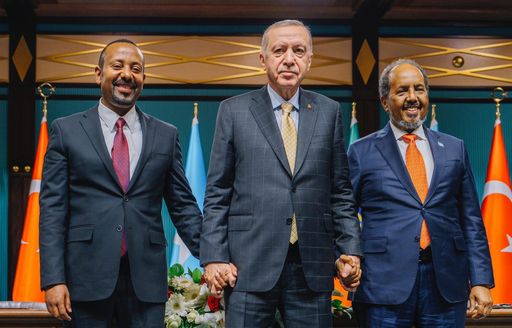
In particular, diplomatic contacts were established between Türkiye -Ethiopia in 1896 through mutual correspondence and gift-giving between Ethiopian Emperor Menelik II and Ottoman Sultan Abdulhamid II, and as a result, at the request of Menelik II, Sultan Abdulhamid II ensured that Ethiopian Christians in Jerusalem, who were suffering from Coptic oppression, could worship freely.
Subsequently, the opening of the Turkish Consulate in Harar in 1912 gave impetus to relations between the two countries. Bilateral relations were institutionalised with the opening of the Republic of Türkiye's first embassy in sub-Saharan Africa in Addis Ababa in 1926.
These diplomatic relations were further strengthened by the friendship and trade agreement signed between the two countries following the appointment of Nizameddin Ayasli as Turkish ambassador to Addis Ababa.
Furthermore, the correspondence between Mustafa Kemal Atatürk and Haile Selassie demonstrates that Türkiye, which has always fought against colonialism, did not remain indifferent to the war between Ethiopia and Italy and highlights the deep ties between the two countries.
The most obvious example of this is the fact that three Turkish soldiers (Tarık Bey, Vehip Pasha, and Faruk Bey) fought on the side of the Ethiopian army during the Italian-Ethiopian war and played a significant role in the Ethiopians' success in repelling the Italian soldiers with the tactics they provided.
Although relations between Türkiye and Ethiopia have varied over time depending on the political approaches and foreign policies of the respective governments, Türkiye's declaration of 2005 as the Year of Africa, followed by then Prime Minister Recep Tayyip Erdoğan's visit to Ethiopia, Türkiye's acquisition of observer status in the African Union, and the decision taken at the 10th African Union Summit in Addis Ababa in January 2008, which declared Türkiye one of the African Union's strategic partners, paved the way for closer ties between the two countries.
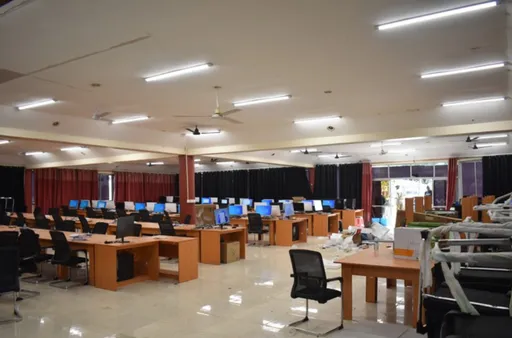
During this period, economic, commercial and cultural relations have developed alongside diplomatic relations. For example, as a result of the $2.5 billion investment made by more than 200 Turkish companies operating in the industrial, textile and construction sectors in Ethiopia, 20,000 Ethiopians have been provided with employment.
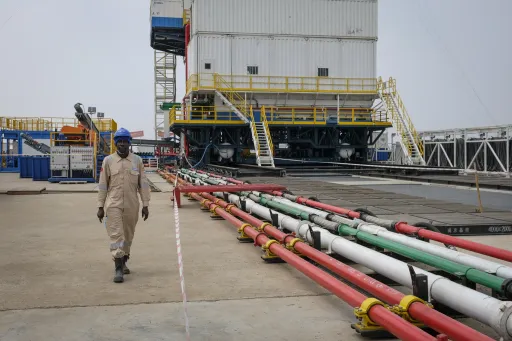
Turkish contracting companies have undertaken 15 projects worth $2.6 billion in Ethiopia in areas such as railways, transportation, factories, tourist facilities and energy transmission lines. Türkiye is therefore the second largest investor in Ethiopia.
In terms of commercial relations, although the trade volume between the two countries has shown an upward trend, the target for the new period is to reach 1 billion dollars. In addition, the activities of Turkish institutions such as Turkish Cooperation and Coordination Agency (TIKA) and the Turkish Maarif Foundation, which play an important role in maintaining cultural relations, contribute to the relations between the two countries in the context of cultural diplomacy.
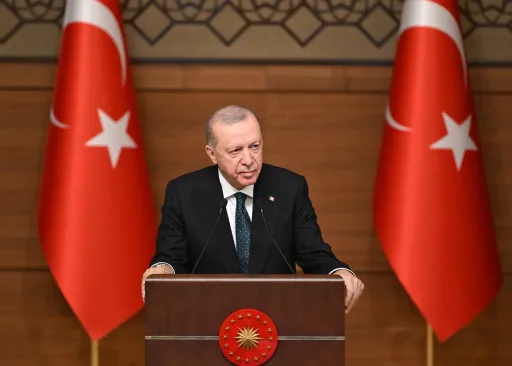
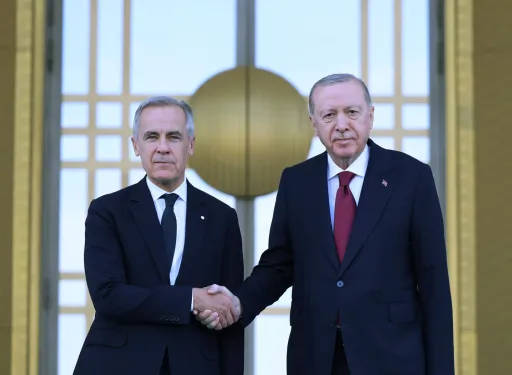
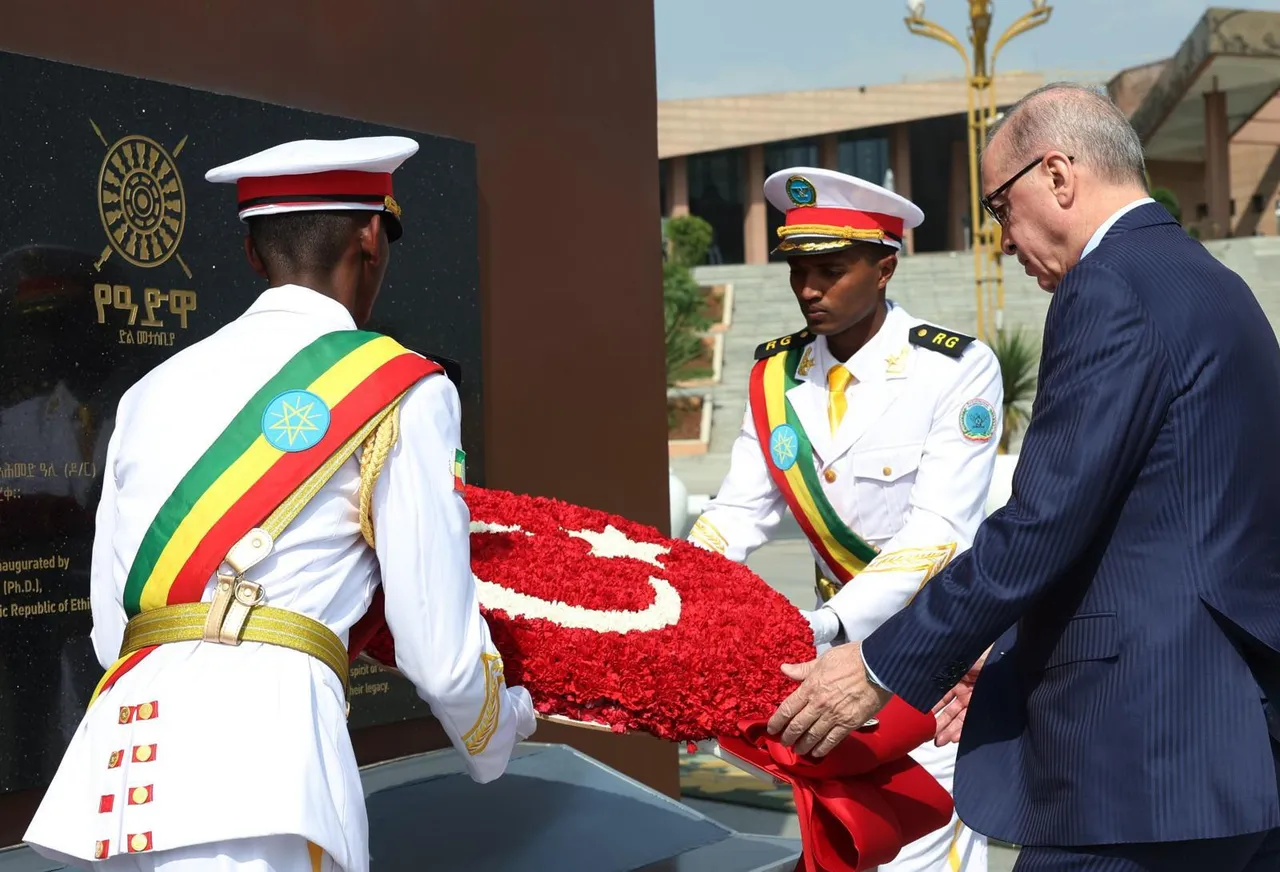
Ultimately, the visit of the President of the Republic of Türkiye, Recep Tayyip Erdoğan, to Ethiopia on 17 February 2026, marking the 100th anniversary of the opening of the first Turkish embassy in Sub-Saharan Africa, spanning the period from 1926 to 2026, holds historical significance.
Within the scope of this visit, the ‘9th Türkiye-Ethiopia Economic, Trade and Technical Cooperation Joint Economic Commission Minutes’ signed between the two countries stipulated the development of cooperation in the fields of energy, economy and trade.
Cooperation in Regional Crises
Ethiopia, being a landlocked country, needs access to the sea due to its increasing production and foreign trade. As Ethiopia conducts 90% of its foreign trade through Djibouti, it suffers significant economic losses and is turning to the ports of Assab in Eritrea and Berbera in Somaliland to reduce its dependence on Djibouti.



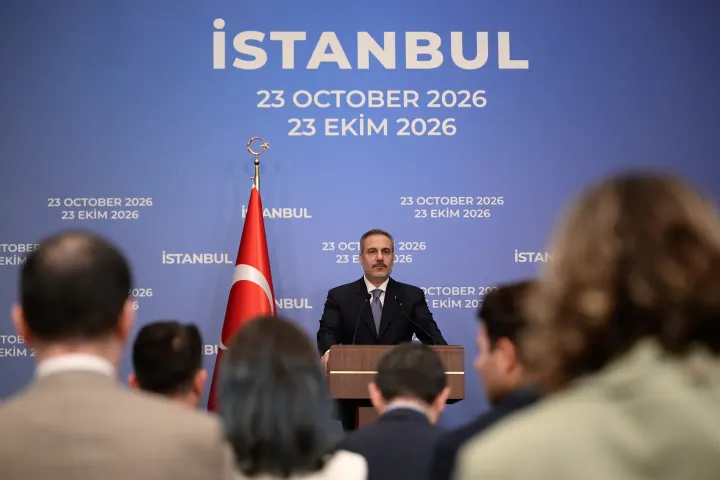



However, historical tensions with Eritrea and the disputed status of Somaliland are complicating matters for Ethiopia. Despite all this, on 1 January 2024, Ethiopia signed a memorandum of understanding (MOU) with Somaliland granting the Ethiopian navy access to 20 kilometres of Somaliland's coastline in exchange for Ethiopia recognising Somaliland's independence.
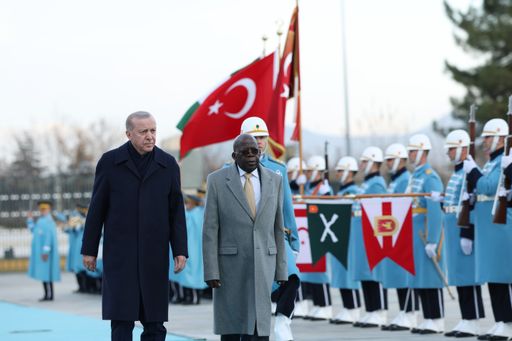
Following this, Somalia viewed this memorandum of understanding as a threat to its unitary structure and held discussions with Egypt and Eritrea, signing a security agreement with Egypt.
This regional tension in the Red Sea area ended with Türkiye, which has no colonial past and maintains friendly relations with both Somalia and Ethiopia, initiating a mediation process between these countries and ultimately culminating in the "Ethiopia -Somalia Ankara Declaration" signed on 12 December 2024.
This mediation effort by Türkiye between Somalia and Ethiopia was a crucial and historic initiative aimed at reducing Ethiopia's dependence on Djibouti and facilitating its access to the sea, while addressing Somalia's concerns regarding its territorial integrity.
However, on the other hand, the increasing development of the Port of Berbera by the United Arab Emirates (UAE) and its growing strategic importance (especially in light of the conflicts in the Bab el-Mandeb Strait) have drawn the attention of Israel, an actor seeking dominance over trade routes and exerting influence in the region.
Israel recognised Somaliland on 26 December 2025, ignoring Somalia's unitary structure. Israel's recognition of Somaliland could create a domino effect, leading to Greece, the UAE and the UK also to recognise Somaliland.
In addition to Israel's move, which is already causing tension in the region, the potential recognition by other countries could trigger proxy wars in an already fragile region and plunge the region into a deep and lasting period of instability.
Aware of the gravity of the situation and with the aim of producing ‘African Solutions to Africa's Problems,’ Ethiopia and Türkiye, following President Recep Tayyip Erdoğan's visit to Ethiopia, have reached an agreement to cooperate for the economic development, stability, peace and tranquillity that the Horn Africa deserves because the peoples of the region have endured the war and terror fatigue for years.
This cooperation in regional crises sets an example for countries seeking diplomatic balance.
However, it is a fact that Türkiye, which has a great deal of experience in stability and peace, can continue its policy in the Horn of Africa by evaluating the projects of actors hoping to benefit from instability in the region in the long term, supporting peace against potential conflicts, repeatedly reassessing the details of its balancing policy between the parties and bearing in mind that the redistribution of power is always possible on this slippery ground.
Considering all these points, a few years are a very short period in the history of regions and countries. Hasty and reactive decisions not only undermine diplomatic efforts but also fuel new and greater problems in the long term.
As in the past, Türkiye today in regional crises (such as the Jerusalem Christians, the Ethiopia-Italy War, and the recognition of Somaliland), acts in cooperation with regional countries by operating a calm and diplomatic process rather than engaging in conflict.
The cooperation between these two countries, which have thousands of years of state tradition, focusing on the region's prosperity and peace in an age of uncertainty and the formation of a new world order, can be evaluated as a geostrategic approach rather than a neo-colonial perspective.
The author, Fatma Yıldız, is a lecturer at Hacettepe University, International Relations Department
Disclaimer: The views expressed by the author do not necessarily reflect the opinions, viewpoints and editorial policies of TRT Afrika.
The opening of Türkiye's first embassy in sub-Saharan Africa in Addis Ababa in 1926 institutionalised bilateral relations between the two countries.