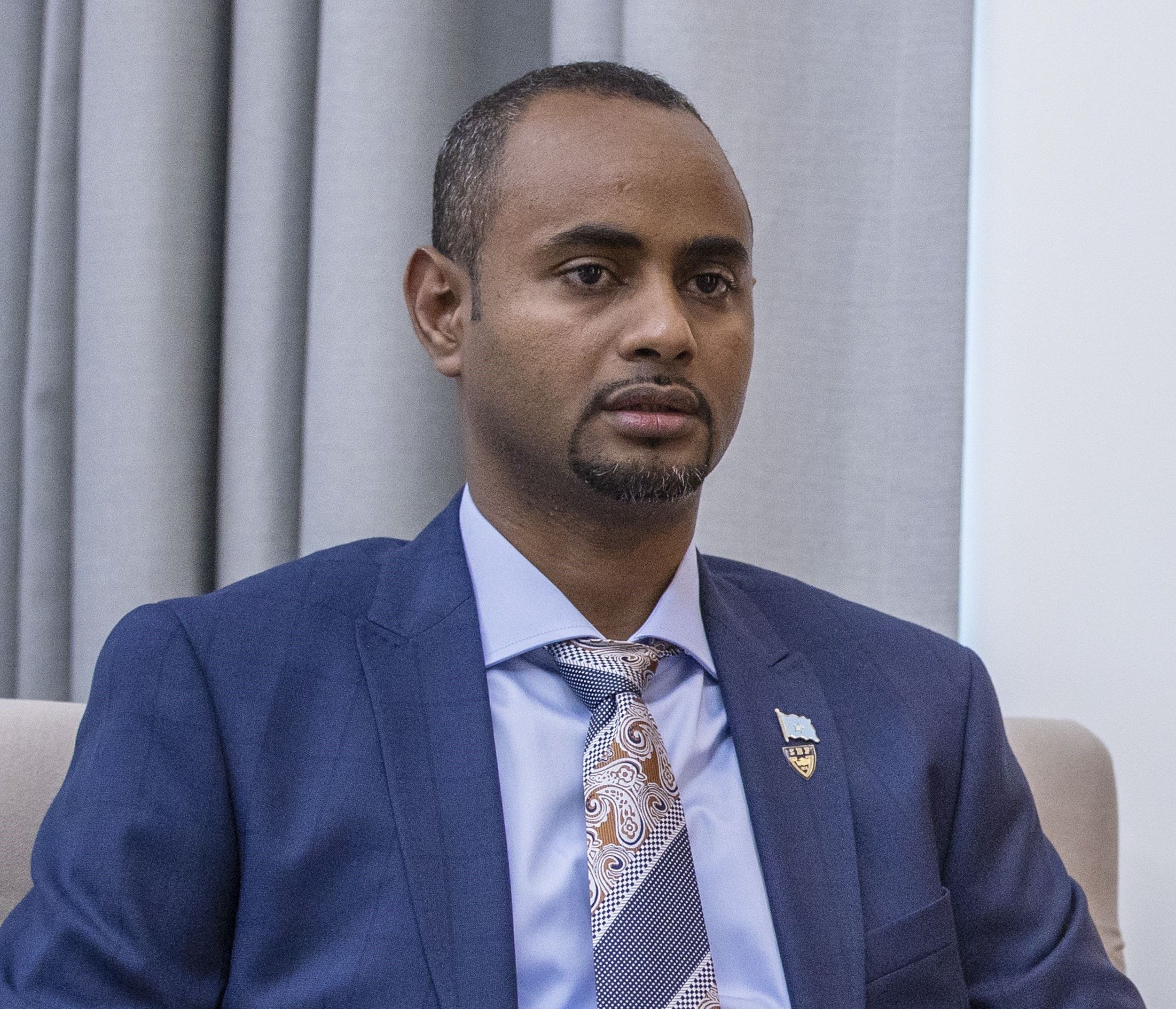
 Abdulkadir Mohamed Nur
Although the local government election process in Somalia began on 25 December, this development represents far more than a simple election date. It marks a historic turning point that has made it possible for the public to go directly to the polls after many decades.
Before the 1969 military coup, Somalia was regarded as one of Africa’s most democratic and pluralistic political systems.
Between 1960 and 1969, the country held free multiparty elections, parliament functioned effectively, and political power changed hands peacefully. The renewed debate today over elections based on the principle of one person, one vote is in fact a continuation of the democratic legacy that was left unfinished during that early republican period.
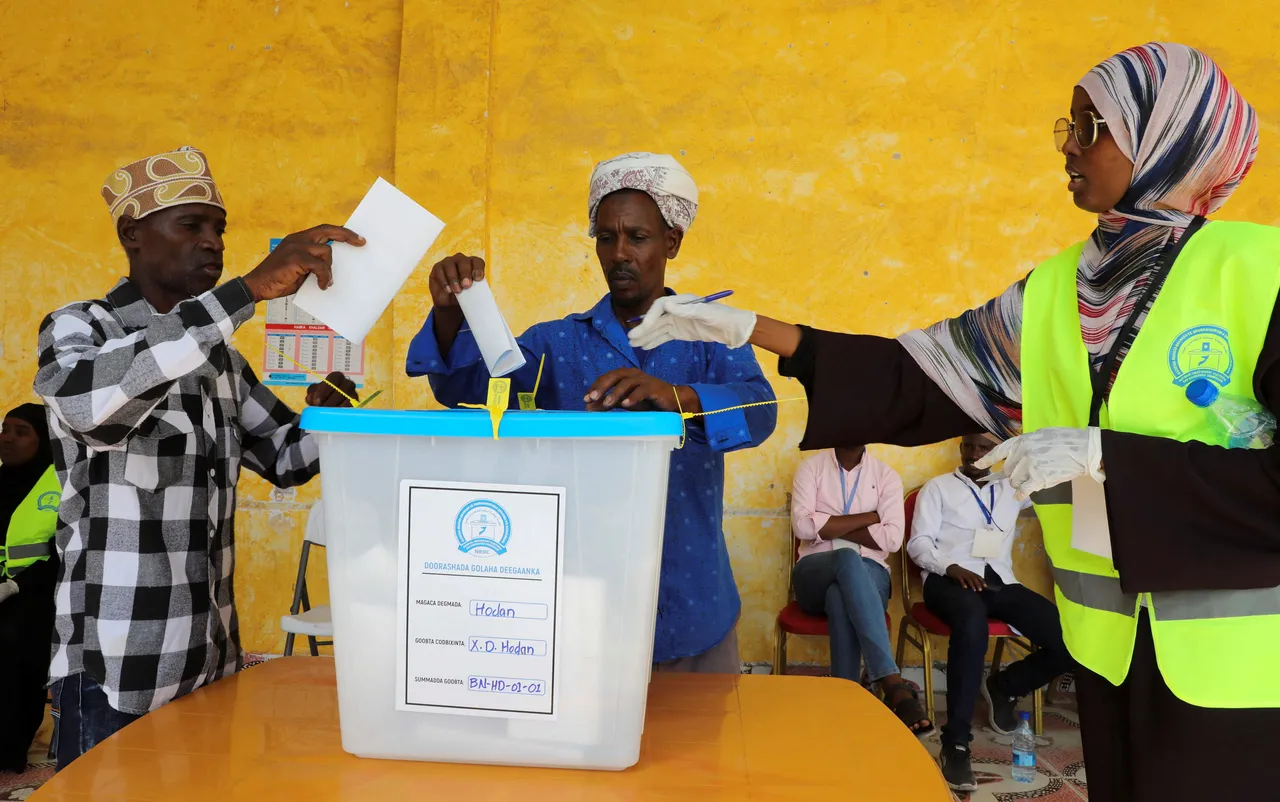
The Banadir region, which includes the capital Mogadishu, went to the polls on 25 December for the first time in 56 years through direct popular vote. This election stands out not as an ordinary local contest, but as the first concrete step aimed at strengthening democratic representation in Somalia.
This step clearly and powerfully demonstrates Somalia’s commitment to an electoral system based on the principle of one person, one vote. In this local election, more than 1,600 candidates from 20 political parties competed to represent the will of the people across 16 local administrative units in the Banadir region.
The vast majority of the candidates were young people. This picture clearly shows that Somalia’s future is now being shaped by a new and younger generation.
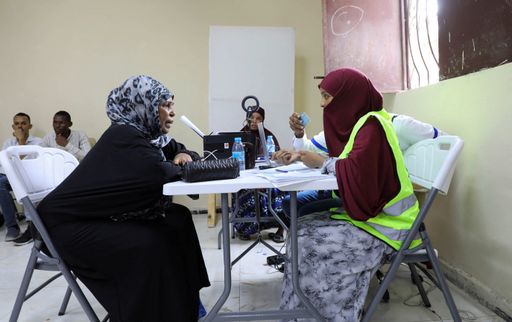
On election day, around 5,000 trained polling staff served at voting centres, while 10,000 security personnel were deployed simultaneously to ensure that the process proceeded peacefully, safely and in an orderly manner.
Both those working at polling stations and those casting their votes were predominantly young Somalis. This scene not only reflects the strong enthusiasm of young Somalis for their country’s future but also shows that belief in the future of Somalia is largely being carried by the younger generation.
How the process was constructed
For a full 56 years, Somalis have been unable to freely choose those who govern them. Following the coup carried out by Siad Barre in 1969, multiparty political life came to an end.
Barre suspended the constitution and ruled Somalia for many years through one man rule. During this period, the public was deprived of any meaningful say, and the Somali people were pushed out of political decision-making processes.
This period, which lasted until 1991, did not bring democracy to country. On the contrary, the Somali state collapsed entirely, and the country came to be known globally as a centre of clan warfare, warlords, famine and poverty. Each city fell under the control of different clans, groups and warlords.
In the 2000s, as the international community began to take initiative on Somalia, transitional administrations were established. Chief among these mechanisms was the clan-based representation model known as the 4.5 system, which is still in use today. This model was designed as a temporary compromise to bring together a fragmented Somalia.
By 2012, the establishment of the Federal Republic of Somalia and the adoption of a provisional constitution marked a significant turning point. In the same year, President Hassan Sheikh Mohamud became one of the first leaders to openly articulate the goal of institutionalising the state and transitioning to direct elections.
However, security threats, particularly the presence of the terrorist organisation Al Shabaab, prevented this goal from being realised in the short term. Elections based on the one person, one vote principle that were planned for 2016 and 2020 were postponed due to technical shortcomings and political disagreements.
Throughout these years, politics in Somalia was shaped more among elites than by the public. The electoral system was manipulated by different countries, and the ballot box became not a right, but a promise repeatedly deferred.
Despite this, electoral capacity was gradually built step by step. Election commissions were established, political parties were registered, and pilot projects were launched at the local level.
After being reelected president in 2022, Hassan Sheikh Mohamud, despite all these challenges, initiated a system based on direct popular vote in local elections and demonstrated a firm determination to extend this model to presidential elections as well. For this reason, the local elections held in the Banadir region are not a process limited only to local administrations.





They are seen as the first concrete step in Somalia’s effort to end more than half a century of democratic silence. They are also regarded as the day on which a long-awaited aspiration of the people finally became reality.
Building the future
The fundamental condition for Somalia to build a stable and sustainable future is to ensure the direct participation of its people in political processes.
Elections based on the one person, one vote principle represent not only the right to go to the ballot box, but also an essential mechanism that enables the public to have a say over its own future. This participation constitutes a critical threshold in Somalia’s political and social transformation.
Election processes shaped by the direct will of the people help to rebuild the bond of trust between the state and society.
Transparent and inclusive elections strengthen the legitimacy of those in power while also laying the groundwork for the formation of social consent in political decision making. For a society that has long been excluded from decision making mechanisms, this process stands out as the most effective way to reconnect with the state.
This legitimacy also allows security policies to rest on a much firmer social foundation. In the fight against terrorism, steps taken by the state become more effective and enduring when combined with public support. At the same time, popular participation in politics strengthens the state’s capacity in areas such as the economy, foreign policy and governance.
At this point, it becomes a national duty for all political actors, whether in government or opposition, as well as intellectual circles, to openly and decisively support steps toward democratisation.
Harbinger of new era
Only a political will that draws its strength from the people can carry Somalia into the future. For this reason, the era of closed-door bargaining and deciding the country’s future in tents must come to an end.
Until just three years ago, Somalia was a country where bombs exploded almost every other day, and terrorism and fear shaped daily life. Today, despite all obstacles and threats, particularly from Al Shabab terrorism, the security gains that have been achieved have enabled the Somali people to take to the streets and experience the joy of casting a direct vote for the first time in 56 years.
This emerging picture delivers a very clear message to Somali politicians. The public now wants to make its voice, views and will be heard without any intermediaries. The courage shown by Somalis who went to the polls is one of the strongest steps capable of changing Somalia’s destiny.
At the same time, the security forces that ensured election security and the Election Commission that made it possible for the elections to take place in a festive atmosphere without any serious problems deserve great praise.
At this point, the understanding of politics conducted despite the people is giving way to a search for governance based on the will of the people.
Consequently, the process that began in the Banadir region should not be seen as limited to local elections alone, but as the harbinger of a new era in which the relationship between the state and society is being redefined.
The author, Abdulkadir Mohamed Nur, is Somalia's Minister of Ports and had previously served as Minister of Justice and Minister of Defence. He graduated from Ankara University's Faculty of Political Sciences.
Disclaimer: The views expressed by the author do not necessarily reflect the opinions, viewpoints and editorial policies of TRT Afrika.